Help protect Africa's 

South Africa’s Natural Heritage Needs Support

South Africa’s Natural Heritage Needs Support

South Africa’s Natural Heritage Needs Support

Eleanor Momberg


Threatened African carnivores protected through conservation efforts in South Africa

South Africa’s natural heritage requires a commitment from all to ensure that it is protected for future generations.

Without a healthy environment, neither people, plants or animals would survive.  This includes the protection and conservation of valuable water resources, the air we breathe and the soil required to sustain life.

Key to South Africa’s natural heritage are species under threat of extinction.  African Wild Dogs, Cheetahs and Lions are part of the living heritage that makes Africa unique.

“These species are deeply connected to our identity and to the landscapes for which Africa is internationally recognised. They are also important components of healthy, functioning ecosystems. Protecting them is therefore about much more than saving individual animals – it is about protecting the natural systems and wildlife that future generations should inherit,” says the EWT’s Carnivore Conservation Unit manager, Derek van der Merwe.

The EWT’s work to protect threatened wildlife has carnivore conservation as an important part of our history.

“Through the Carnivore Conservation Unit (CCU), we have spent decades combining science, field conservation, technology and partnerships to understand populations, reduce threats and create safer, connected landscapes for carnivores.

“This long-term investment is now delivering tangible results. As populations of African Wild Dogs and Cheetahs have increased in South Africa, our work has evolved from protecting remaining populations to helping restore species to areas from which they have been lost,” says van der Merwe.

The fenced reserve cheetah population has increased by an average of 8.8% annually since 2012. Last year it increased 19%. There are some great stats in the conservation matters article that Kelsey made in April! But it is important to note that increases has only really occurred in South Africa’s managed fenced reserves (metapopulation) outside of that it has been declining.

The contribution of each of the three species to South Africa’s heritage is evidenced through the presence of lions, Cheetah and African Wild Dog not only folklore and storytelling, or in symbols, but of all three species in art, tourism and in the country’s conservation identity.

While lions are symbols of strength, leadership, courage, and wilderness across Africa,   Cheetahs are Africa’s most iconic speed specialists representing open landscapes and ecological processes that have defined African savannas for thousands of years. African Wild Dogs, as one of Africa’s most unique and Endangered carnivores,  are know for their extraordinary social structure, cooperation, and family bonds making them a distinctive part of Africa’s natural identity.

Lions, Cheetahs and African Wild Dogs belong to our landscapes, our stories, our sense of identity, and our shared responsibility to future generations. Protecting them is about ensuring that the next generation inherits a wild Africa, not just memories of one.

These are species that require support through individual, group and national actions, including awareness, direct conservation and resource allocation.

In Memorium: Gus Mills leaves an indelible mark on carnivore conservation

In Memorium: Gus Mills leaves an indelible mark on carnivore conservation

In Memorium

Gus Mills leaves an indelible mark on carnivore conservation

By Eleanor Momberg


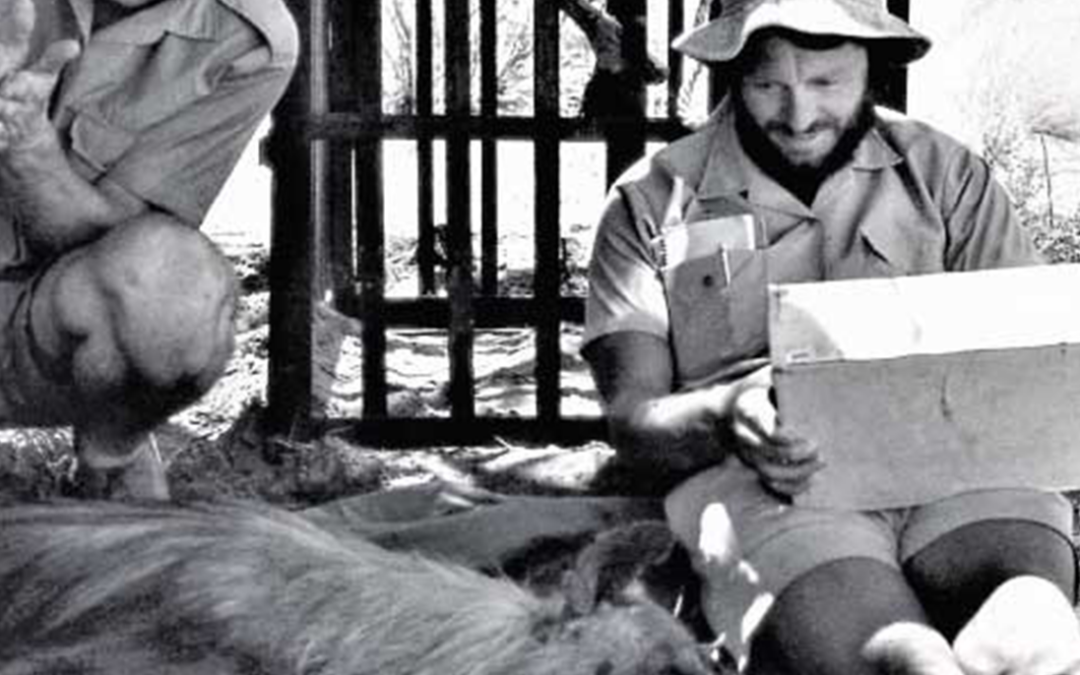
Dr Gus Mills conducting carnivore research in the Kalahari.

In July 2026, the Endangered Wildlife Trust joined conservationists and researchers worldwide in mourning the death of Dr Gus Mills, a renowned Brown Hyaena, Cheetah and African Wild Dog specialist, and author.

Gus left an indelible mark on carnivore conservation in South Africa, and through a variety of international bodies on which he shared his expertise about nature’ s apex predators, including canids and big cats.  This included serving as a senior member of the IUCN Carnivore Specialist Groups. He was a former chair of the Hyaena Specialist Group and member of the steering committees of the Cat Specialist Group and the Canid Specialist Group.  Gus was the founder of the Endangered Wildlife Trust’s Carnivore Conservation Group.

Gus’ s first introduction to the EWT was when he undertook research in the Kalahari into Brown Hyaena in 1973, the year the EWT was established by South African conservationist and artist, Clive Walker, James Clarke and Neville Anderson. A year later, the EWT funded some equipment for the project run by the then MSc student at the University of Pretoria. This was the EWT’ s third sponsorship.

Describing Gus as a “wonderful human being”, Clive Walker, founder of the EWT, said: “He was second researcher the EWT invested in back in the 1970’ s and one of the finest who devoted his life to conservation”.

Gus continued his research about Brown Hyaenas and Spotted Hyaenas for 15 years, publishing Kalahari Hyenas: the comparative behavioural ecology of two species in 1990.

In 1996, he was asked by the then Director of the EWT, Dr John Ledger, to form the EWT’ s Carnivore Conservation Group. This was achieved through a partnership with SANParks which allowed him to work full-time on carnivores while establishing and running the EWT’ s Carnivore Conservation Group and working for SANParks. Funding for this unique arrangement was provided by the Lewis Foundation.

The EWT’ s Carnivore Conservation Unit is today recognised as a leader in lion population research, the metapopulation management of Cheetah and African Wild Dog throughout southern Africa, and addressing threats to carnivores through human-wildlife conflict and the illegal wildlife trade.

During his time at SANParks, Gus researched Cheetah, African Wild Dog, Honey Badgers, Brown Hyena, and lions. He introduced the concept of metapopulation management of wild dogs and with the assistance of the late Pat Fletcher, pulled together numerous agencies and landowners to achieve genetic management of scattered populations through the Wild Dog Advisory Group.

Derek van der Merwe, manager of the EWT’ s Carnivore Conservation Unit, said: “It is remarkable to reflect on how much has changed since those early days, when Gus would fly over the Kruger National Park in a small EWT aircraft equipped with telemetry equipment, tracking African wild dogs from the air. Those pioneering efforts helped establish many of the approaches that underpin carnivore conservation today”.

Cole du Plessis, project manager in the Carnivore Conservation Unit said: “Long before GPS collars and big datasets, there were people like Gus patiently building our understanding of Africa’s carnivores, one observation at a time.  He was also ahead of his time. He encouraged visitors to Kruger National Park to photograph wild dogs and cheetahs because every individual has a unique coat pattern. Those photographs became one of South Africa’s earliest citizen science programmes, and remarkably, that project still contributes to carnivore conservation today”.

Cole believes what made Gus so remarkable was that he fundamentally changed the way we understand Africa’s carnivores. “He wasn’t simply observing animals – he was curious. He spent decades asking and answering the questions that have shaped how we understand Africa’s carnivores today”.

“His work on lions, cheetahs, hyaenas and African wild dogs laid much of the scientific foundation that modern carnivore conservation is built upon. But perhaps just as importantly, Gus had an incredible ability to connect science with the natural world. He showed that good science and a deep appreciation for nature could go hand in hand.”  said Cole who believes his greatest impact was how Gus did his science.

 “I actually think that may be his greatest legacy. Scientific papers are incredibly important, but they only go so far. Gus invested in people. He mentored students, encouraged young researchers, and inspired countless conservationists through his generosity, humility and willingness to share his knowledge. If you look across Africa today, many of the people leading carnivore conservation were either directly mentored by Gus or influenced by his research. His legacy isn’t just in the knowledge he created—it’s in the people who continue that work every single day”  said Cole.

Gus retired from SANParks in 2006 after 40 years of service.  Based in the Kalahari, with his wife, Margie, Gus then embarked on a study of Cheetah that saw the publication of A Natural History Guide to the Arid Kalahari in 2014,  four years after the release of what remains one of his most memorable books Hyena Nights and Kalahari Days.  This book continues to raise awareness about this often misunderstood species.

“Gus was an excellent public speaker and presenter. His talks to EWT members at the Johannesburg Country Club were always ‘full-house’ occasions. His charming personality drew people towards him and his passion for carnivore conservation was admired by many EWT supporters. Some of the latter, like Stuart Bromfield and Norman Stein became generous donors to EWT carnivore projects,”  said John Ledger.

Derek described Gus as a quiet, yet immensely influential presence in conservation.

“There are few people whose authenticity, humility, and dedication matched his. His writings, particularly Cry of the Kalahari, captured not only the science of conservation, but also the wonder and privilege of sharing the landscape with Africa’s wildlife. His contributions to the conservation of lions, Cheetahs, African Wild Dogs, and hyaenas extended far beyond the EWT, influencing generations of researchers and practitioners around the world,” he said.

“For those of us who now have the privilege of carrying this work forward, we do so standing on the shoulders of pioneers like Gus. His legacy lives on not only through his extraordinary scientific contributions, but through the countless people he inspired and the conservation programmes he helped set in motion,”  said Derek.

Yolan Friedmann, CEO of the EWT, described the immense influence Gus had on her career.

“I had the privilege of getting into the field with Gus as an early-stage career conservationist, and to watch with wonder how he tracked Wild Dogs; I remember with fondness bumping around in the back of bakkies as we tore after these extraordinary carnivores in pursuit of their pray. Gus instilled in me a love for Wild Dogs and I worked with Gus to develop the first project to develop a sustainable Wild Dog population outside of the Kruger National Park through range expansion into KwaZulu-Natal, in the early 2000s. I loved our debates about the philosophical lines between animal welfare and conservation and the role of the individual versus the population. Gus taught me so much and made a lasting impression on my conservation career. His legend will live on in the lives he touched wherever he went,” she said.

Gus will be remembered as was a dedicated conservationist who believed that the youth and local communities had an important role to play in the future of all species. His mark on conservation will always be remembered. His wife Margie worked alongside Gus in the field in the Kalahari, enduring hardships in remote areas and contributing to their joint books in a remarkable partnership that endured for more than half a century. We share the grief of losing of this special man with Margie, their biologist son Michael, daughter Debbie and the grandchildren.

Threat Reduction Rangers spring into action to save snared lion

Threat Reduction Rangers spring into action to save snared lion

In the field:

Threat Reduction Rangers spring into action to save snared lion


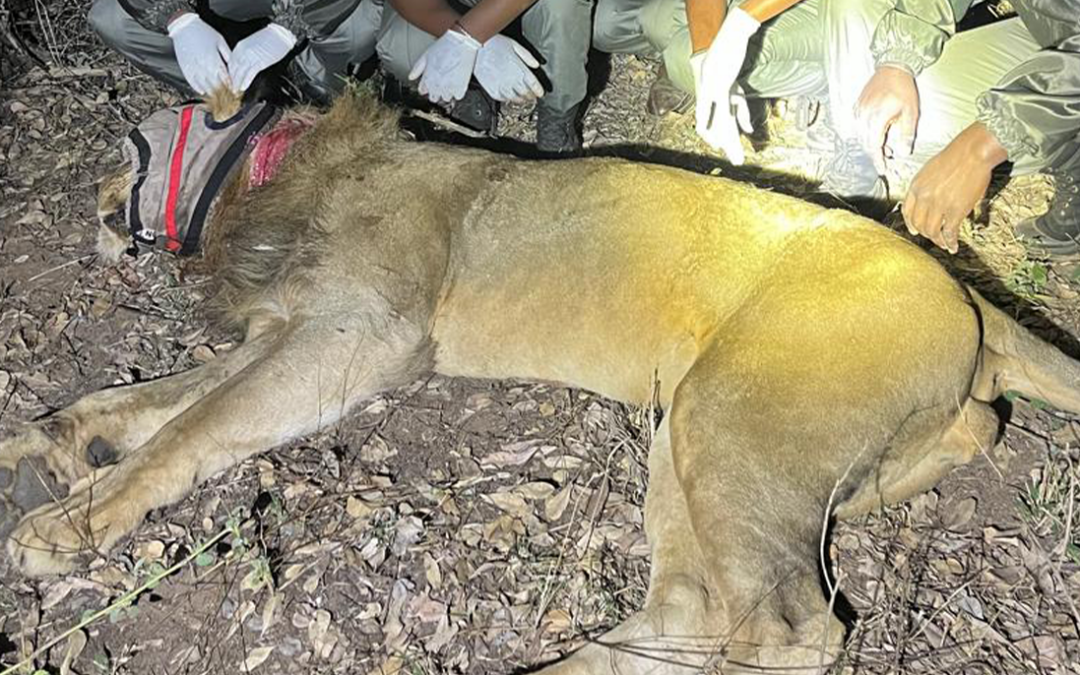
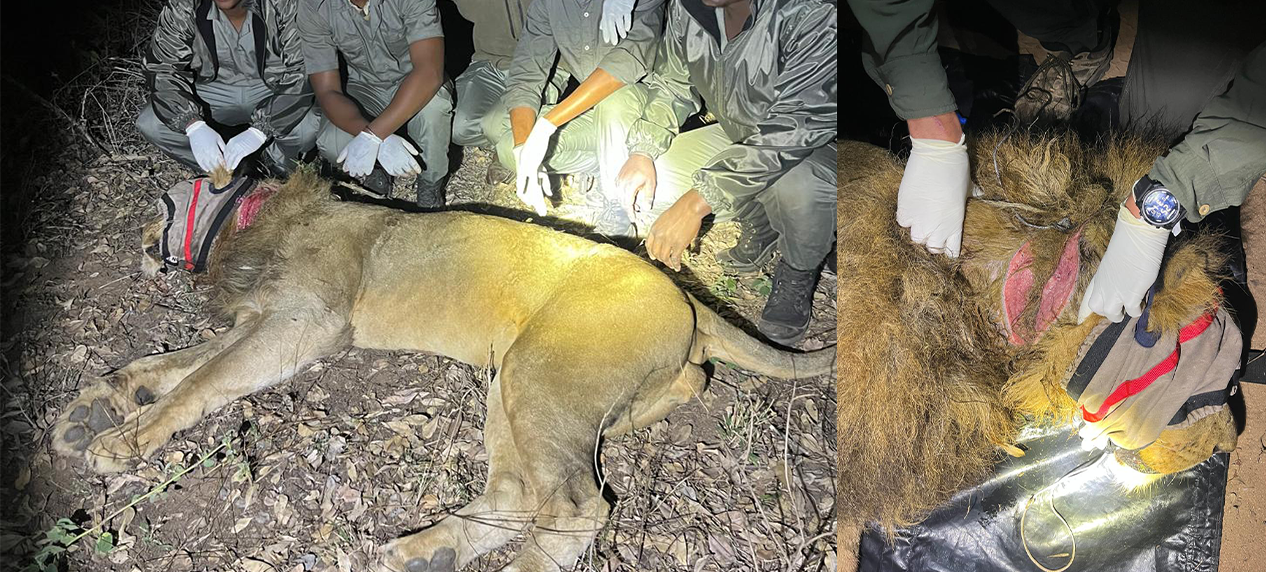
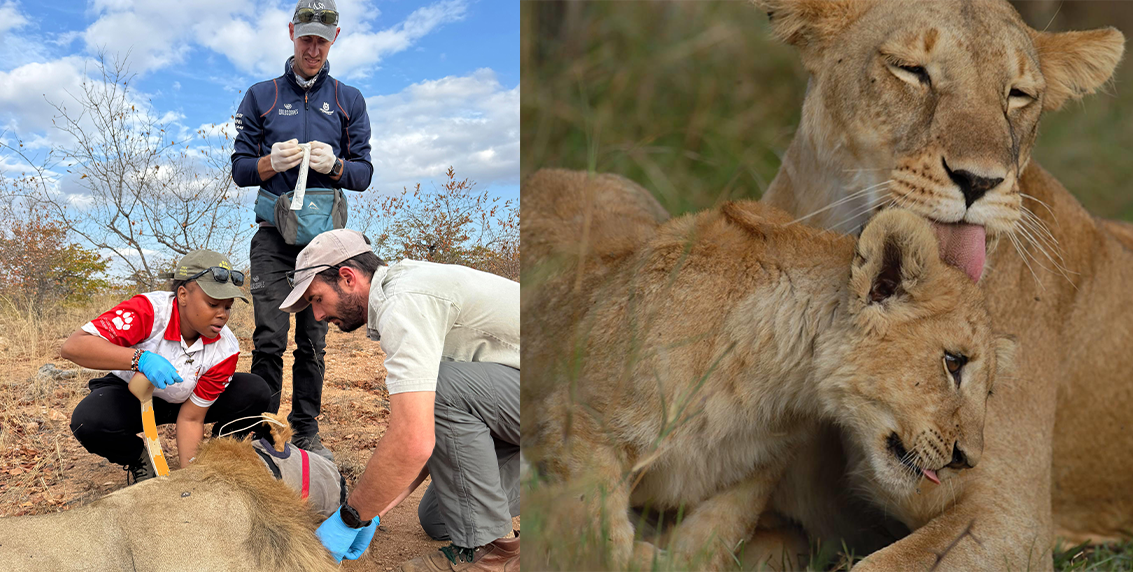
EWT Threat Reduction Rangers assisting a veterinarian during the rescue of a snared male lion.

The EWT’ s new Threat Reduction Team in July spent a Friday night assisting with the rescue and treatment of a male lion caught in a snare.

The lion, from one of neighbouring reserves, had been missing for about a week before reserve staff managed to locate him and noticed the severe snare around his neck. The Threat Reduction Team sprung into action and managed to locate the lion.  Once darted by a vet, the rescue became a team effort with everyone helping to move the lion to a safe area, hold drips, clean and treat the wound, and assist throughout the procedure.

The snare was extremely serious, and the intervention came just in time. Thanks to the team’s efforts, this magnificent lion will be a whole lot more comfortable and should make a full recovery.

“What makes this even more meaningful is that, after spending the last few days learning about wildlife crime and the devastating impacts of snaring, our new Threat Reduction Team witnessed firsthand why their work matters. Experiences like these leave a lasting impression and reinforce the importance of what we do every day to protect South Africa’s wildlife.

“I couldn’t be prouder of this team. They were professional, observant, eager to help, and genuinely engaged throughout the operation. This is exactly the kind of commitment and teamwork that will make a real difference in tackling wildlife crime,”  said Derek van der Merwe, manager of the EWT’ s Carnivore Conservation Unit.

Bringing Cheetah Back to the Greater Luangwa Ecosystem: A Landmark Step for Conservation in Africa

Bringing Cheetah Back to the Greater Luangwa Ecosystem: A Landmark Step for Conservation in Africa

Bringing Cheetah Back to the Greater Luangwa Ecosystem: A Landmark Step for Conservation in Africa

By Olivia Sievert, manager of the EWT’ s Cheetah Conservation Project


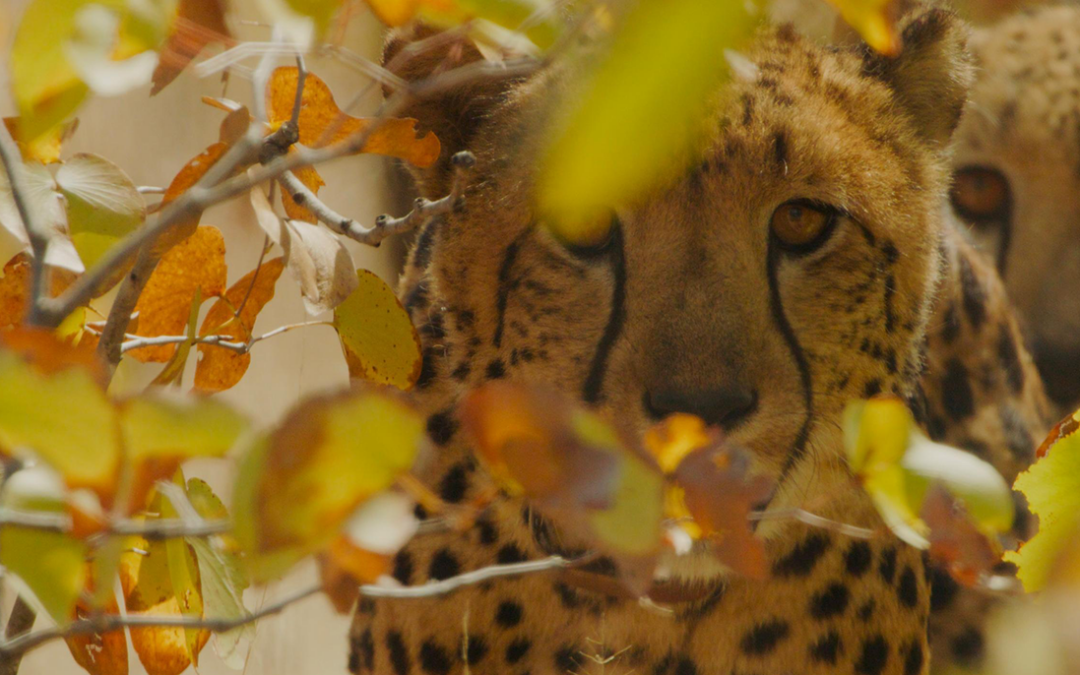
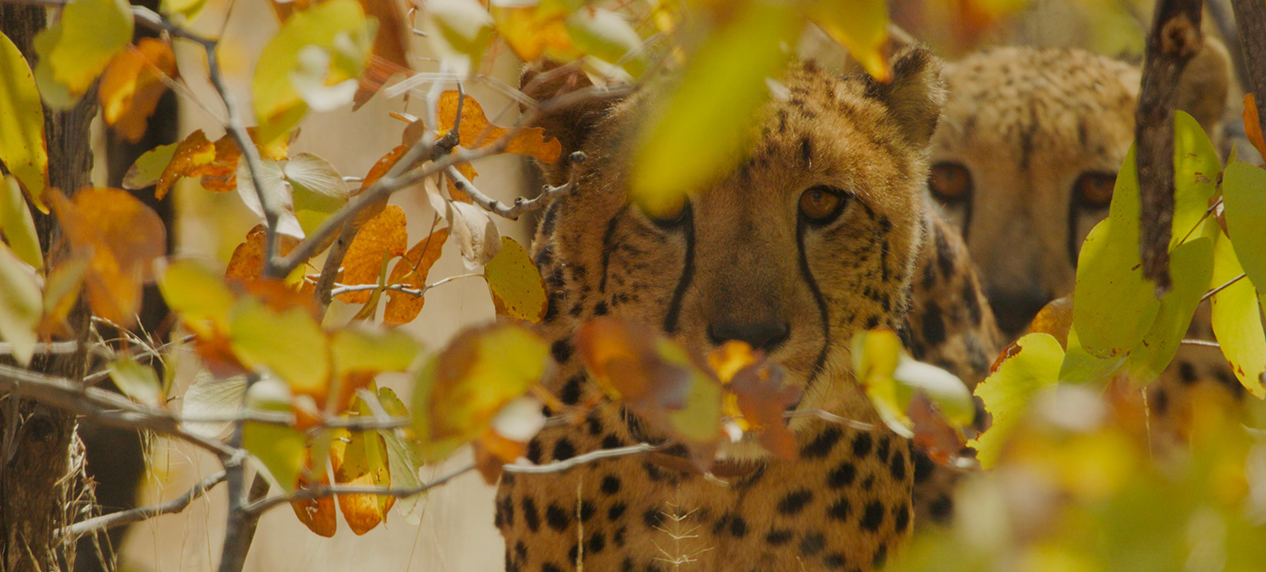
One of the first cheetahs released into Zambia's Greater Luangwa Ecosystem.

Before dawn breaks over Mbombela, a small team gathers in the winter cold. There is a quiet sense of anticipation as final preparations get underway. There is little conversation as everyone focuses on the task ahead. Veterinarians prepare darting equipment, tracking collars undergo final tests, and government officials organise permits and documentation.

For the people gathered here, this is more than a translocation. It is the culmination of over a decade of planning and collaboration aimed at returning cheetah to Zambia’s Greater Luangwa Ecosystem. Today, six Cheetah will begin a journey to restore a species to a landscape from which it has been absent for decades.

The reintroduction represents one of the most ambitious large carnivore restoration projects currently underway in Africa. Led by Zambia’s Department of National Parks and Wildlife (DNPW) and funded by Howard G. Buffett Foundation, the initiative brings together an exceptional coalition of partners, including the African Range Wide Cheetah Conservation Initiative under the Zoological Society of London, the North Luangwa Conservation Programme under the Frankfurt Zoological Society, the Zambian Carnivore Programme, Conservation South Luangwa, and the Endangered Wildlife Trust. Operating under the leadership of DNPW, planning and implementation have combined expertise in species recovery, carnivore ecology, protected area management, community engagement, and cheetah translocation.

Their efforts are focused on the Greater Luangwa Ecosystem, one of southern Africa’s most important remaining connected conservation landscapes. Spanning approximately seven million hectares, the ecosystem encompasses North and South Luangwa National Parks, Luambe National Park, Lukusuzi National Park, and surrounding Game Management Areas. The scale and ecological integrity of this landscape make it uniquely suited to supporting wide-ranging wildlife and provide a rare opportunity for cheetah restoration at a meaningful scale.

The reintroduction has only become possible because of more than four decades of conservation investment across the landscape. These efforts have restored wildlife populations, strengthened protected area management, and maintained connectivity between protected areas and surrounding Game Management Areas. As a result, populations of lions, African Wild Dogs and other large carnivores now thrive across the ecosystem. The return of Cheetahs will restore the final missing member of this historic carnivore guild. Although Cheetah persisted in the landscape until the late 1990s, the species disappeared. While the exact cause of their extirpation is unknown, it followed a combination of ecological pressures, including disease outbreaks and prolonged disturbance. Today, the nearest viable populations are too distant for natural recolonisation, making active reintroduction the only realistic pathway for their return.

The significance of this opportunity becomes even clearer when viewed against the broader conservation challenges facing Cheetah. Once widespread across Africa and parts of Asia, Cheetah have disappeared from much of their historical range. The last public estimates believe only about 6,500 mature individuals remain globally, and the species continues to decline, driven by habitat loss, declining prey populations, human-wildlife conflict, and illegal wildlife trade. As a result, Cheetah are currently listed as Vulnerable on the IUCN Red List.

Southern Africa remains the species’ most important stronghold, but even here populations are increasingly fragmented and isolated. As suitable habitat continues to shrink, opportunities to restore cheetah at a meaningful scale are becoming increasingly rare. The Greater Luangwa Ecosystem offers one of those opportunities.

As the first darts are administered, the countdown truly begins. Under the watchful eye of veterinarians and government officials, each Cheetah is carefully processed according to strict international requirements. Every individual is scanned to verify its unique identifying microchip, ensuring compliance with CITES regulations. Detailed health assessments are conducted, vaccines are administered, and satellite collars are fitted. Throughout the procedure, the animals receive supportive care, including oxygen and fluids, to ensure their well-being. Once all checks are complete, each Cheetah is carefully loaded into its transport crate and prepared for the next stage of the journey.
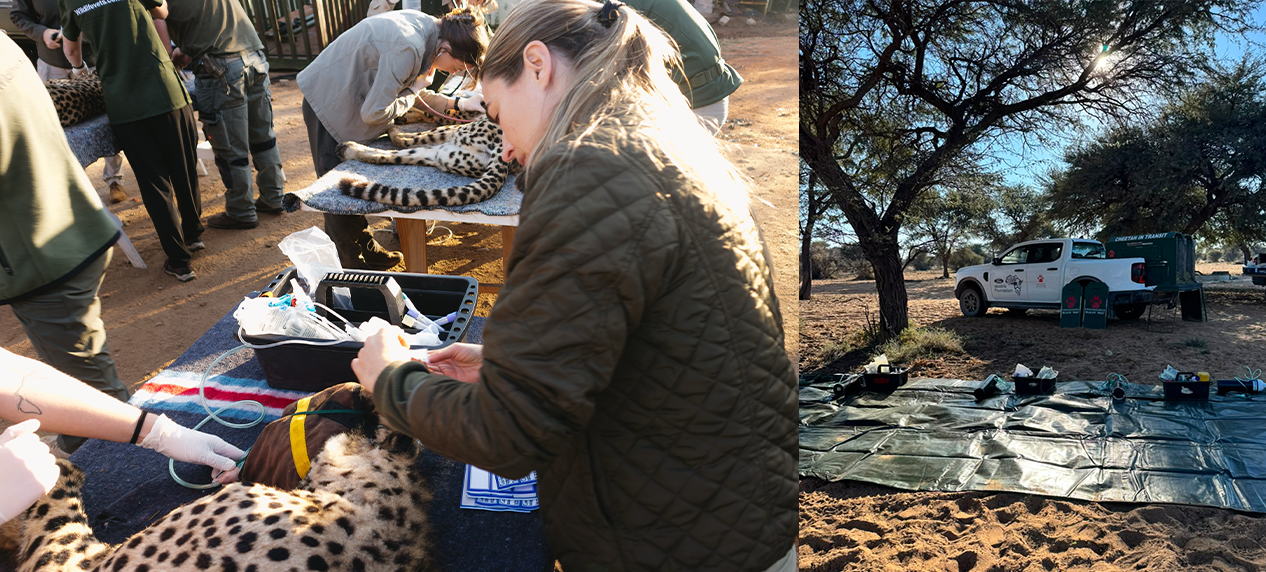
Conservation team conducting health checks on a cheetah before international translocation.

These six founding animals, comprising three males and three females, were carefully selected by the project team from South Africa’s managed Cheetah metapopulation. The Cheetah originated from Thanda Private Game Reserve, Manyoni Game Reserve, Nkomazi Game Reserve, and Dinokeng Game Reserve. Their selection was based on genetics, demographics, and familiarity with the prey species and competing predators they are likely to encounter in their new home. Together, these considerations were made to maximise the likelihood of establishing a healthy, self-sustaining breeding population in Zambia.

The source population itself represents an important conservation success story. Established in 2012, South Africa’s managed Cheetah metapopulation has grown by an average of 8.8% annually, making it one of the few growing Cheetah populations remaining anywhere in the world. This achievement is the result of more than a decade of collaboration between the EWT, private reserve owners, conservation practitioners, and provincial and national governments. Importantly, the success of the metapopulation means conservationists can move beyond simply preventing decline. Instead, they can utilise the population’s growth to source suitable Cheetah for restoration initiatives such as the Greater Luangwa reintroduction, helping restore the species to landscapes where it has been lost.

Following processing, the Cheetah are transported to Kruger Mpumalanga International Airport, where African Parks assists with the next leg of the operation using their Pilatus PC-12. From there, the animals are flown north to Mfuwe International Airport in Zambia. With the support of DNPW and CSL teams, the Cheetah are cleared for entry before continuing onward to a remote area of North Luangwa National Park.

The release site was selected following extensive habitat suitability modelling, prey assessments, and carnivore surveys. These studies identified the area as one of the most suitable locations within the ecosystem for re-establishing cheetah. The objective is not simply to release animals into the wild, but to provide them with the greatest possible opportunity to survive, reproduce, and ultimately establish territories across the wider landscape.

Upon arrival, all six Cheetah are safely offloaded into temporary holding enclosures. Here they spent several weeks acclimatising to the sights, sounds, and scents of their new environment before progressing through a carefully planned release process.

A key component of this reintroduction is a 2,000-hectare predator-proof sanctuary. The sanctuary has been specifically designed to help the Cheetah establish familiarity with the release area before entering the wider ecosystem. By temporarily concentrating animals within a defined space, it encourages interactions between males and females while promoting scent-marking and territory establishment. This is particularly important for males, whose scent-marking locations form a critical part of Cheetah social structure. By allowing these networks to develop before access to the broader landscape is provided, conservationists hope to improve settlement, breeding success, and long-term population establishment.

While the successful arrival of the first six Cheetah is significant, it marks only the beginning of a much longer conservation journey. Additional Cheetah are scheduled to join the founder population later this year, with a total of at least 18 individuals planned over the first two years of the programme. Every released individual will be monitored closely through satellite collars and dedicated field teams. These monitoring efforts will provide vital information on movement patterns, survival, behaviour, habitat use, and ecological interactions, allowing management approaches to be adapted as needed.

Importantly, success in a reintroduction project is measured in stages. The safe translocation of the Cheetah is the first milestone, but it is only the beginning. Their successful adaptation to the landscape is equally critical. The birth of the first litter will represent an encouraging sign that the population is establishing itself. However, the true measure of success will be the development of a self-sustaining population capable of persisting independently into the future. Ultimately, it is the survival and reproduction of second and third generations of cheetah born and raised entirely within the Luangwa landscape that will determine whether this vision has been realised.

For the EWT, this project reflects the organisation’s commitment to restoring threatened species and rebuilding ecological processes. It demonstrates how science-led conservation, long-term planning, and meaningful cross-border collaboration can reverse local extinctions and create new opportunities for species recovery. Equally important is the recognition that conservation success depends on people. Community engagement has been central to the project from its earliest planning stages, with consultations by the project leads taking place across the Munyamadzi Game Management Area and support secured from local leadership, including Chief Nabwalya.

The project has already generated significant employment opportunities in this remote area and forms part of wider efforts to strengthen local livelihoods through conservation-linked development initiatives. Human-wildlife coexistence remains a major focus of the project, although Cheetahs are generally considered a low-conflict carnivore that poses little threat to people.

The journey that began in the early morning darkness outside Mbombela is far from over. Yet with the successful arrival of the first six Cheetah and their release into the sanctuary, an exciting new chapter has begun. Across seven million hectares of wilderness, a species absent for decades has taken its first steps toward recovery. If successful, this ambitious undertaking will not only restore Cheetah to one of Africa’s most important conservation landscapes but also contribute meaningfully to securing the future of one of the continent’s most threatened large carnivores. More importantly, it will demonstrate what is possible when governments, conservation organisations, scientists, landowners, donors, and local communities work together towards a shared vision for wildlife recovery.

The project’s vision extends beyond restoring a single species. It aims to leave a lasting legacy of healthier ecosystems, strengthened conservation partnerships, improved opportunities for local communities, and a safer future for wildlife across the Greater Luangwa Ecosystem.
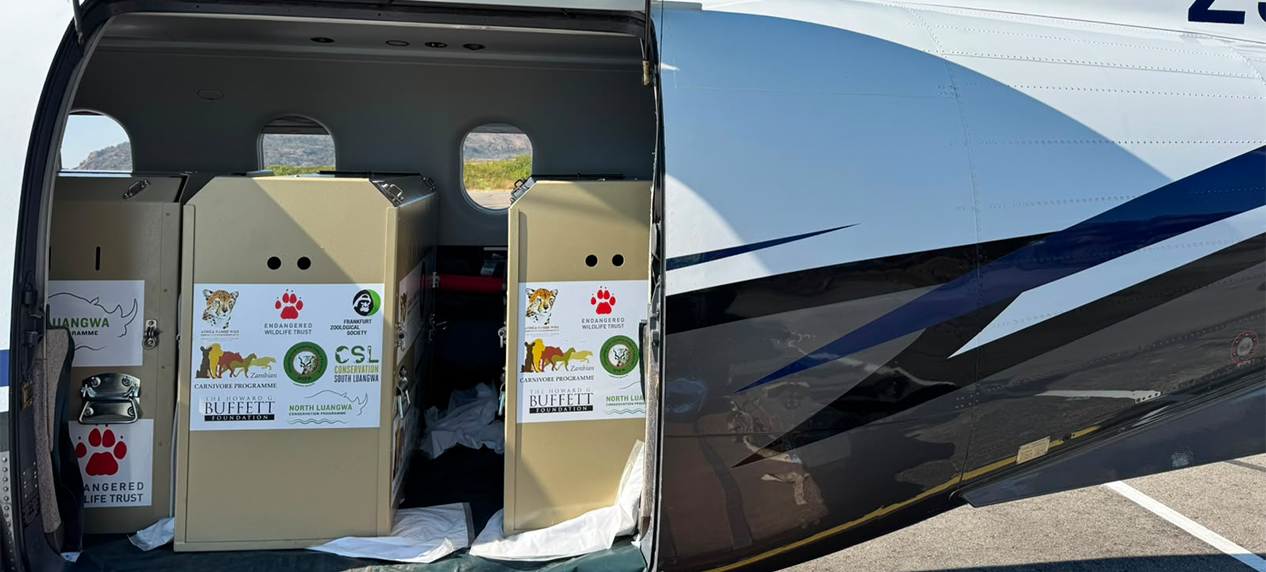
Six cheetahs being prepared for reintroduction into Zambia's Greater Luangwa Ecosystem.

This project is funded by the Howard G. Buffett Foundation. The Endangered Wildlife Trust’s cheetah conservation work is supported by the Ford Wildlife Foundation and MetroFibre.

Lions: a year of success, collaboration and testing new ideas

Lions: a year of success, collaboration and testing new ideas

Lions: a year of success, collaboration and testing new ideas

By Marnus Roodbol, project manager: Carnivore Conservation Unit


human-lion conflict mitigation technology in lion conservation efforts 2025

Three hundred and sixty five days may sound like a long time, but when you’ re driven by purpose, the year passes quickly.

Throughout 2025, our lion conservation work expanded significantly across South Africa and Mozambique as the Endangered Wildlife Trust (EWT) also embarked on an exciting new initiative in the Kgalagadi Transfrontier Park between South Africa and Botswana. Read: Pride & Progress: Inside the Kgalagadi’ s Desert Lion Survey

Kruger National Park

During 2024, SANParks, the EWT, the Greater Kruger Environmental Protection Foundation (GKEPF), and the Lion Recovery Fund (LRF) joined forces to discuss the future of lions in the northern Kruger National Park. Since beginning our work in this region in 2020, our population surveys have revealed a concerning decline in lion numbers, highlighting the urgent need for targeted conservation action.

To better understand population dynamics, several lions have been fitted with GPS collars allowing our team to track movement patterns, identify stable prides, and monitor areas frequented by nomadic males. The data we are gathering will guide long-term conservation planning aimed at restoring lion populations to their historic strength within the park.

Limpopo National Park

Limpopo National Park in Mozambique has been severely affected by the civil wars spanning almost two decades. Recovery has been slow, and today, the park remains vulnerable to poaching, particularly the targeting of lions for their body parts.

The park functions as a “sink area”, meaning that it does not yet sustain resident prides but instead receives dispersing lions from the adjacent Kruger National Park. Females often cross the border with their cubs when prides are taken over by new males, while younger males move through during their nomadic phase.

Our current efforts in Limpopo focus on two key activities:

  • Camera trap surveys in a pre-selected grid to assess biodiversity.
  • Supporting lion rangers with essential field equipment to enhance their ability to patrol, track, and monitor lions on foot.

Data collection continues, with analysis scheduled to begin in January 2026.

Testing the Waters: Livestock Conflict Mitigation

An exciting project embarked on has been our collaboration to rest innovative solutions for human-lion conflict with the global company CLS.  This has included the development of a proof-of-concept project where cattle are fitted with GPS ear tags to monitor their movements and detect when they enter known lion territories.

Although still in its early stages, the project has already recorded several instances of livestock predation in adjacent municipal parks. With continued support, we aim to scale up this initiative in 2026, offering practical tools to help communities coexist safely with wildlife.

Together, these projects represent EWT’ s commitment to securing a future where lions — and the people who share their landscapes — can thrive side by side.