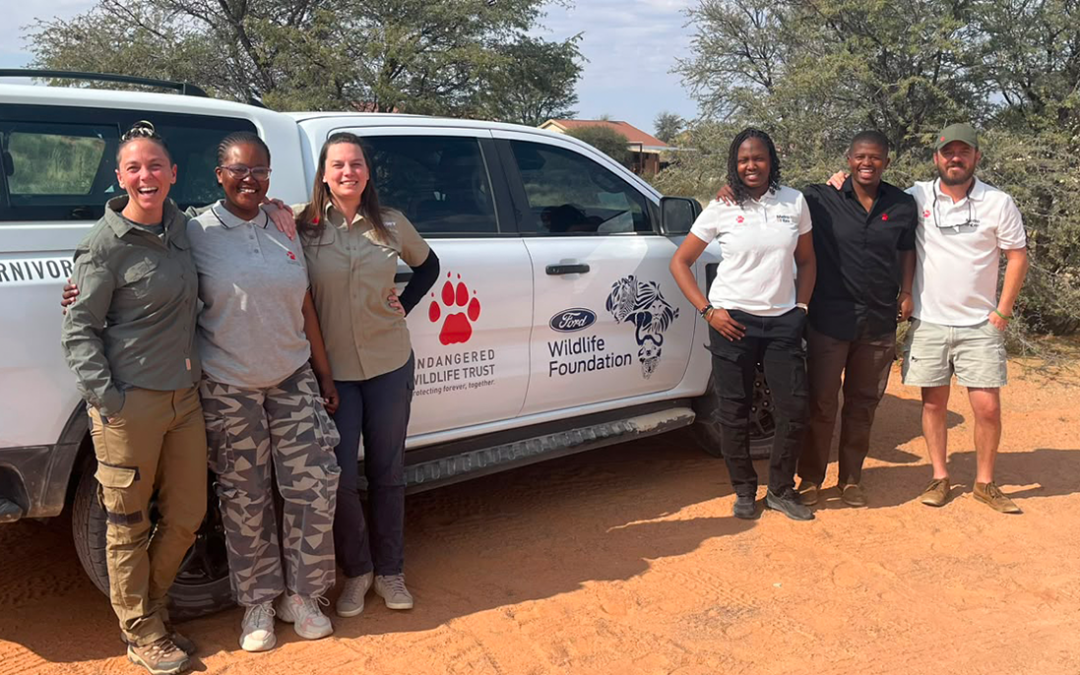
EWT team returns to Kgalagadi Transfrontier Park to conduct lion research
EWT team returns to Kgalagadi Transfrontier Park to conduct lion research
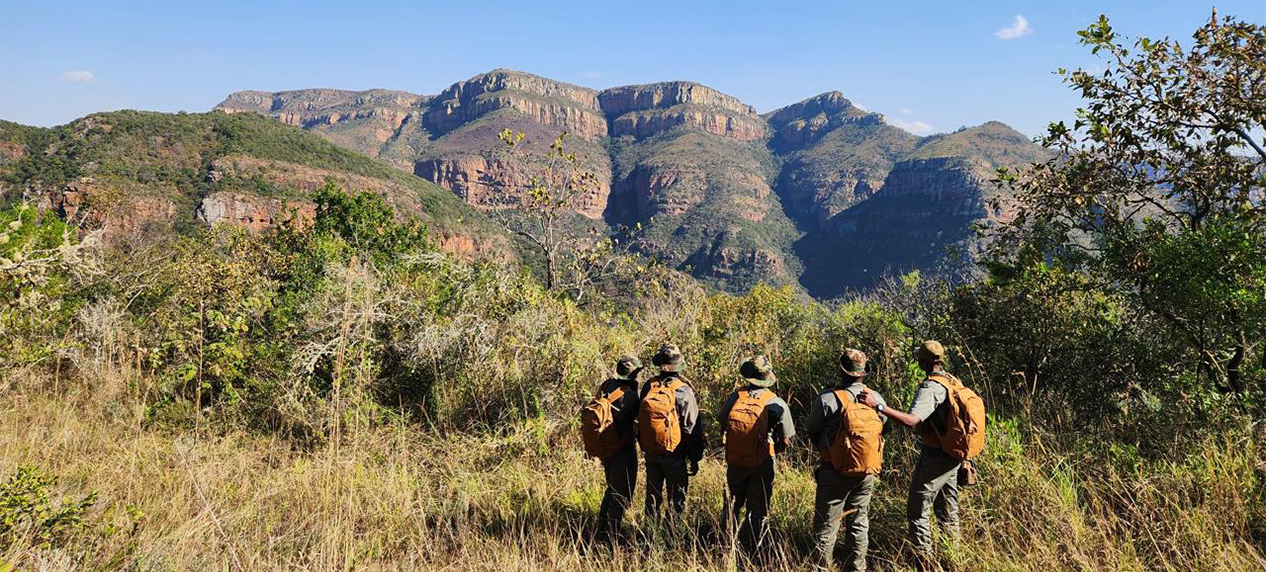
An Endangered Wildlife Trust team has returned to the Kgalagadi Transfrontier Park to conduct this year’s lion population census, helping SANParks monitor and better understand the lion population in the park.
The lion monitoring project started on 1 August and ends on 31 October 2026. In 2025, the team had also spent three months in the Kgalagadi Transfrontier Park, which spans South Africa and Botswana, to collected the first tranche of data about the lions living in this desert landscape.
In the next three months, the EWT team, supported by SANParks, will determine how many lions are estimated to live in the South African part of the Transfrontier Conservation Area, their demographics, and their spatial distribution within the park. A team from Kalahari Research and Conservation are undertaking a similar project on the Botswana side of the Transfrontier Conservation Area.
Repeated annual surveys will form the base for subsequent, less frequent long-term monitoring of the Kgalagadi lion population, the second-largest free-roaming lion population in South Africa.
Understanding the status and performance of this population is central to national lion conservation planning and to the long-term management of the broader transboundary ecosystem. It supports SANParks in the effective management of lion populations within its parks.
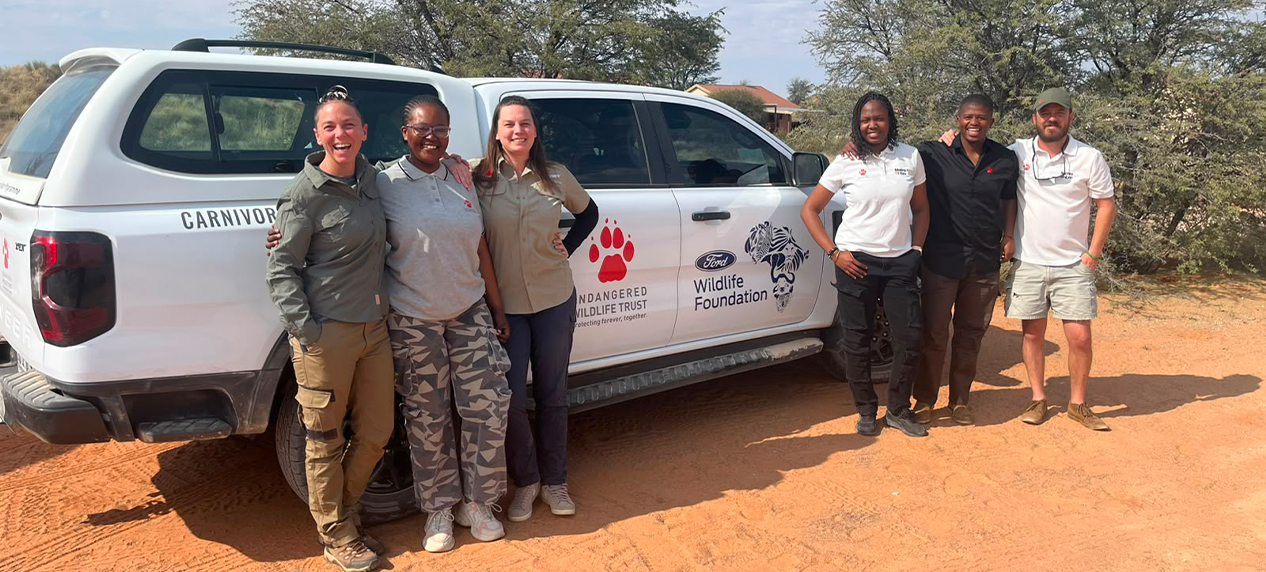
The core team comprises four women and two men. It is led by the EWT Carnivore Conservation Unit’s data analyst, Alison Govaerts, who is supported by EWT project manager Marnus Roodbol. Also on the team are EWT field technicians Nonkuleleko Mokobong, Lesedi Leope, Sabelo Mahlangu and Lizaene Cornwell.
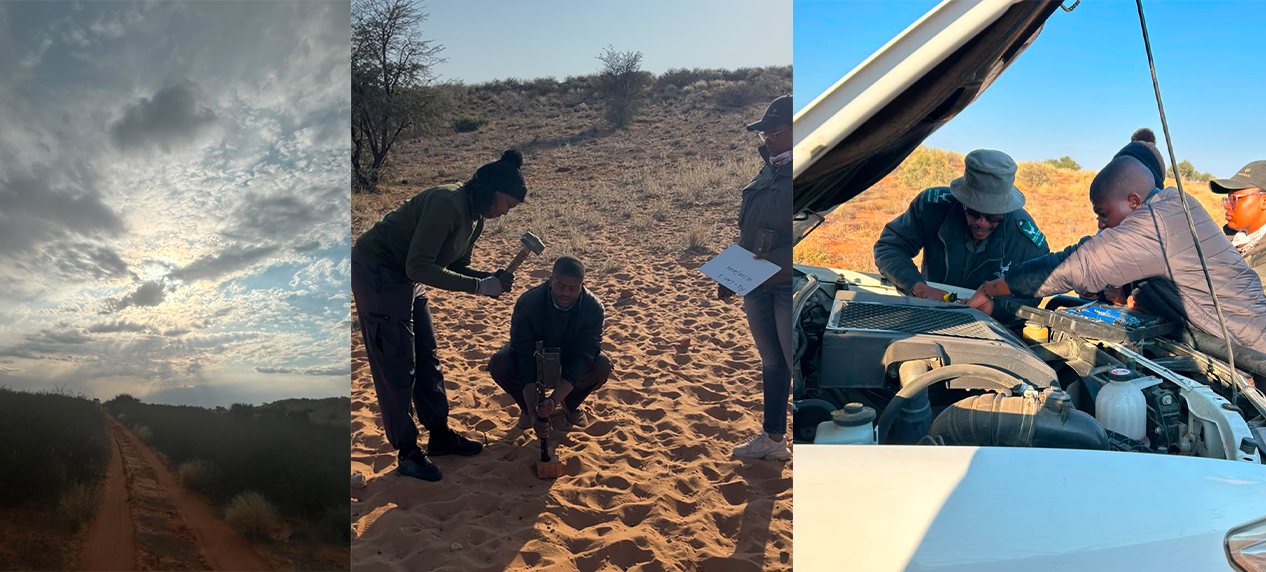
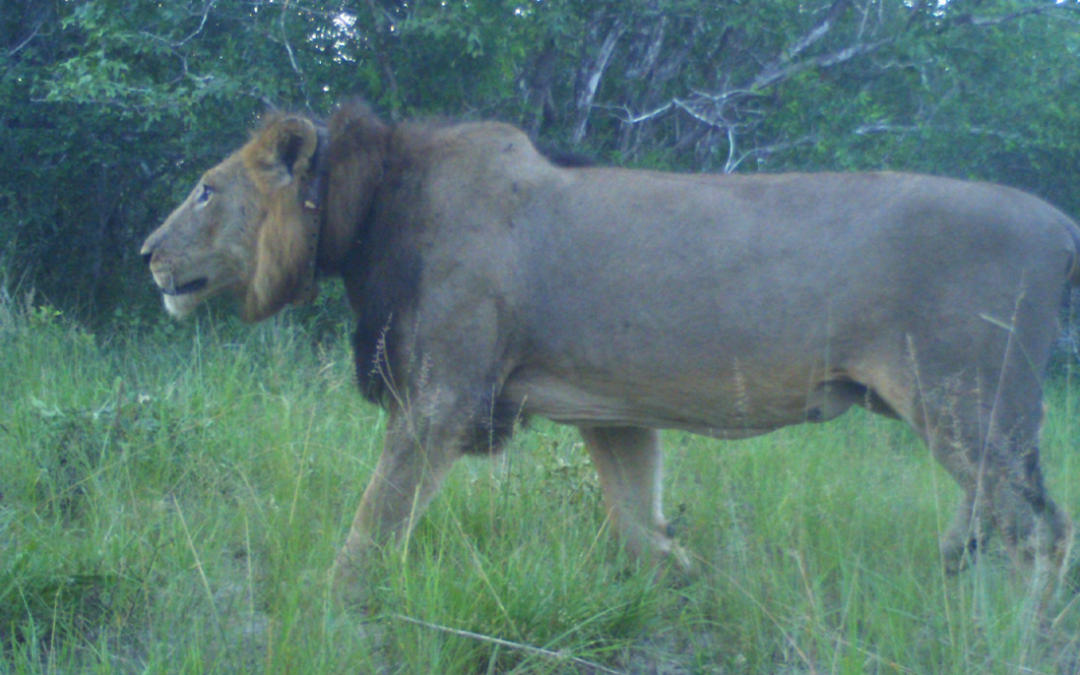
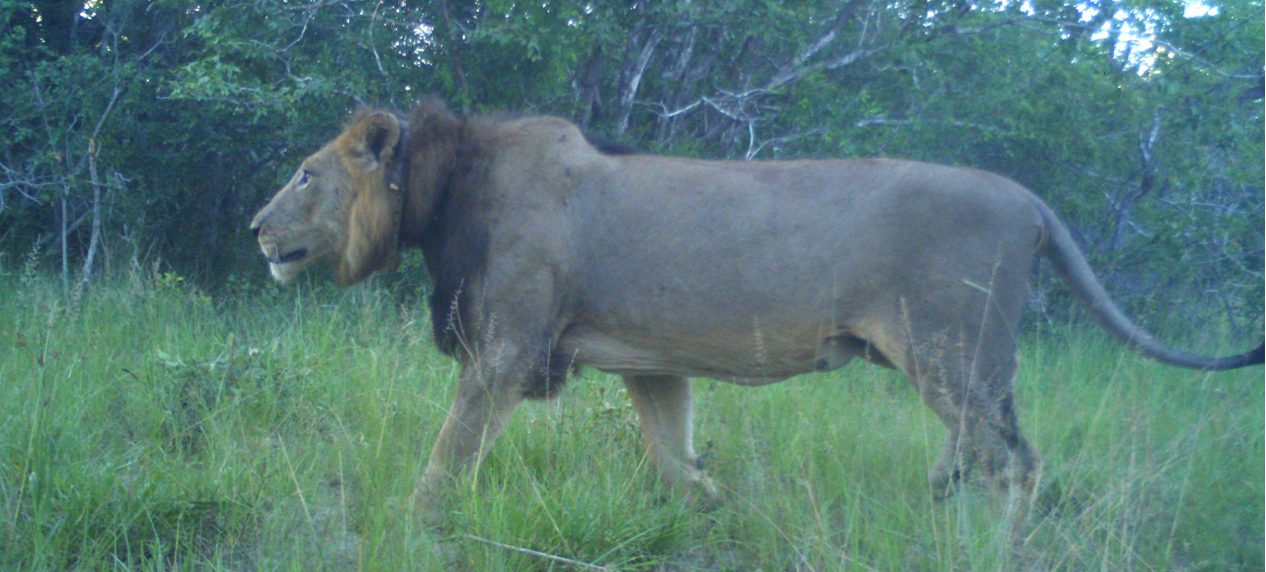
The team are using photographs and camera trap footage to individually identify each encountered lion (excluding lion under one-year-old) using their unique whisker pattern.
At the end of the three-month period, the results and reports of the surveys by the EWT and Kalahari Research and Conservation will be combined to estimate lion numbers across the whole Transfrontier Park. As the lions move freely across borders, some individuals will be identified by both teams. By combining the survey data, possible double counting of these lions will be avoided.
Through the monitoring of existing populations, we are able to keep track of population dynamics, which provides a powerful tool to inform management strategies and to identify potential threats in time. The protection and conservation of lions remains a priority for this apex predator that plays a central role in keeping the balance within ecosystems by maintaining a healthy prey base, and keeping the meso-predator population in check. Without lions, prey populations would risk overgrazing the landscape.
Lions are a flagship species, and are a popular sighting as a key member of the Big Five during safaris. Thus, their economic importance.
Lion are also culturally important as they symbolise power, strength, and leadership, and are embedded in many practices, ranging from representing totems and clans, to being a symbol or name for sports teams, or play a role in spiritual and traditional customs.
In partnership with SANParks, and with the support of the Lion Recovery Fund and private donors, the EWT is taking a important step forward for lion conservation.