Help protect Africa's 

International Vulture Awareness Day, Cape Vulture Conservancy

International Vulture Awareness Day, Cape Vulture Conservancy


International Vulture Awareness Day, Cape Vulture Conservancy


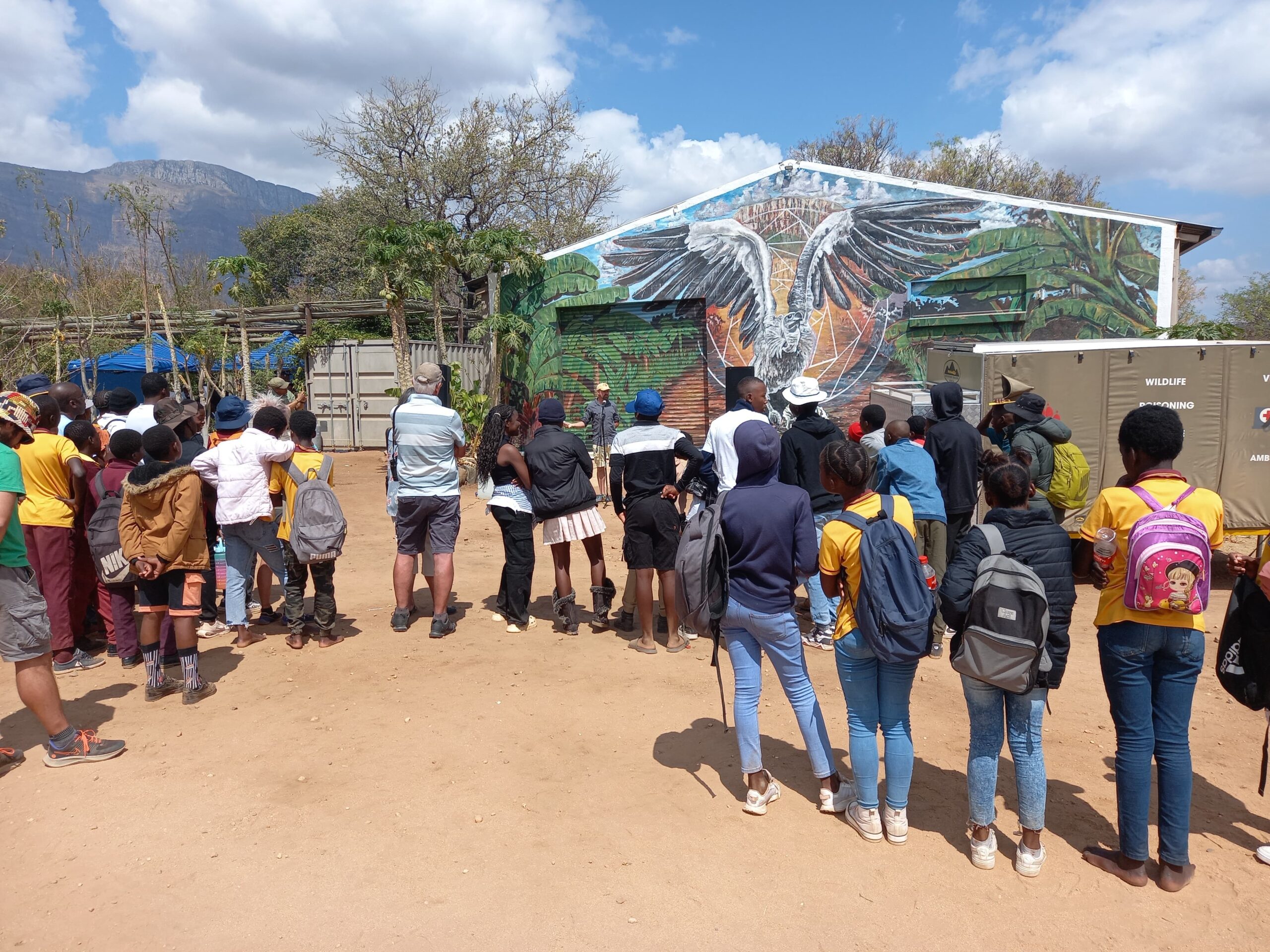
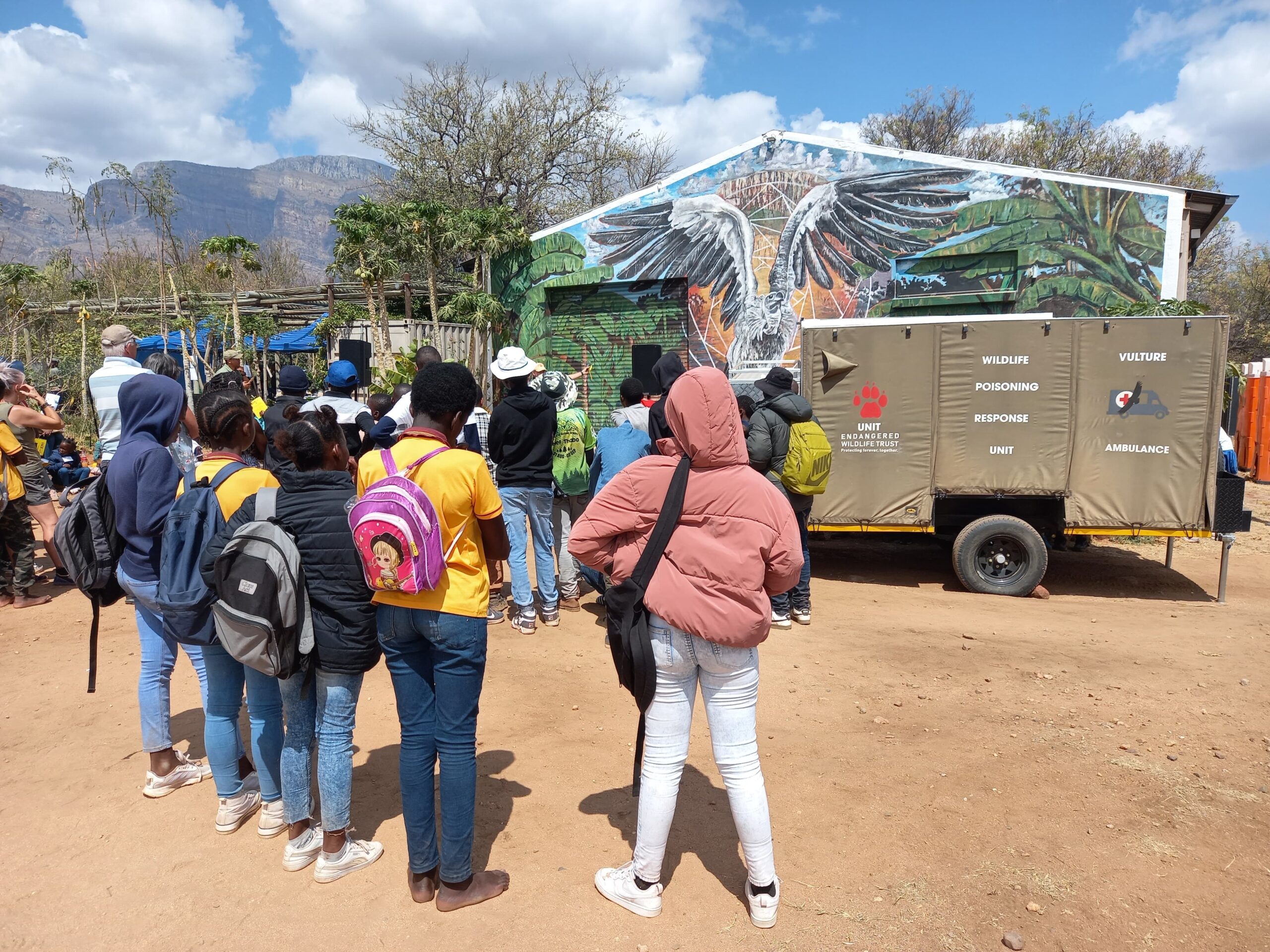
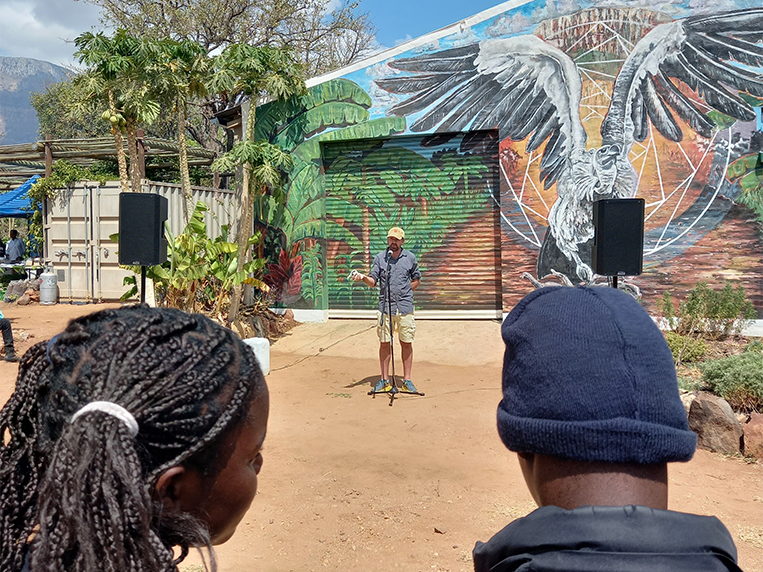
Every year, people from all around the world, come together on the first Saturday of September to celebrate internation vulture awareness day. Originally started by the Endangered Wildlife Trust and the Hawk Conservancy Trust in 2006, it has grown since inception into a global platform to celebrate a group of birds that don’ t always get the attention and publicity that they deserve. This year, the Endangered Wildlife Trust in the lowveld region of eastern South Africa, joined up with the Cape Vulture Conservancy, to share knowledge and education about vultures in general, along with the threats they face, and how we can collectively work together to create a better future where the skies are filled with vultures.

Cape Vulture Conservancy plays host to the second largest colony of Cape Vultures Gyps coprotheres globally, and as an organisation, they have prioritised the long-term conservation of the colony, and really making this the core of what they do. With over 700 breeding pairs nesting along the cliff faces of the Drakensberg escarpment, it makes for a wonderful backdrop, and a perfect venue for celebrating such an important event.


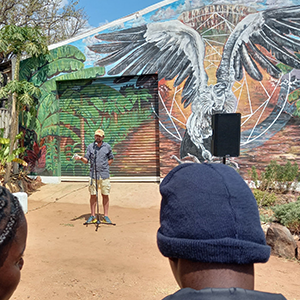
This year, one of the major aims was to include youth from surrounding areas and the greater Hoedspruit community and afford the chance to not only get to know the property better, but also educate people regarding the plight of these special birds. With roughly 300 school kids attending, and with some travelling from as far as Selwane, to the north-west of Phalaborwa, it undoubtedly was an event that stood out as one of the highlights of the year. The day started with a fun walk covering a 5km section of the property, after which everyone could explore the permaculture gardens, several stalls from organisations such as Daktari Bush School & Wildlife Orphanage, Moholoholo Wildlife and Rehabilitation Centre, and Animal Relief for Rural Communities. After some introductory presentations from Frikkie Kotze, the manager of Cape Vulture Conservancy, and John Davies from the Endangered Wildlife Trust, everyone got treated to a snake demonstration from the Hoedspruit Reptile Centre, which was a real hit and a great way of ending the day.

The Endangered Wildlife Trust would like to thank the wonderful team from Cape Vulture Conservancy for taking the initiative to not only host and drive this event, but also commit to the long term conservation of these magnificent birds within the region.
A familiar face greets the Endangered Wildlife Trust team during field monitoring for vulture threats

A familiar face greets the Endangered Wildlife Trust team during field monitoring for vulture threats

News from the field:

A familiar face greets the Endangered Wildlife Trust team during field monitoring for vulture threats

By John Davies, Bird of Prey Programme

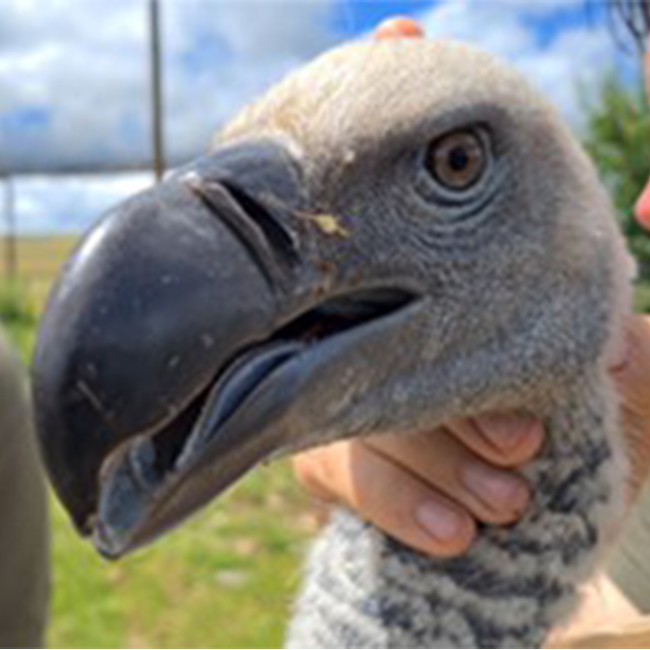
The Endangered Wildlife Trust’ s Lowveld Birds of Prey team had a remarkable encounter in the Timbavati Private Nature Reserve recently. During their fieldwork, they trapped a stunning adult Cape Vulture they had previously rescued, an event made even more special given the low probability of re-trapping a ringed and GPS-tracked bird. This vulture, part of the Cape Vulture colony on the cliffs of Manoutsa west of Hoedspruit, which comprises approximately 760 breeding pairs, reconnected with the team in a significant way.

In collaboration with the University of Pretoria, the EWT team was supporting a PhD student investigating various aspects of vulture health. The student’ s research focuses on diseases affecting vultures, such as Avian Influenza, Newcastle Disease, West Nile Virus, ectoparasites, haemoparasites, and cloacal microbiomes. This study is crucial as African vulture populations are rapidly declining, and smaller population sizes increase the threat of disease, a relatively understudied danger.

During this fieldwork, EWT Birds of Prey field worker Kyle Walker spotted a ring on a Cape Vulture and immediately recognized it as one of their tracked birds, named Dr Mike after the veterinarian who saved its life. Dr Mike was discovered in late 2021 at Lissataba Nature Reserve with a broken wing from a powerline collision. Thanks to Murray and Robin Reid, who managed the property, the bird was rushed to White River Animal Hospital for emergency surgery. Following months of rehabilitation at the Dullstroom Birds of Prey Centre, Dr Mike was ringed, fitted with a tracking unit, and released back into the wild on February 2, 2022.

Since his release, Dr Mike has travelled an astonishing distance of over 94,000 km, averaging 110 km a day, highlighting the vast ranges these birds cover and the space they need to thrive. Our tracking data shows he is now breeding on the Manoutsa cliffs, marking a true conservation success story.

Dr Mike’ s story underscores the importance of collaboration between protected area management and conservation organizations like the EWT, alongside the invaluable rehabilitation centres in the Lowveld. Every bird counts, and without intervention, this vulture would have perished. The state-of-the-art GPS tracker fitted to Dr Mike allows us to monitor his behavior and identify threats as he soars through the African skies. It is incredible to see the data from his tracking unit as he breeds again on the cliffs of Manoutsa.

To learn more about Dr Mike’ s story, visit: Cape Vulture (ewt.org.za)