Help protect Africa's 

Hybrid Wattled X Blue crane fledges

Hybrid Wattled X Blue crane fledges

Hybrid Wattled X Blue crane fledges

By Jacquie van der Westhuizen, senior EWT field officer
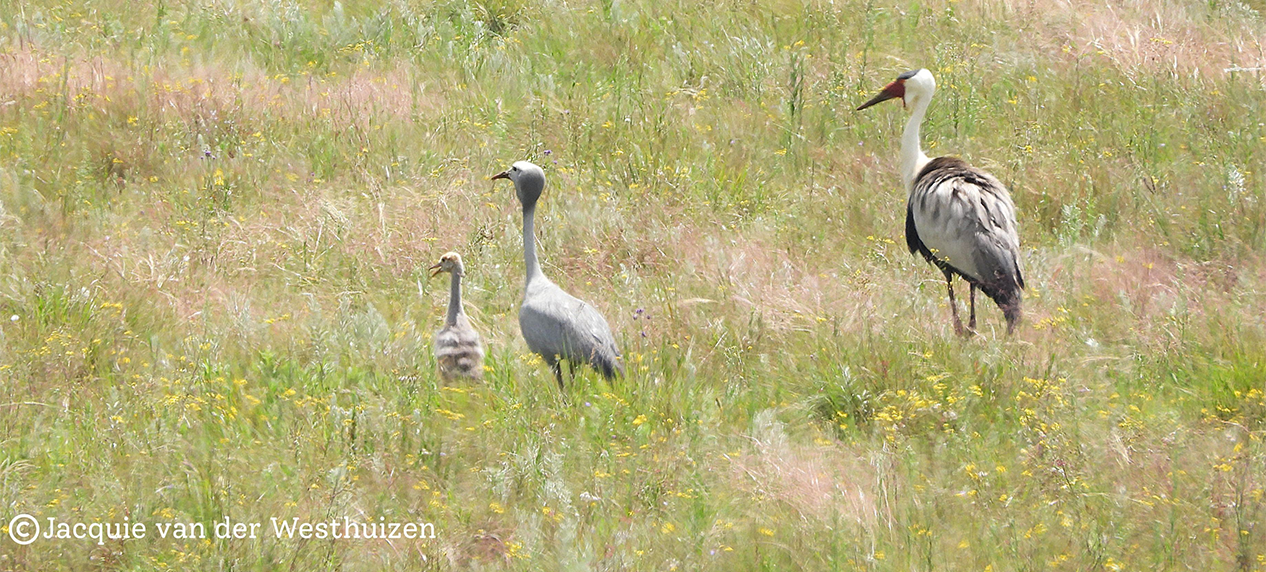
 

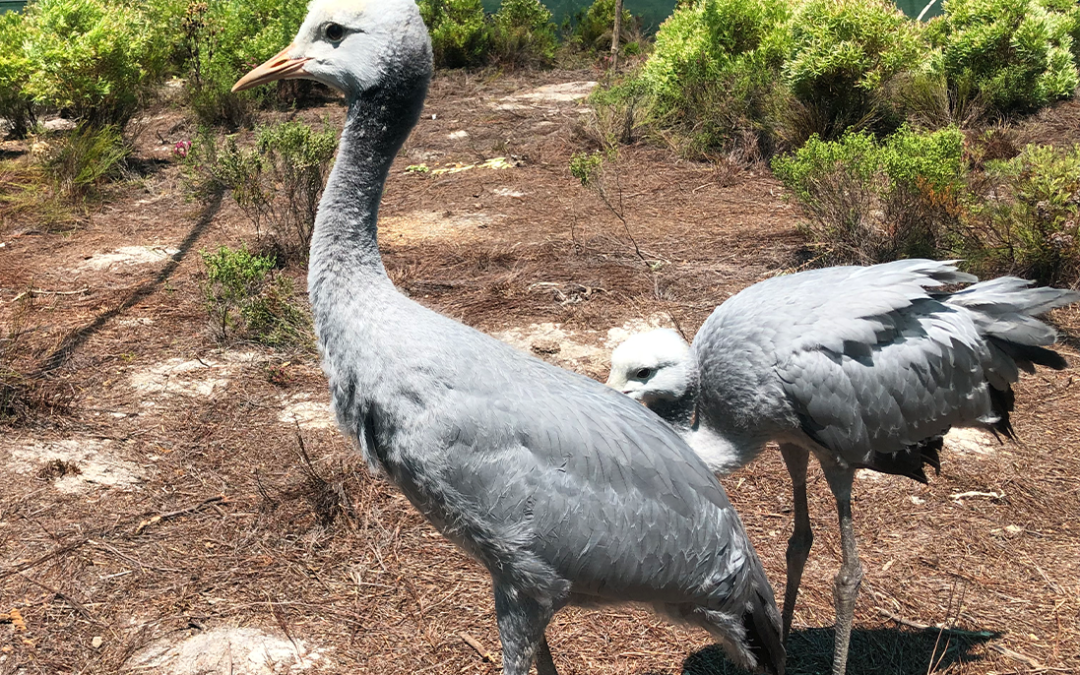
Wattled Blue Crane hybrid chick Mpumalanga grassland

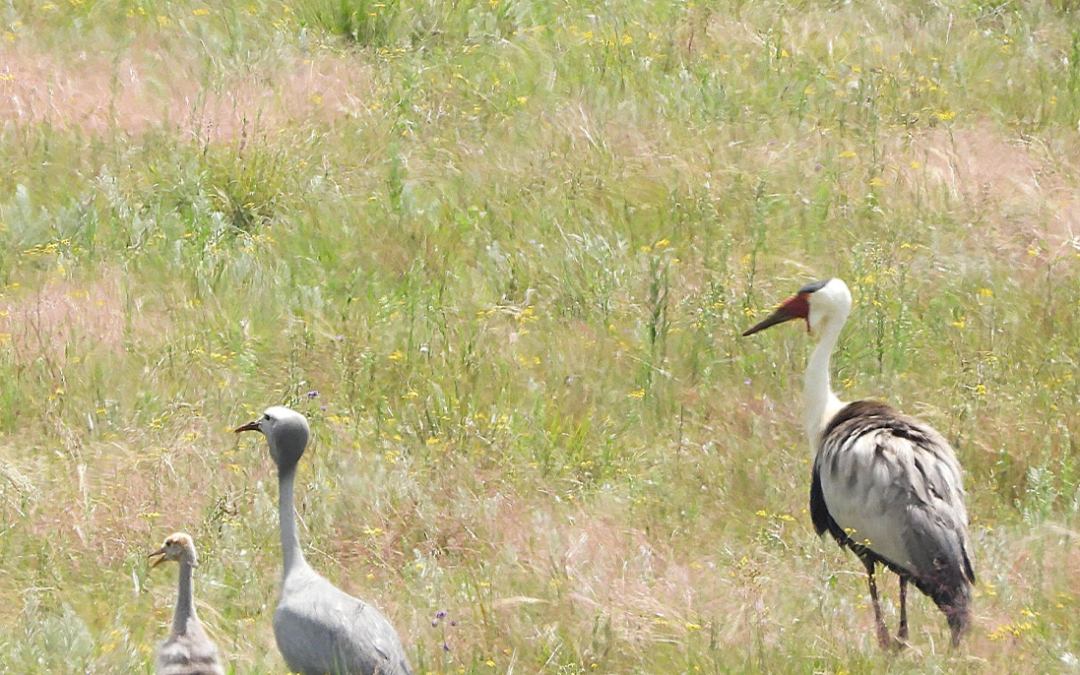
For the last couple of years, we have been getting reports of a lone Wattled Crane hanging around with some Blue Cranes in Mpumalanga.  Never in our wildest dreams did we think that a Wattled crane would pair up with one of the Blue Cranes, but the inevitable happened.

In early February I got a report from the farmer, accompanied by photo evidence, of the pair walking with, yes, a Chick!

There are not many known cases of hybridisation such as this and even less of it being documented, so I went up to Mpumalanga to see for myself.  I spent a few days monitoring, photographing and documenting the interaction between the adult Wattled and Blue crane and their chick, and their general behaviour.  At that point I guessed the chick was approximately 5-6 weeks old resembling a Wattled crane chick in looks and size.

In the normal life cycle of a Wattled crane, chicks fledge at approximately five months and, at approximately 10 months of age the parents take them to a floater flock – a group of cranes that are not yet of breeding age or have yet to pair up – and leave them there to grow up, find a mate and begin a whole new circle of life. 

During our monitoring we decided that in the event that this hybrid chick survived to adulthood and joined a floater flock, we needed to ring it so we would be able to identify him amongst a dance (flock) of cranes.  The purpose of this would be to see if it eventually paired up with another crane and bred.  We also took genetic samples as this would give us a better idea of the genetic makeup of the hybrid crane and the sex of the bird. This was done when the chick was approximately 13 – 14 weeks old, and looking more like a Blue Crane with a smaller bill and head and Blue Crane colouring.  

It has since fledged. This has meant less sightings and more difficult monitoring as the chick and his parents move around. He was last seen a few days ago (in May 2026) and, interestingly, now looks more like a Wattled Crane – lighter neck colouring, grey back and is almost as big as the Wattled crane. But, he is as fast as a Blue Crane when he runs!

In the animal kingdom, hybridised species are generally infertile, but it has been confirmed by none other than the International Crane Foundation’ s (ICF) founder, George Archibald, that hybrisation between Brolga and Sarus Cranes in Australia not only occurs, but results in fertile chicks, and is actually more common than one realises.  These majestic birds are now known as Sarolga.   We have no evidence to prove this in Wattled / Blue crane hybrids as very little has ever been documented.

One of the reasons these types of hybridisations happen could be as a result of habitat loss, which in turn results in the decline of cranes in certain areas.  When crane numbers drop – in this case Wattled Crane numbers declined dramatically – the remaining few cranes start mingling with other crane species and eventually pair up.

We have seen a huge decline in the number of Wattled Cranes in Mpumalanga in the past 20 years.  This province was once home to the second largest population outside of KwaZulu-Natal.  This has resulted in the EWT / ICF partnership implementing a research project in the province to investigate the causes of the decline and how we can improve key crane habitats in the province to bring back this beautiful and iconic species.

Here’ s a challenge for you, our readers:  What should we call our South African hybrid Wattled / Blue Crane?  A Watblue or a Bluewat?   Your suggestions are welcome and can be mailed to emomberg@ewt.org or jacquiev@ewt.org

Breeding of Blue Cranes lower in intensive agricultural landscapes

Breeding of Blue Cranes lower in intensive agricultural landscapes

Breeding of Blue Cranes lower in intensive agricultural landscapes

By Eleanor Momberg


Blue Crane breeding Western Cape wheatlands habitat

Blue Cranes breed less successfully in the Western Cape Wheatlands than in their traditional range, highlighting a potential ecological trap for South Africa’ s national bird.

This is concerning for this stronghold of the Blue Crane (Grus paradisea) population, and might explain why numbers have been declining for the last decade,  a paper entitled Reduced Blue Crane Grus paradisea breeding productivity in intensive agricultural landscapes, states.

The research, published in the Journal of African Ornithology, Ostrich, compared the breeding of Blue Cranes in the Western Cape wheatlands in the Overberg and Swartland, Karoo and eastern grasslands of South Africa.  It found that the birds bred more frequently in the grasslands and the Karoo than in the Overberg or Swartland.

The Swartland pairs were found to fledge chicks half as often as Overberg, grasslands and Karoo pairs indicating that low breeding productivity and recruitment could explain the declining Blue Crane population in the Western Cape wheatlands and that the region has become “an ecological trap for the species”.

By engaging with landowners to reduce nest disturbances, promoting chick-safe water troughs to prevent drownings and reducing fence entanglements by improving fence designs could result in more efficient and successful breeding, the report states.

The findings, the report states, highlight the challenges and complexities with conserving the remaining biodiversity in transformed or novel landscapes where species, such as the Blue Crane, require sustained and intensive management to maintain their population.

In 2025, the Blue Crane was uplisted from Near Threatened to Vulnerable in the Red Data Book of Birds reflecting growing concern about the future of the species, and underscoring the critical role of the Overberg region in renewed efforts to protect the birds.

The uplisting states that the reasons behind the dramatic decline in the Overberg over the past 14 years included disturbance during the breeding season, collisions with power lines, entanglement in farm fencing and baling twine and poisoning – often from substances intended for other species. In addition, shifts in agricultural practices over the past decade, including minimum till and increased canola production, altered the landscape, reducing the availability of suitable feeding and breeding areas for cranes.

As a result of the uplisting, the Endangered Wildlife Trust (EWT), through its partnership with the International Crane Foundation (ICF), has increased its efforts to conserve the Blue Crane, with a strong focus on the Western Cape and Karoo.

Decades of successful conservation interventions yielded positive results in KwaZulu-Natal and the Northern Cape, thus the shift in attention to populations in the Western Cape.

Blue Cranes are endemic to South Africa, with a small population found in Namibia, making these the world’ s most range-restricted crane. There are less than 30,000 of these birds left in the world.

Efforts to safeguard the Blue Crane in the Western Cape include intensifying work with communities and farmers to restore habitats, and addressing threats posed by energy infrastructure.

This research in the Western Cape was made possible by support from Leiden Conservation Foundation & Hall Johnson Fellowship


Link to article: https://doi.org/10.2989/00306525.2025.2604223

** Christie A Craig, , Bradley K Gibbons, Tanya Smith, Glenn I Ramke and Peter G Ryan

Blue Crane Conservation: Protecting South Africa’ s National Bird

Blue Crane Conservation: Protecting South Africa’ s National Bird

Blue Crane Conservation: Protecting South Africa’ s National Bird

By Dr Christie Craig, Conservation Scientist


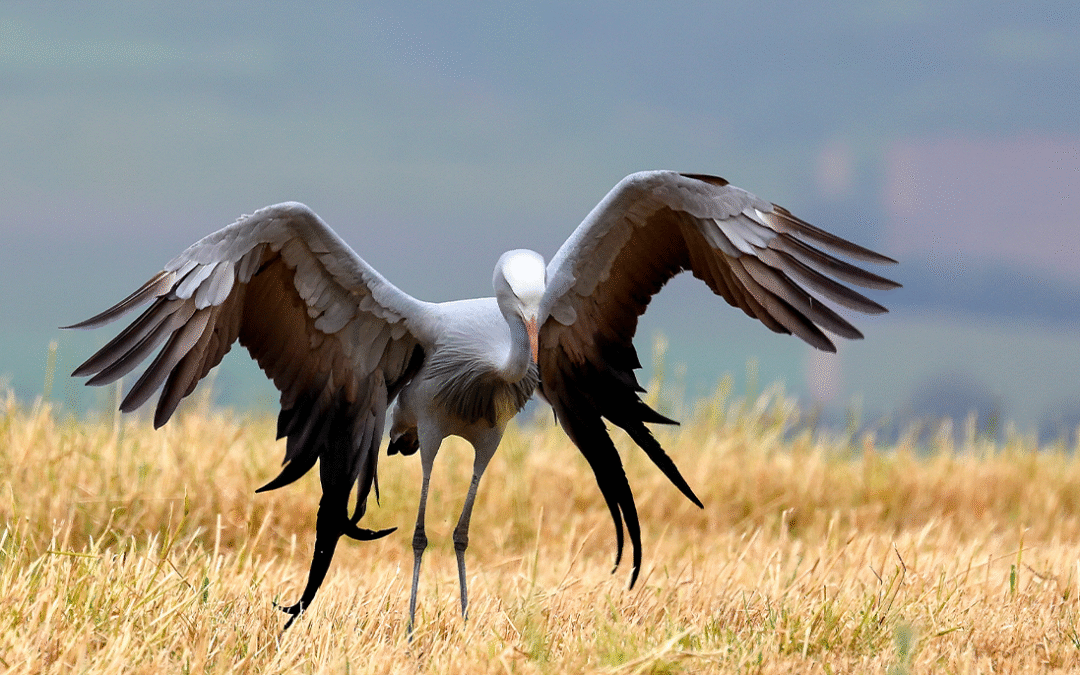
Blue Cranes in Western Cape farmlands as part of conservation efforts

Image Credit: Pieter Botha


September is Heritage Month in South Africa, a time when we focus not only on our cultural, but also natural heritage, most notably our National Bird, the Blue Crane.

To ensure the continued survival of this species, and its growth in areas where it has shown decline in recent years, the Endangered Wildlife Trust (EWT), through our partnership with the International Crane Foundation (ICF), has increased its efforts to conserve the Blue Crane, with a strong focus on the Western Cape and Karoo.

Decades of successful conservation interventions have yielded positive results in KwaZulu-Natal and the Northern Cape, and attention is now being directed to populations in the Western Cape, with the same positive outcomes being targeted.

Blue Cranes are endemic to South Africa, with a small population found in Namibia, making these the world’ s most range-restricted crane. There are less than 30,000 of these birds left in the world.

As part of our Heritage Month celebrations, and to mark Heritage Day on 24 September,  the EWT/International Crane Foundation partnership is expanding its existing activities to safeguard the future of Blue Crane populations in the Western Cape, by intensifying our focus on habitat restoration with communities and farmers, and addressing threats posed by energy infrastructure.

The Blue Crane (Anthropoides paradiseus) is an important element of South Africa’ s natural heritage, serving as a flagship for conservation in agricultural landscapes, from the rolling grasslands of KwaZulu-Natal to the expansive plains of the Karoo, to the patchwork of crops and renosterveld in the Western Cape. 

Since 1994, the EWT/International Crane Foundation partnership has been committed to Blue Crane conservation in South Africa, running projects in the grasslands, Karoo and Western Cape. Over the last 10 years, the majority of our applied crane conservation work has focused on the Drakensberg region, where Blue Cranes have historically faced steep declines. With consistent conservation action, including natural habitat protection, powerline impact mitigation and community projects, Blue Crane numbers are now slowly increasing, testimony to the success of our conservation activities.

Until 2010, Blue Crane numbers were increasing and healthy in the Karoo and Western Cape. However, a recent PhD study supported by the EWT/ICF Partnership reveals that numbers have subsequently been declining in these areas, especially in the Overberg ,where counts have dropped by 44% between 2011 and 2025. For more info on the reasons for this decline, see our June press release.

This has sparked the need for renewed conservation effort underpinned by a multi-stakeholder conservation plan, which was developed with the help of the Conservation Planning Specialist Group, gathering inputs from NGO, industry, landowners, communities and government.   


The  conservation plan comprises four parts:

1: Habitat protection.

The partnership will continue its commitment to Blue Crane conservation in the Drakensberg through ongoing habitat protection and will expand this work from the Western Cape into the Karoo. 

2:  Addressing energy infrastructure impacts.

Because Blue Cranes are particularly susceptible to colliding with energy infrastructure, the relationship with energy suppliers is being expanded to address this issue through powerline mitigation and improved infrastructure routing.

3:  Crane Friendly Agriculture

Engagement with the agricultural industry is increasing to co-create solutions that allow Blue Cranes and other species using the agricultural matrix to thrive alongside agricultural production. Blue Cranes are especially dependent on agriculture in the Western Cape, but also use agricultural habitats in the Karoo and grasslands. Work in the agricultural sector will focus on addressing threats such as poisoning and breeding disturbance, as well as helping farmers address crop damage issues.

4:  Research and Monitoring:

This is an essential underpinning of any good evidence-driven conservation project. Through monitoring Crane numbers and breeding success, we will be able to gauge our impact. Without research, we wouldn’ t have known that Blue Cranes’ numbers were declining or why. Through continued research, we will keep abreast of changes in the Blue Crane population and in the landscapes that they depend on.

The implementation of this four-pronged approach creates certainty for the EWT/ICF that we can reverse the decline in the Blue Cranes populations in the Karoo and Western Cape, as we have done in the Drakensberg region. 

The EWT remains committed through the implementation of its Future Fit Strategy to working with partners throughout Africa to ensure the survival of crane species, particularly the Blue Crane. Grey Crowned Crane and Wattled Cranes.


**  The EWT/ICF projects are generously supported by the Leiden Conservation Foundation, Eskom, Hall Johnson Foundation, Indwe Risk services, Jacksonville Zoo and Gardens Zoo Neuwied, Safari West, Nashville Zoo and the Paul King Foundation

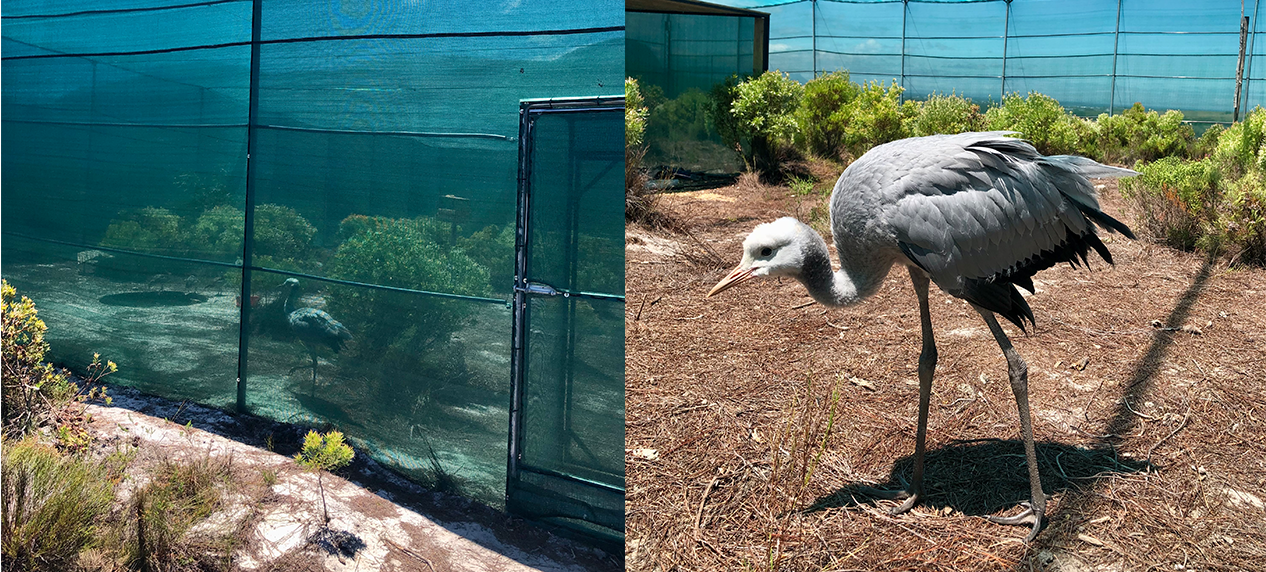
Blue Crane rehabilitation enclosure

Blue Crane rehabilitation enclosure

News From the Field

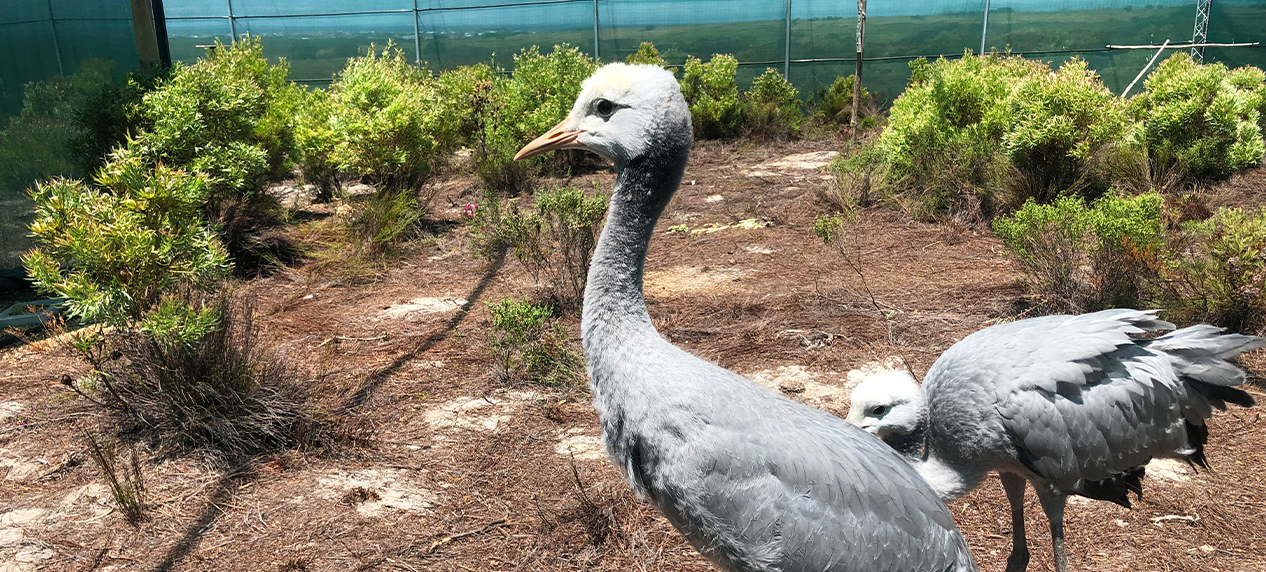
Blue Crane rehabilitation enclosure opened at Kogelberg Biosphere Wildlife Rescue and Training Centre


Blue cranes are being injured by powerlines and fence collisions, creating an urgent need for the care and rehabilitation of the species.  To address this, a Blue Crane rehabilitation facility has been established in the Overberg region of the Western Cape.  

The enclosure at a wildlife rehabilitation facility at the Kogelberg Biosphere Wildlife Rescue and Training Centre was constructed by Haygrove South Africa in collaboration with the Kogelberg Biosphere NPC, and funded through the International Crane Foundation/Endangered Wildlife Trust and Leiden Conservation Foundation. 

The first of its kind in the Western Cape, it serves a region where the need for services to deal with cranes living in agricultural habitats and often injured in collisions with fences and powerlines, is great.  The 4,000 m2 enclosure houses injured Blue Cranes during their rehabilitation. It is large enough to enable them to stretch and exercise their flight muscles, allowing for better outcomes on release. Rehabilitation will reduce the number of mortalities and result in improved survival of the species, which is in decline. 

Blue Cranes are listed as Vulnerable on the IUCN Red List of Species.  Blue Crane densities in the Overberg are 4-5 times higher than in the rest of the country.    


Field work for the Wildlife and Energy Programme

Field work for the Wildlife and Energy Programme


Field work for the Wildlife and Energy Programme

 One of the field officers of the Endangered Wildlife Trusts’ Wildlife and Energy Programme, Ronelle Visagie, travels a lot through the Northern Cape, Eastern Cape and the western and southern Free State to investigate powerline incidents. 

Ronelle recently travelled to a powerline 100 km southwest of Kakamas for an investigation, and also surveyed  seven powerlines in the Eastern Cape and one in the southern Free State.  Driving around our beautiful country does have its advantages and grants us as EWTers an opportunity to visit and experience different parts of our beautiful country.  

This month we share with you a few photographs of Ronelle’ s recent journey to investigate powerlines.


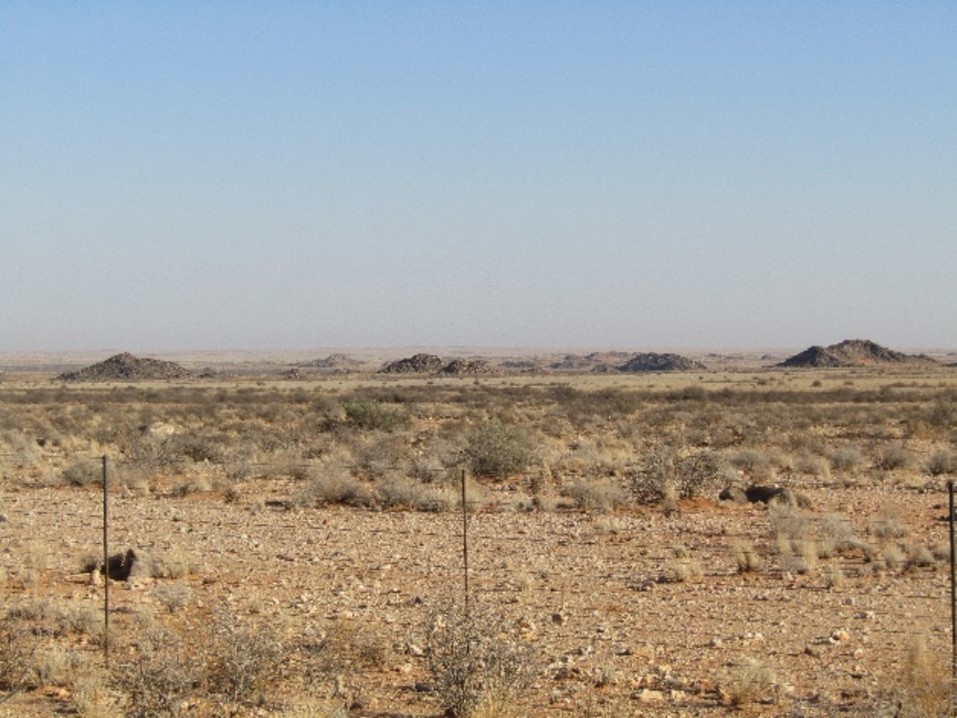
Kakamas is in Namaqualand, a desolate part of the Northern Cape. Despite being situated on the banks of the Orange River, this area is typically very dry. Most people only ever pass this area en route to Namibia or the Kgalagadi Transfrontier Park.

Believe it or not, there are White-Backed vultures in Namaqualand. This picture of three vultures sitting on an electricity pylon was taken 100 km southwest of Kakamas.

Ronelle also passed two Cape Griffon Vulture roosting sites on her journey through the Eastern Cape and Free State. The one is near Zastron in the Free State. The other was seen between Burgersdorp and Jamestown.

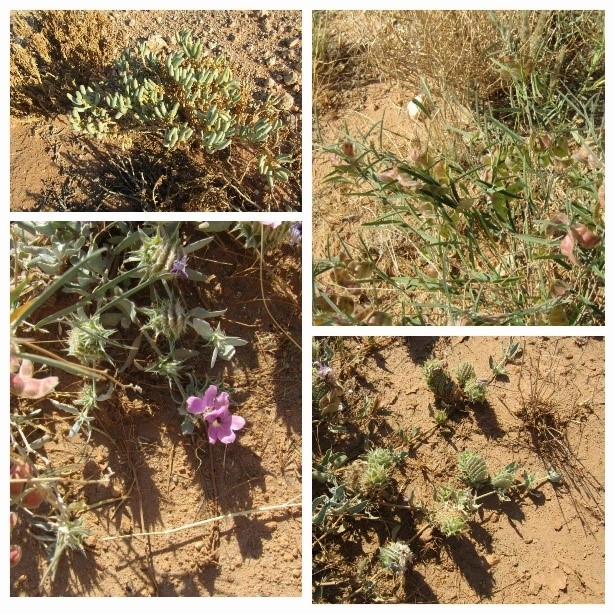
The plants in this region are something special, especially because most are unique to this part of our coutry. Even though winter was approaching, some of the veld plants in this dry habitat were flowering making this visit colourful.

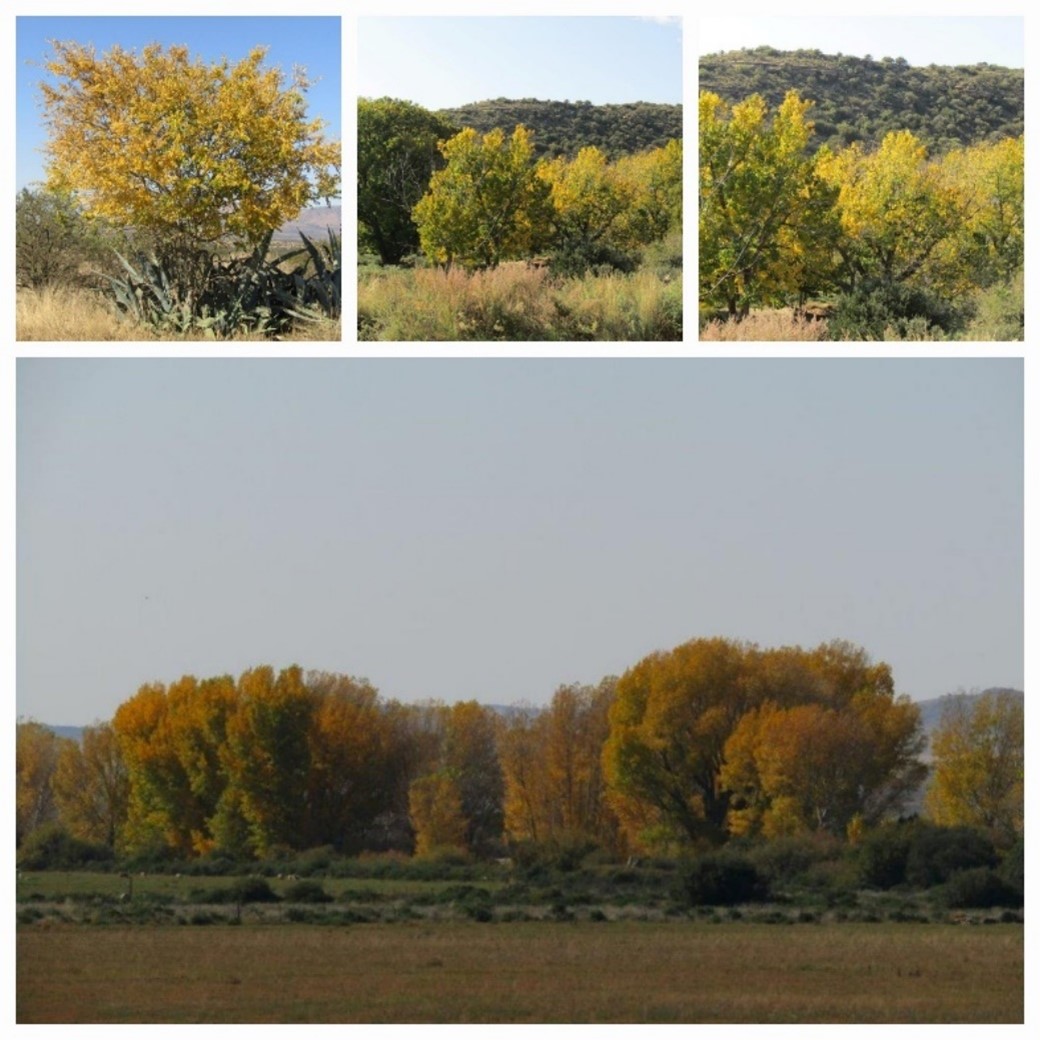
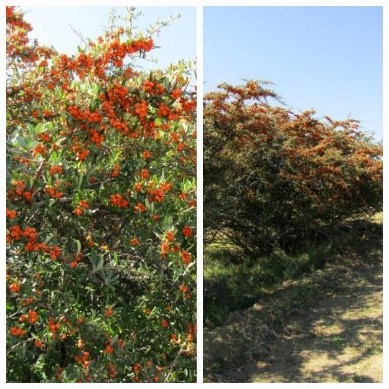
Because it was late in autumn, the Eastern Cape and Free State were beautiful. All the trees were showing off their autumn leaves, and the Orange Charmer shrubs (Pyracantha coccinia or Fire Thorn) were covered in berries. Unfortunately, the Orange Charmers are an exotic species.

A picture can tell a thousand words. Even though it was not very hot, this picture shows the importance of one tree. A flock of sheep gathered under it in the midday Sun for some shade

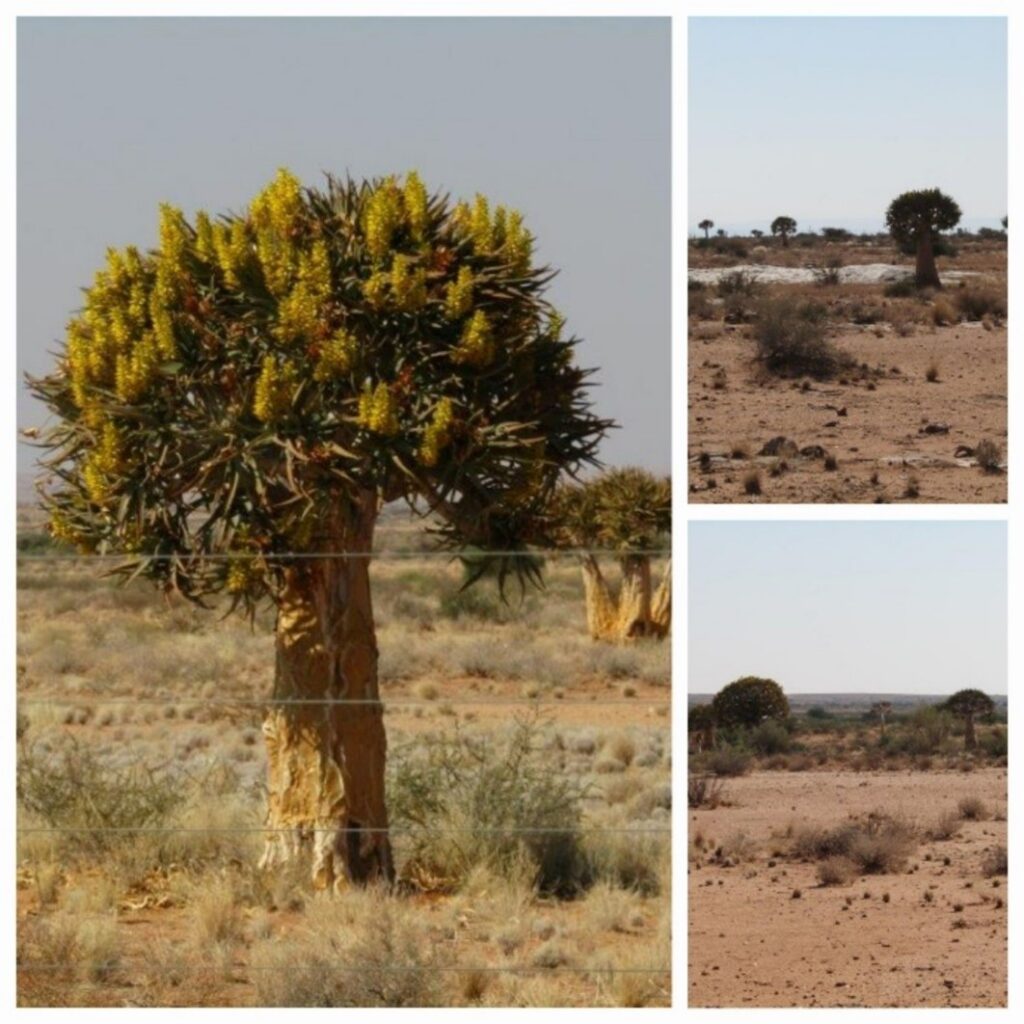
Namaqualand is well known for its Quiver Trees, which had started their annual bloom. Seeing these critically endangered giant trees flowering is a special experience, especially because they are one of South Africa’ s most spectacular and rare aloe species.

The Orange Charmers were spread out in the Free State and Eastern Cape.

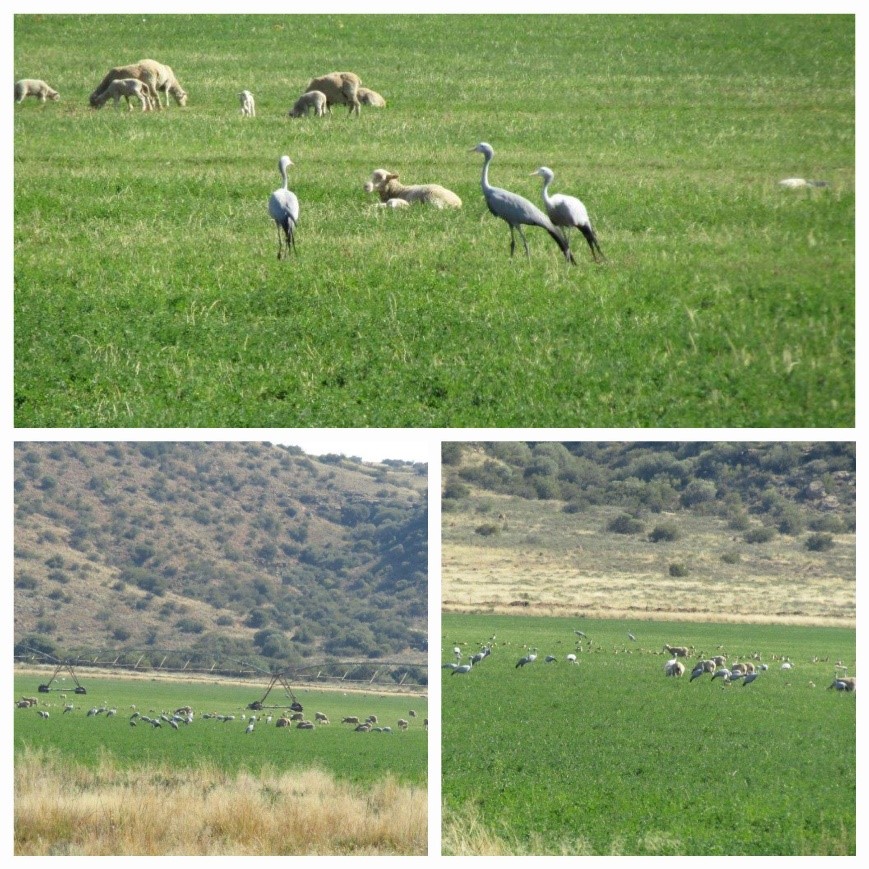
South Africa’ s national bird, the Blue Crane, is the world’ s most range-restricted crane. Although Ronelle did not see many Blue or Grey Crowned Cranes during her survey of the powerlines, she did come across this flock of more than 330 Blue Cranes on agricultural land near Venterstad in the Eastern Cape on her trip home.

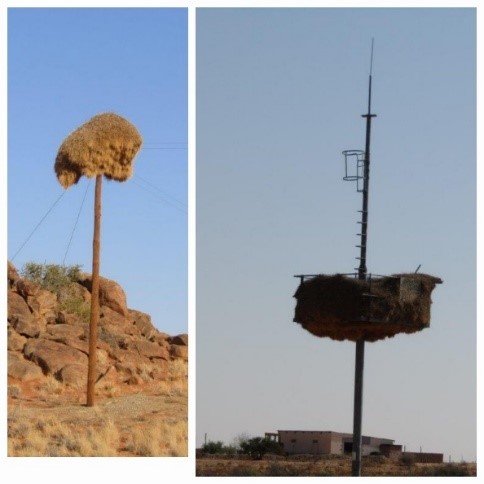
The drier western part of the Northern Cape is also very well known for its characteristic Sociable Weaver nests. Social Weavers typically build their nests in Camel Thorn trees, but also have a preference for bare manmade structures, such as telephone and electric poles. These huge nests of straw and grass can be seen for miles and are often home to colonies of more than 100 birds.

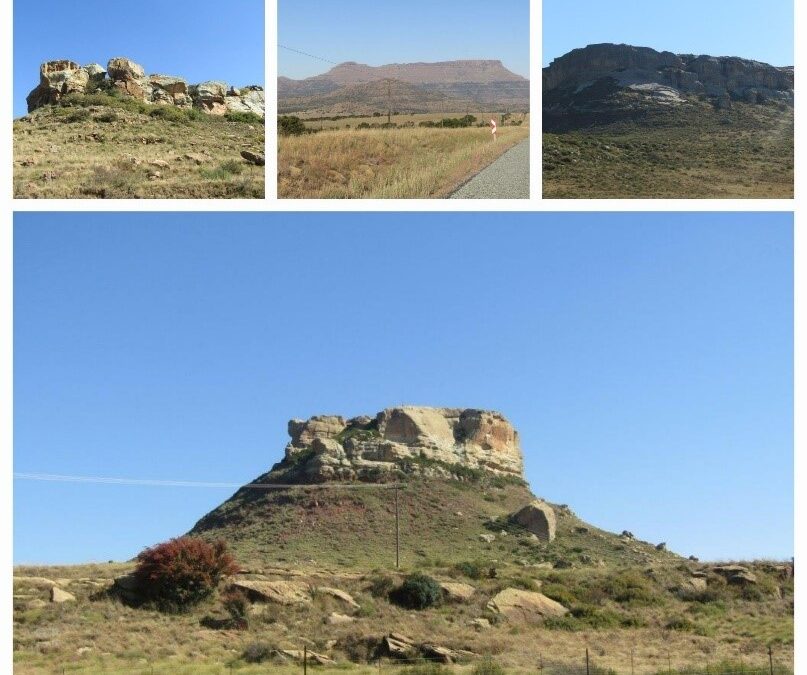
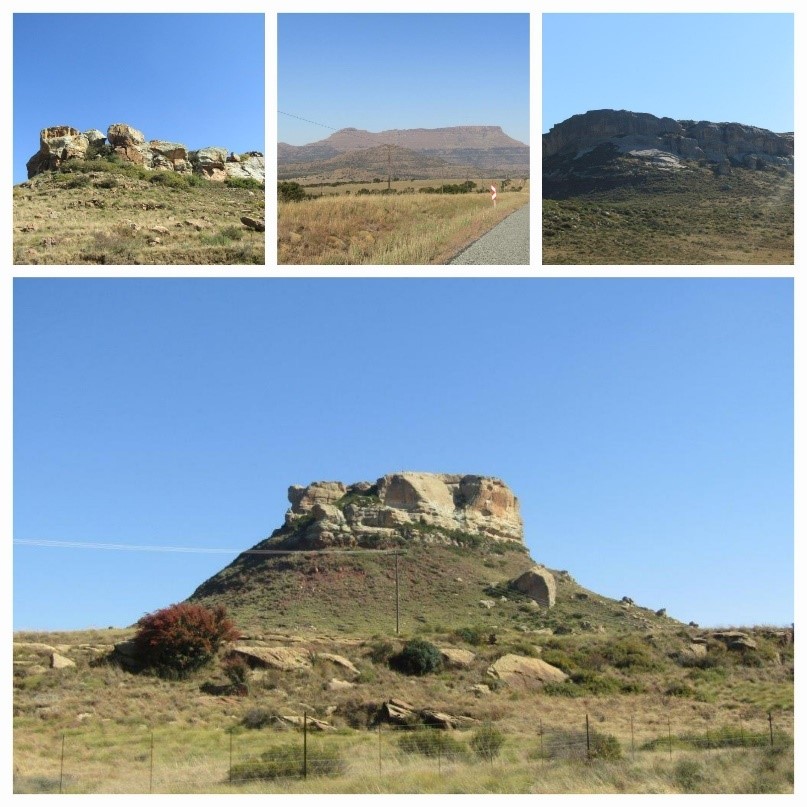
Travelling through the Eastern Cape you are able to view beautiful mountains and rock formations.