Safeguarding Medicinal Plants for Future Generations
Safeguarding Medicinal Plants for Future Generations
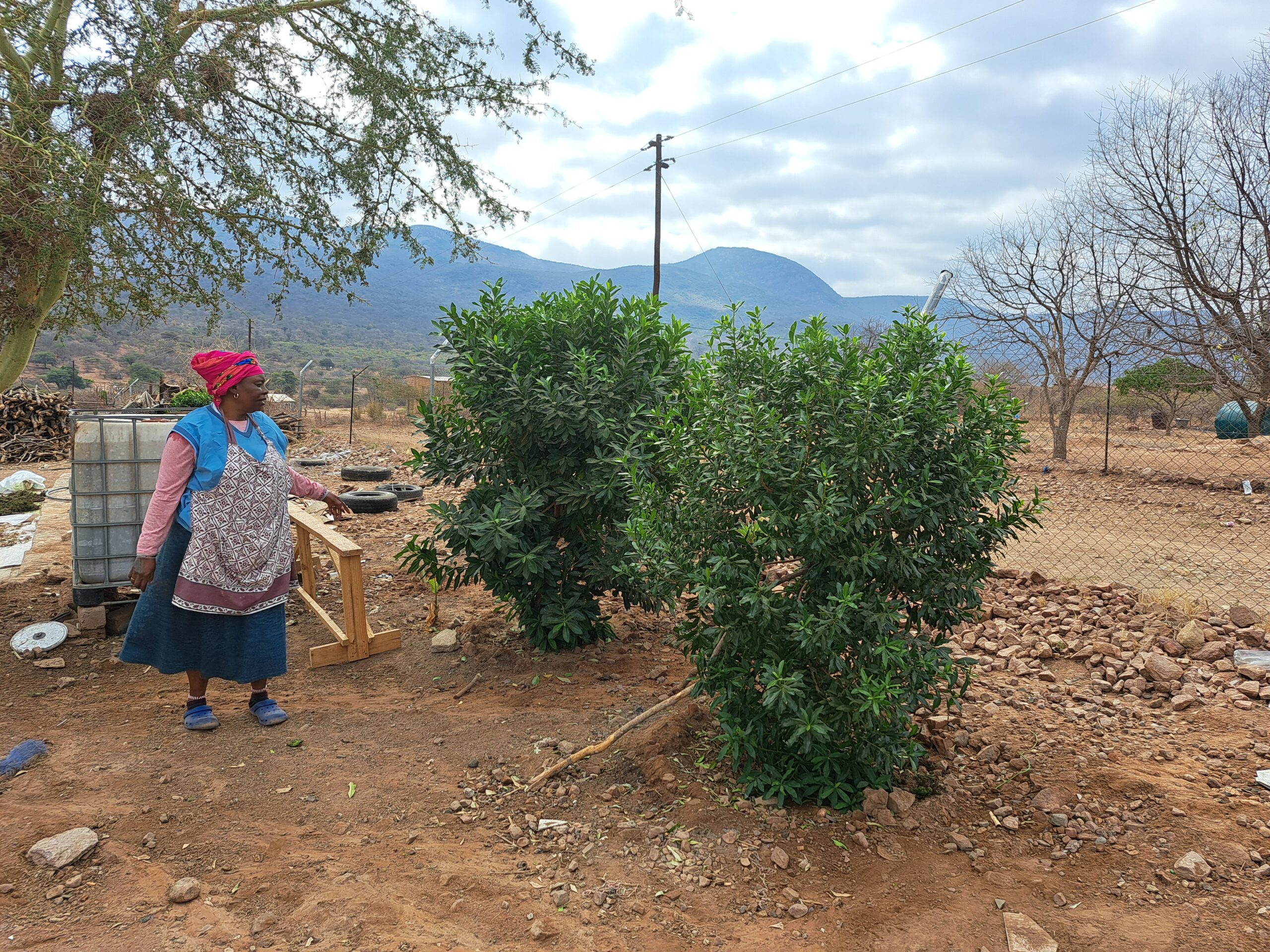
Pepper-bark trees thriving in traditional healers’ home gardens
Approximately 40% of the pharmaceuticals that are used in conventional medicine today are derived from plants, many of which were identified through traditional medicines that have been used by people across cultures and civilisations for millennia. Well-known examples of medicines sourced from nature include aspirin (Willow bark), quinine (Quinine tree), artemisinin (Sweet Wormwood), digoxin and digitoxin (Foxgloves), and codeine (Poppy), as well as atropine (Deadly Nightshade), among many others.
Traditional medicine encompasses a wide range of healthcare modalities that people have depended on for centuries. The World Health Organization describes traditional medicine as “the knowledge, skills and practices based on the theories, beliefs and experiences indigenous to different cultures, used in the maintenance of health and in the prevention, diagnosis, improvement or treatment of physical and mental illness”.
In South Africa, over 2,062 plant species are used in traditional medicine, with approximately 770 species recorded in markets across the country. Numerous wild plant populations are under severe pressure due to the high levels of harvesting combined with the loss or degradation of habitat. Two species are already extinct in the wild, and 80 species could become extinct in the short to medium term, while 100 are of conservation concern.
Since 2019, the Endangered Wildlife Trust (EWT) has been collaborating with landowners, traditional healers, traders, and harvesters in Limpopo Province to safeguard the Pepper-bark tree (Warburgia salutaris) and restore its habitat in the wild. The Pepper-bark is an evergreen tree in high demand for traditional medicine. As its name suggests, the bark and leaves of the tree taste like pepper or peri-peri. It occurs in a variety of habitats across Swaziland, north-eastern KwaZulu-Natal, Mpumalanga, Limpopo, Mozambique, Zimbabwe, and Malawi. Despite its wide range, the Pepper-bark tree is under severe pressure due to harvesting and the transformation and degradation of habitat through agriculture and other human activities.
To improve our understanding of the conservation status of the Pepper-bark tree, we conducted a survey of the wild populations as well as a seed viability assessment and germination trial. Although Pepper-bark trees coppice easily, seedling recruitment in some areas is severely curtailed through seed predation and low seed viability. The species’ ability to coppice allows local populations to survive, but limited sexual reproduction restricts genetic diversity, which can reduce resilience over time. In Limpopo, germination levels of seeds sourced from healthy trees in the project area were relatively high (70%) compared with those in other areas, and seed predation levels were lower, which bodes well for the survival of the populations at this stage. Continued monitoring is important to build on this baseline data and assess the species’ resilience under different conditions, including drought and potential climate change impacts.
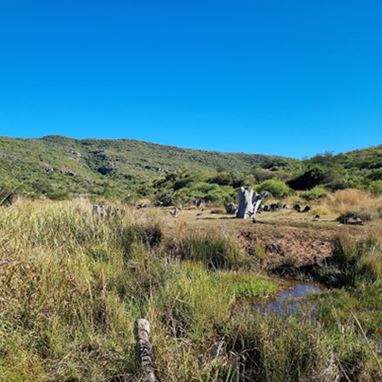
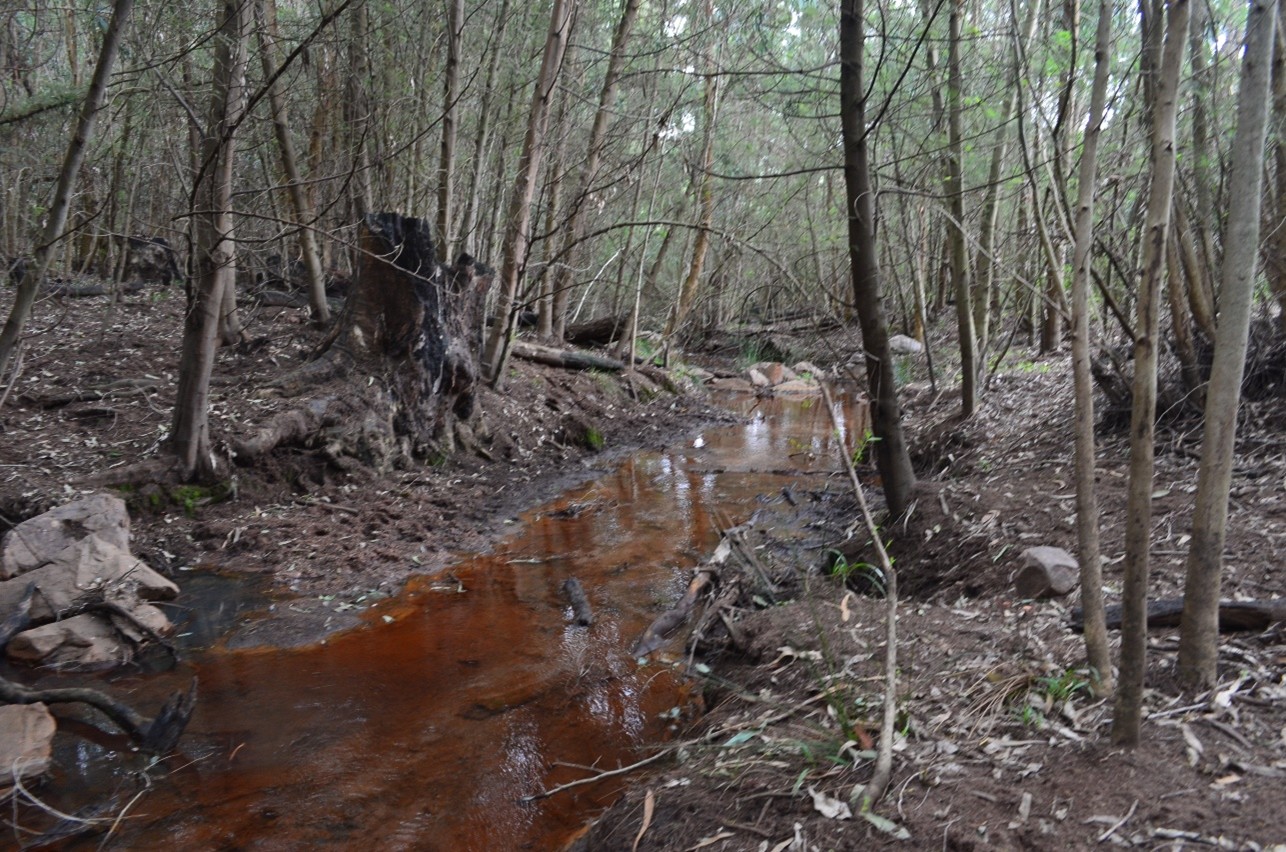
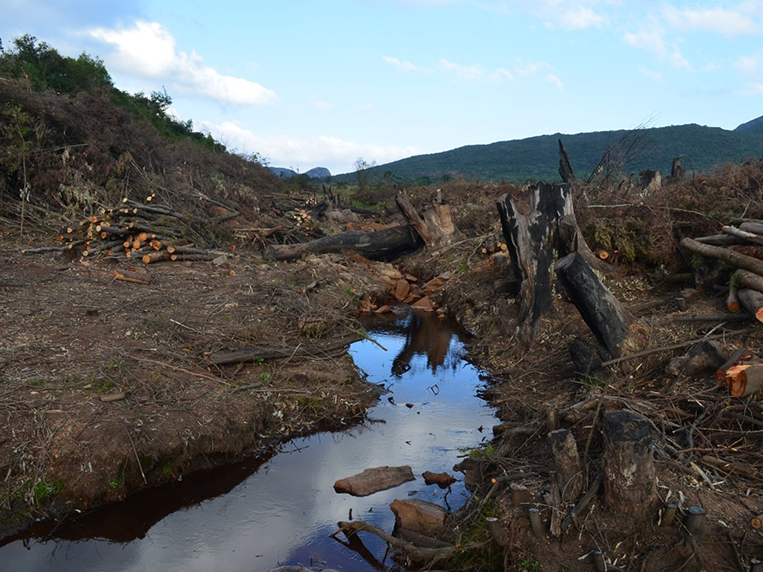
The EWT’ s team of rangers has also worked tirelessly to restore Pepper-bark tree habitat by clearing of over 60 hectares of land of alien and encroaching plants, resulting in seedlings observed on several of these sites for the first time in years!
While protecting plant populations in the wild is critical, it is equally important to ensure that people who rely on traditional medicine for their healthcare can source the plants that they need. Prior to the 1990s, numerous (unsuccessful) attempts were made to curb traditional medicine and combat its trade through law enforcement. Since then, conservationists have partnered with traditional healers and, more recently, traders and harvesters in markets to reduce pressures on wild populations while striving to ensure that people have access to the plants they need for traditional medicine. Over this period, conservation organisations, with the support of the private sector, have donated more than 80,000 Pepper-bark trees to traditional healers and communities, mainly in KwaZulu-Natal, Mpumalanga, and Limpopo. Similar initiatives are being implemented in Swaziland and other southern African countries.
The EWT is now working with traditional healers, traders, harvesters, and other growers to substantially expand the diversity and volumes of species for cultivation. We are also supporting communities in improving the management of wild medicinal plant populations and reducing illegal harvesting in their areas through better governance and controls that support the customary and traditional systems they are already implementing. Ongoing monitoring of wild populations is critical, along with forging strong partnerships with traditional healers, communities, and traders to protect this vital biocultural resource base for both current users and future generations.
___________________________
This work is funded through the Fondation Franklinia, Munich Re, and the UK Government through the Illegal Wildlife Trade Challenge Fund.
We would also like to acknowledge the SANParks – Kruger National Park Pepper-bark Conservation Programme for a donation of 2,000 Pepper-bark trees to the project. The SANParks – Kruger National Park Pepper-bark Conservation Programme has received support from SAPPI, the ARC, SANBI, SAEON, and the SANParks honorary rangers over the years.
Transport for this and other People in Conservation initiatives is made possible through the Ford Wildlife Foundation.
References
https://www.afro.who.int/health-topics/traditional-medicine
Williams V.L., Victor J.E., and Crouch N. 2013. Red Listed medicinal plants of South Africa: Status, trends, and assessment. South African Journal of Botany 86: 23—35.
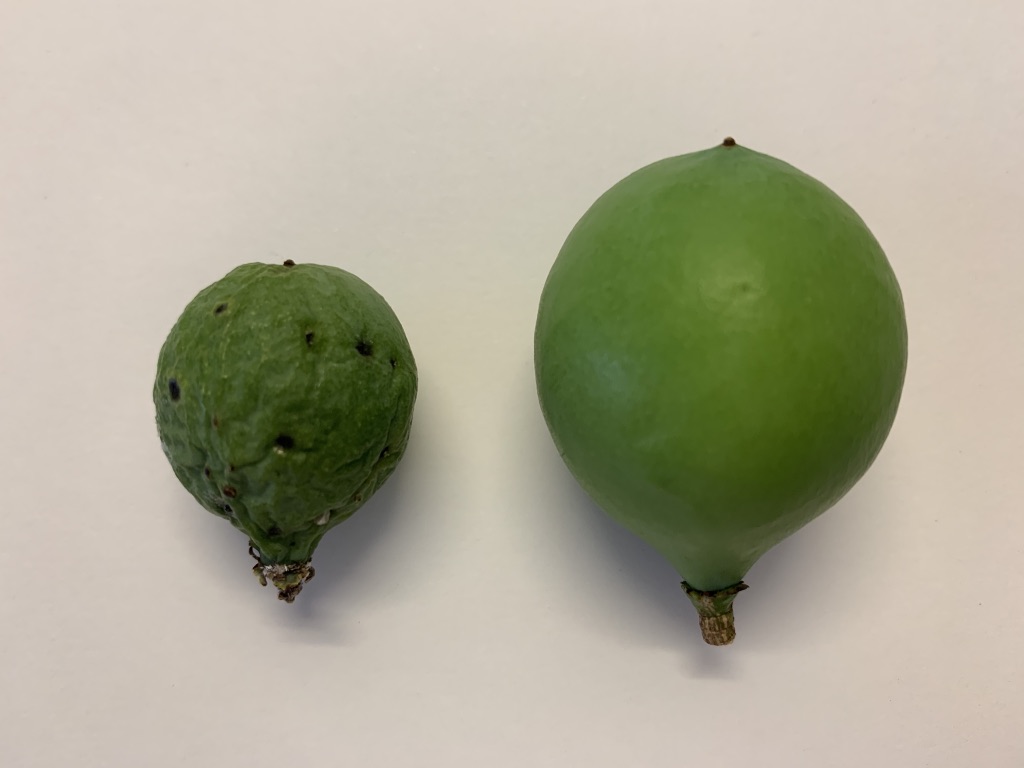
Parasitised Pepper-bark Tree fruit (left) and healthy fruit (right). Photo K. van den Bosch
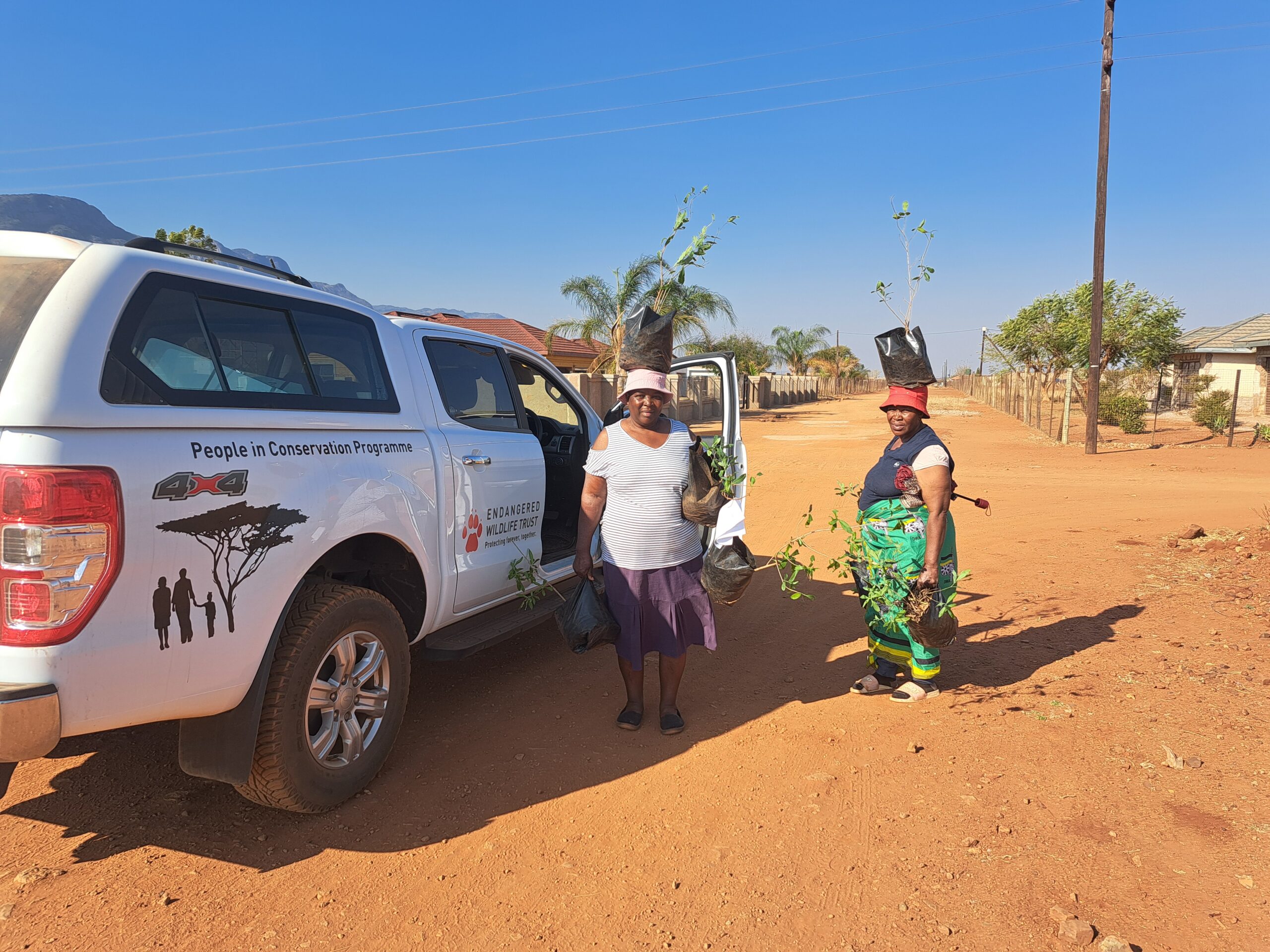
Pepper-bark Tree deliveries in Limpopo
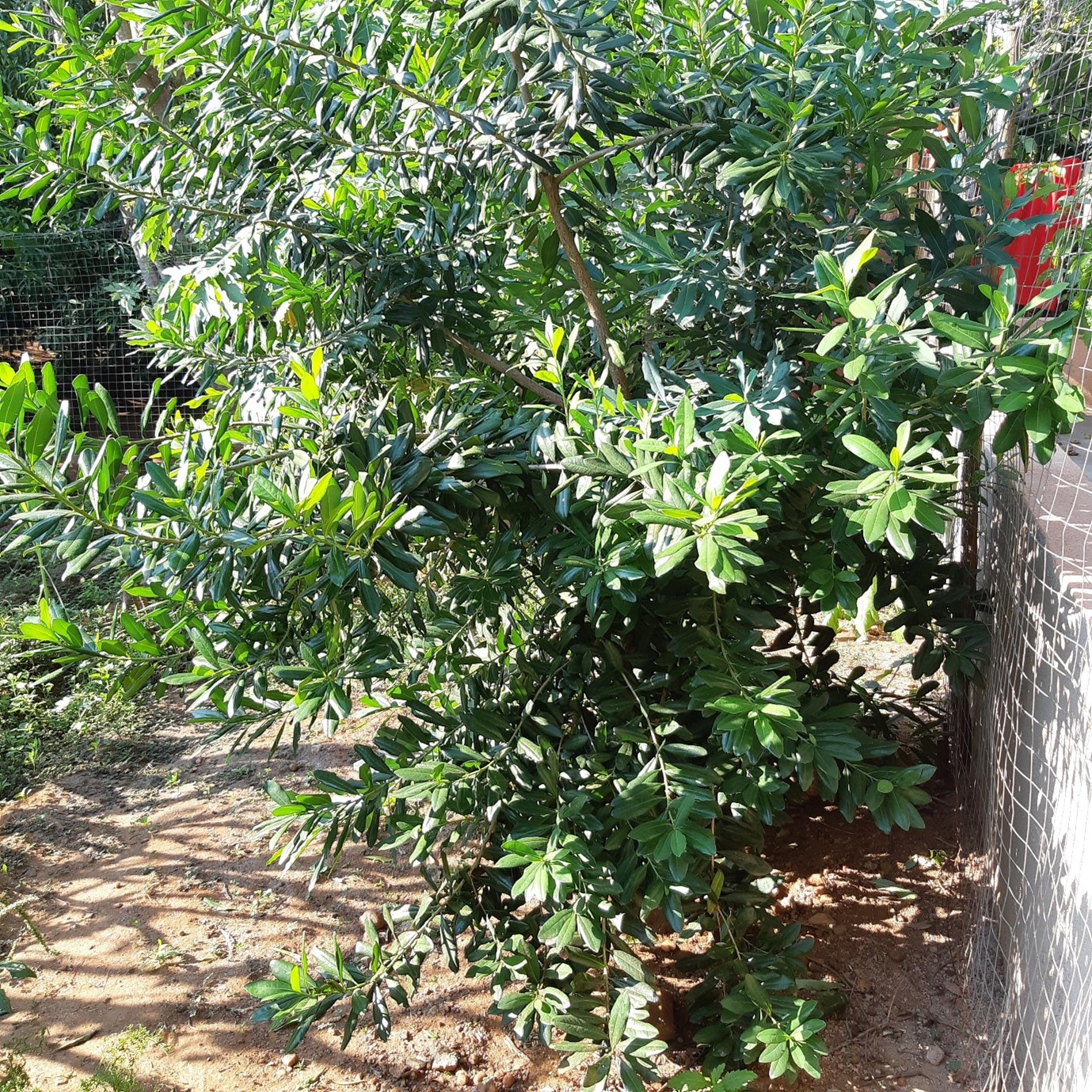
Pepper-bark tree thriving in traditional healers’ gardens 2