
Help protect Africa's 

Building internal capacity on biodiversity offsets

Building internal capacity on biodiversity offsets

In the Field

Building internal capacity on biodiversity offsets

By Neha Kooverjee, Sustainable Finance Officer – Endangered Wildlife Trust (EWT)
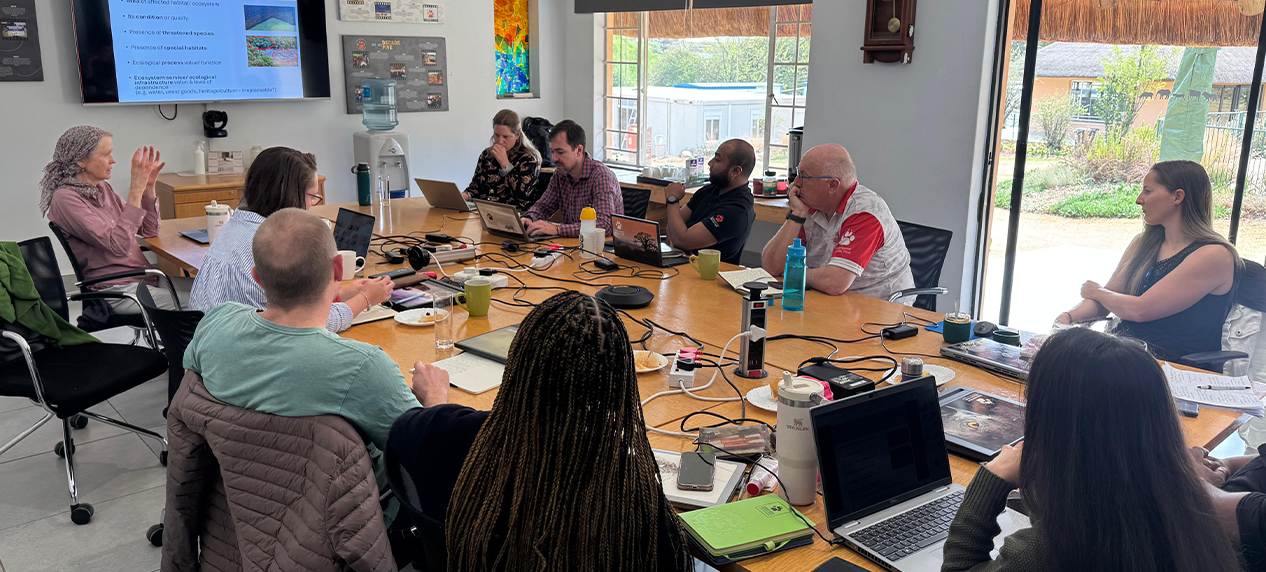
 

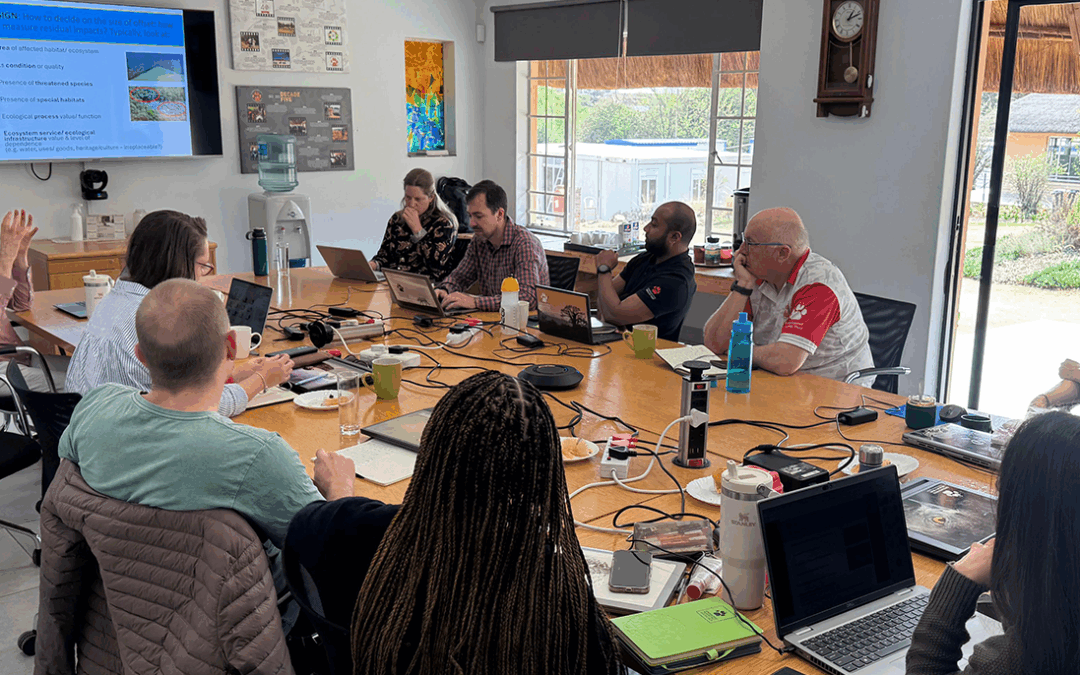
EWT team during biodiversity offset training workshop


In September, the Endangered Wildlife Trust (EWT) held an internal workshop and training session focused on biodiversity offset best practices and the potential for strategic offset banking.

Susie Brownlie, a global thought leader in biodiversity offsets and impact assessment for No Net Loss, facilitated the two-day session aimed at strengthening internal capacity and deepening alignment by unpacking the principles, challenges, and emerging opportunities of this important – yet often controversial – conservation approach.

Offsetting is the last resort in the mitigation hierarchy and is designed to compensate for significant, unavoidable residual impacts on biodiversity, including after every possible effort has been made by the developer to avoid, minimise and rehabilitate harm to biodiversity. It must not be used as a bargaining chip or license to justify destructive projects.

As with any tool, the design and application of offsets can either add genuine value to conservation or, if poorly managed, undermine the very systems they are meant to protect. Offsets, therefore, need to be carefully designed to meet the 10 core principles of best practice according to the Business and Biodiversity Offsets Programme. This includes like-for-like or better, additionality, no net loss (or net gain), long-term outcomes, and stakeholder participation.

The EWT is increasingly being approached to design and implement biodiversity offsets for developers. We are also exploring the potential of strategic offset banking – a proactive approach where biodiversity credits are generated in advance through habitat protection and/or restoration. These credits can then be sold to developers needing to offset their impacts in like-for-like areas. With potential projects and partnerships in the pipeline, this workshop was timeous in equipping relevant pack members with the necessary knowledge to design and implement offsets and offset banks according to best practice.

The workshop delved into the practicalities of implementing offsets, such as site selection, stakeholder engagement, financing mechanisms, and long-term management. It highlighted the risks of vague environmental authorisation conditions, insufficient budgets, and reputational damage if offsets fail to deliver meaningful conservation outcomes. It also underlined the benefits: that such investments can strengthen landscape resilience and water security against climate change; build trust with communities and regulators; demonstrate genuine corporate responsibility to shareholders and society; and leave a legacy of ecological and social benefits that extend beyond the life of a development project.

Key takeaways over the two days included the need for capacity building on the mitigation hierarchy and biodiversity offsets for project developers, financial institutions and provincial authorities to support effective design and implementation. Further, whilst conservation banking offers potential for more strategic, aggregated conservation outcomes, the location and potential demand need to be carefully considered. This is where the EWT’ s unique advantage in South African landscape planning and related spatial datasets is of great value.

The workshop reinforced the importance of a unified, informed approach to biodiversity offsets across the EWT: when guided by science, aligned with conservation priorities and implemented with rigour, they can secure ecologically critical habitats, mobilise private capital for conservation, and help achieve global biodiversity goals, such as protecting 30% of land and sea by 2030.

Whether we are acting as an implementing partner, advising on offset design, or driving development of offset banks, the EWT’ s credibility and impact depend on applying best practices and engaging with stakeholders transparently and ethically. The session laid the groundwork for future collaboration, advocacy, and innovation in this critical area of conservation, where we move beyond damage compensation to leaving our landscapes richer, more resilient and better prepared for the challenges of the future.
Beyond compliance: rethinking biodiversity offsets as catalysts for conservation

Beyond compliance: rethinking biodiversity offsets as catalysts for conservation

Beyond compliance: rethinking biodiversity offsets as catalysts for conservation

By Kishaylin Chetty – Executive: Head of Sustainability, Endangered Wildlife Trust


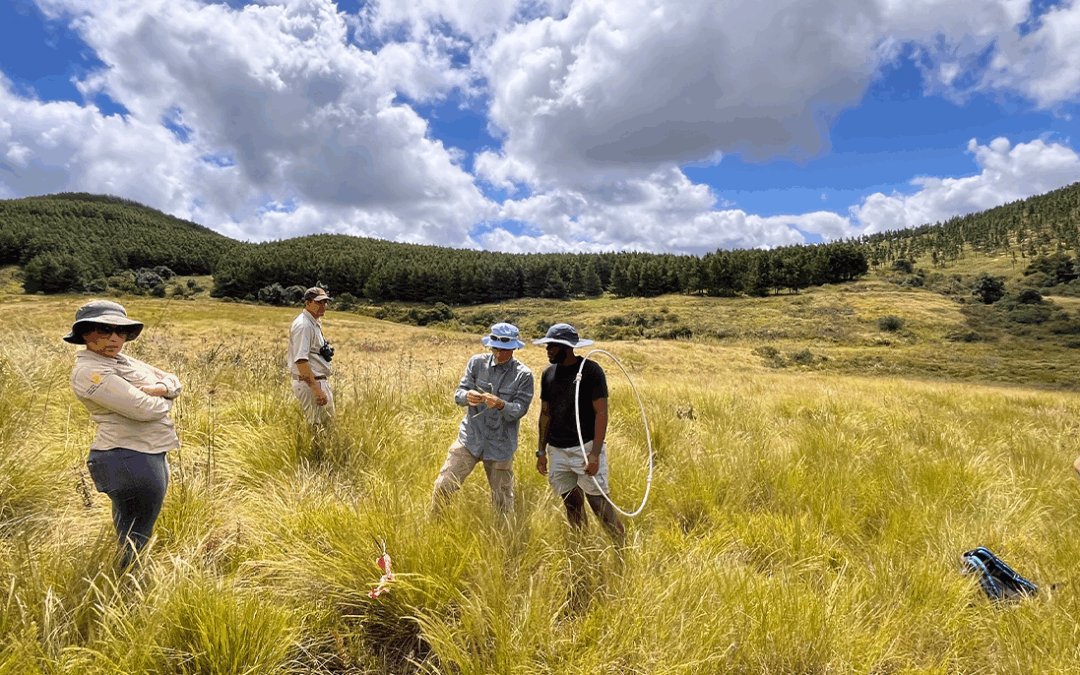
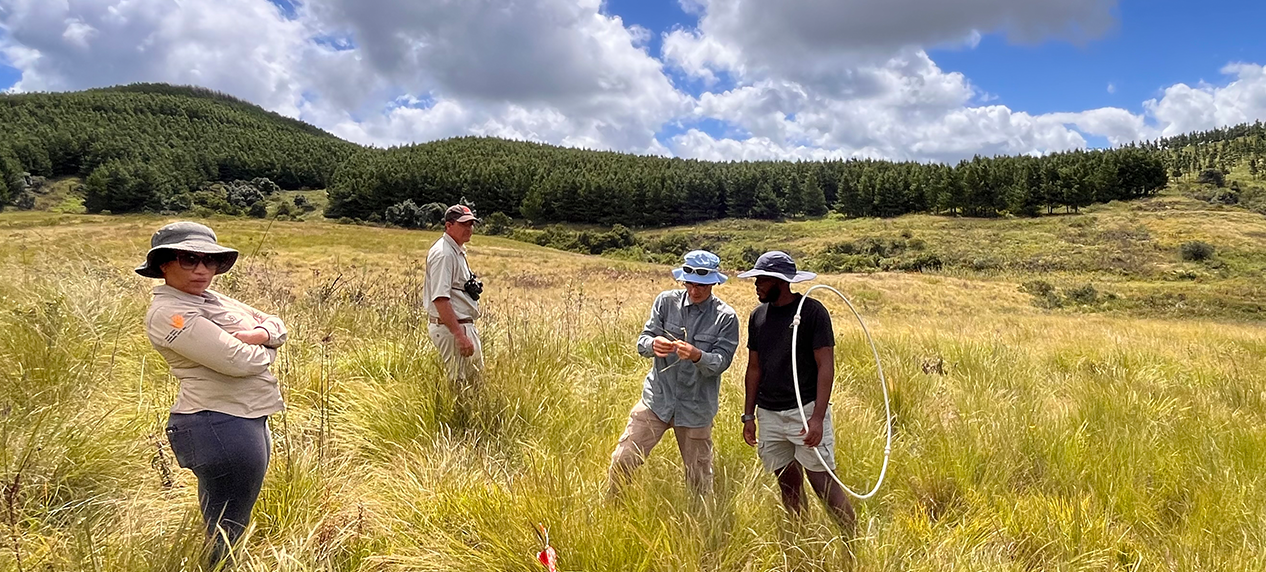
EWT ecologist conducting habitat assessment for offset planning

Biodiversity offsets have become an increasingly important tool in environmental governance in South Africa. They are often required in Environmental Authorisations or Water Use Licenses, when residual impacts on ecosystems cannot be avoided, minimised, or rehabilitated.

But as with any tool, the design and application of offsets can either add genuine value to conservation or, if poorly managed, undermine the very systems they are meant to protect.

At the heart of responsible environmental management lies the mitigation hierarchy: avoid, minimise, rehabilitate, and only then, as a last resort, offset.

Offsets are a form of compensation for biodiversity losses that remain after every possible effort has been made to avoid and reduce harm. Too often, this hierarchy is inverted in practice, with offsets presented as a bargaining chip to justify destructive projects. This approach risks weakening conservation outcomes. Getting this right means ensuring that offsets never replace avoidance, minimisation, or rehabilitation. Instead, they should only apply to residual impacts that are truly unavoidable. Anchoring offsets within the mitigation hierarchy ensures that conservation is not treated as an afterthought, but as an integral part of development planning.

Globally, there is consensus on core principles that should guide biodiversity offsets, and the Endangered Wildlife Trust (EWT) has long championed their application in South Africa. These include:

Like-for-like or better: Offsets must conserve or restore ecosystems of the same type and ecological value as those lost or achieve a demonstrably greater gain in ecological terms.

Additionally, where offsets must deliver conservation outcomes that would not have occurred without them, they must achieve beyond what is already required under law or existing commitments.  There needs to be permanence where offset sites are secured for the long term to ensure they are legally protected and financially resourced to prevent future degradation. Measurability is required where outcomes must be quantifiable, independently verified, and reported transparently,  and Equity is vital where offsets should align with local community needs, ensuring benefits flow to those living alongside conserved landscapes.

The credibility of offsets hinges on these principles. Anything less risks “paper offsets” that look good in authorisations, but fail in practice.

At the EWT, we believe that offsets must add genuine value to conservation, not simply “greenwash” development. We play a critical role in ensuring:

  • Offsets are aligned with national and provincial biodiversity priorities, designed for measurable outcomes, and developed transparently.
  • That offsets are costed and financially modelled to calculate the realistic, long-term costs of securing and managing offset sites, avoiding the collapse of initiatives once short-term project funding ends.
  • Offset projects bring together ecologists, ESG specialists, lawyers, community specialists, and financial modelers to ensure commitments on paper translate into long-term conservation in practice.
  • That we work with government and private sector partners to strengthen guidelines, ensuring biodiversity offsets are consistent, enforceable, and credible.

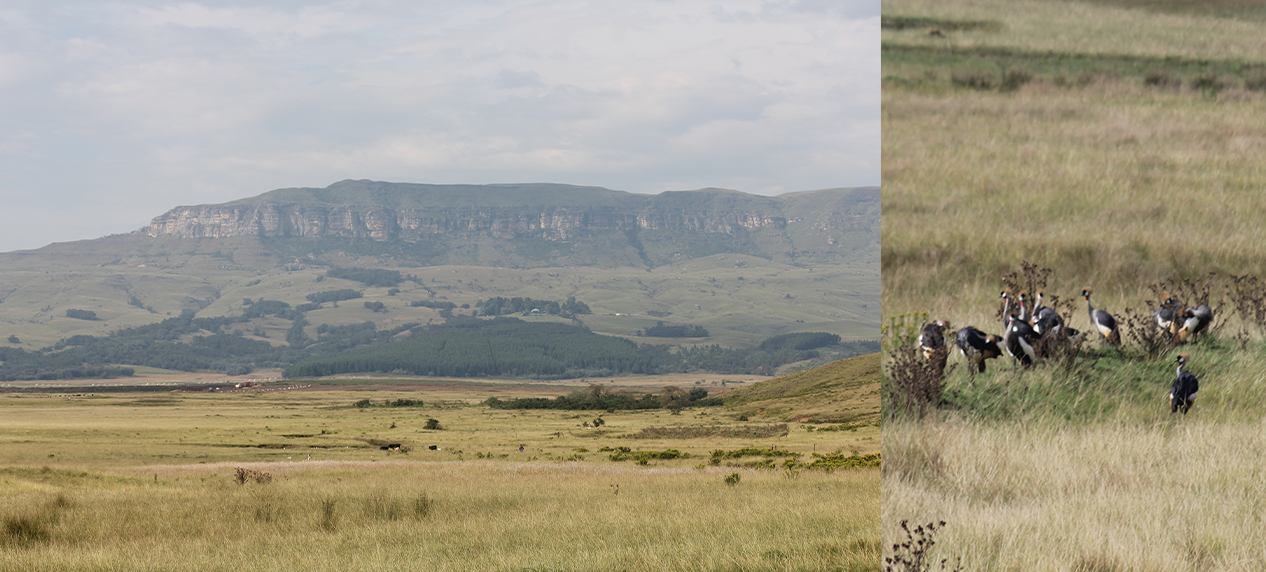
Wetland restoration project site representing biodiversity offset success in South Africa

Wetland restoration project site representing biodiversity offset success in South Africa

Importantly, biodiversity offsets should never be seen as a license to destroy. They are a last resort within the mitigation hierarchy. But equally, the legal requirement to implement offsets should not discourage developers from investing in positive conservation projects outside of regulatory obligations. This is where true leadership lies. Companies can and should go beyond compliance by voluntarily supporting conservation action, even when not mandated.

Such investments can strengthen landscape resilience and water security against climate change; build trust with communities and regulators; demonstrate genuine corporate responsibility to shareholders and society; and leave a legacy of ecological and social benefits that extend beyond the life of a development project.

Positive conservation action does not only mitigate harm, but it also actively enriches the landscapes in which businesses operate.

Offsets, when poorly designed, risk becoming tick-box exercises that fail biodiversity. But when guided by science, aligned with conservation priorities, and implemented with rigour, they can secure ecologically critical habitats, mobilise private capital for conservation, and help achieve global biodiversity goals, such as protecting 30% of land and sea by 2030. The challenge now is to shift from vague conditions and under-enforced authorisations toward a system of accountable, bankable, and conservation-driven offsets. If South Africa gets this right, biodiversity offsets will not just compensate for damage, they will leave our landscapes richer, more resilient, and better prepared for the challenges of the future.
Ultimately, legal compliance should be the minimum. The real opportunity is for developers to embrace conservation as a shared responsibility, going beyond what the law requires, and becoming true partners in safeguarding Africa’ s natural heritage.