Help protect Africa's 

South Africa’s Natural Heritage Needs Support

South Africa’s Natural Heritage Needs Support

South Africa’s Natural Heritage Needs Support

Eleanor Momberg


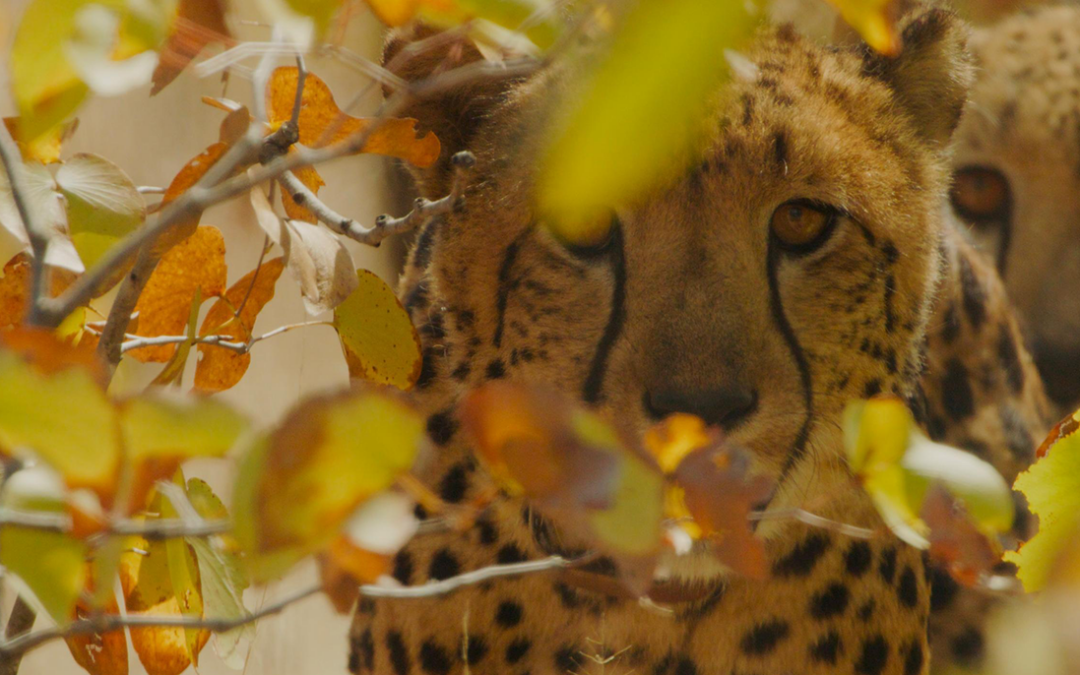
Threatened African carnivores protected through conservation efforts in South Africa

South Africa’s natural heritage requires a commitment from all to ensure that it is protected for future generations.

Without a healthy environment, neither people, plants or animals would survive.  This includes the protection and conservation of valuable water resources, the air we breathe and the soil required to sustain life.

Key to South Africa’s natural heritage are species under threat of extinction.  African Wild Dogs, Cheetahs and Lions are part of the living heritage that makes Africa unique.

“These species are deeply connected to our identity and to the landscapes for which Africa is internationally recognised. They are also important components of healthy, functioning ecosystems. Protecting them is therefore about much more than saving individual animals – it is about protecting the natural systems and wildlife that future generations should inherit,” says the EWT’s Carnivore Conservation Unit manager, Derek van der Merwe.

The EWT’s work to protect threatened wildlife has carnivore conservation as an important part of our history.

“Through the Carnivore Conservation Unit (CCU), we have spent decades combining science, field conservation, technology and partnerships to understand populations, reduce threats and create safer, connected landscapes for carnivores.

“This long-term investment is now delivering tangible results. As populations of African Wild Dogs and Cheetahs have increased in South Africa, our work has evolved from protecting remaining populations to helping restore species to areas from which they have been lost,” says van der Merwe.

The fenced reserve cheetah population has increased by an average of 8.8% annually since 2012. Last year it increased 19%. There are some great stats in the conservation matters article that Kelsey made in April! But it is important to note that increases has only really occurred in South Africa’s managed fenced reserves (metapopulation) outside of that it has been declining.

The contribution of each of the three species to South Africa’s heritage is evidenced through the presence of lions, Cheetah and African Wild Dog not only folklore and storytelling, or in symbols, but of all three species in art, tourism and in the country’s conservation identity.

While lions are symbols of strength, leadership, courage, and wilderness across Africa,   Cheetahs are Africa’s most iconic speed specialists representing open landscapes and ecological processes that have defined African savannas for thousands of years. African Wild Dogs, as one of Africa’s most unique and Endangered carnivores,  are know for their extraordinary social structure, cooperation, and family bonds making them a distinctive part of Africa’s natural identity.

Lions, Cheetahs and African Wild Dogs belong to our landscapes, our stories, our sense of identity, and our shared responsibility to future generations. Protecting them is about ensuring that the next generation inherits a wild Africa, not just memories of one.

These are species that require support through individual, group and national actions, including awareness, direct conservation and resource allocation.

Saluting rangers protecting wildlife and conserving nature

Saluting rangers protecting wildlife and conserving nature

Saluting rangers protecting wildlife and conserving nature

By Eleanor Momberg


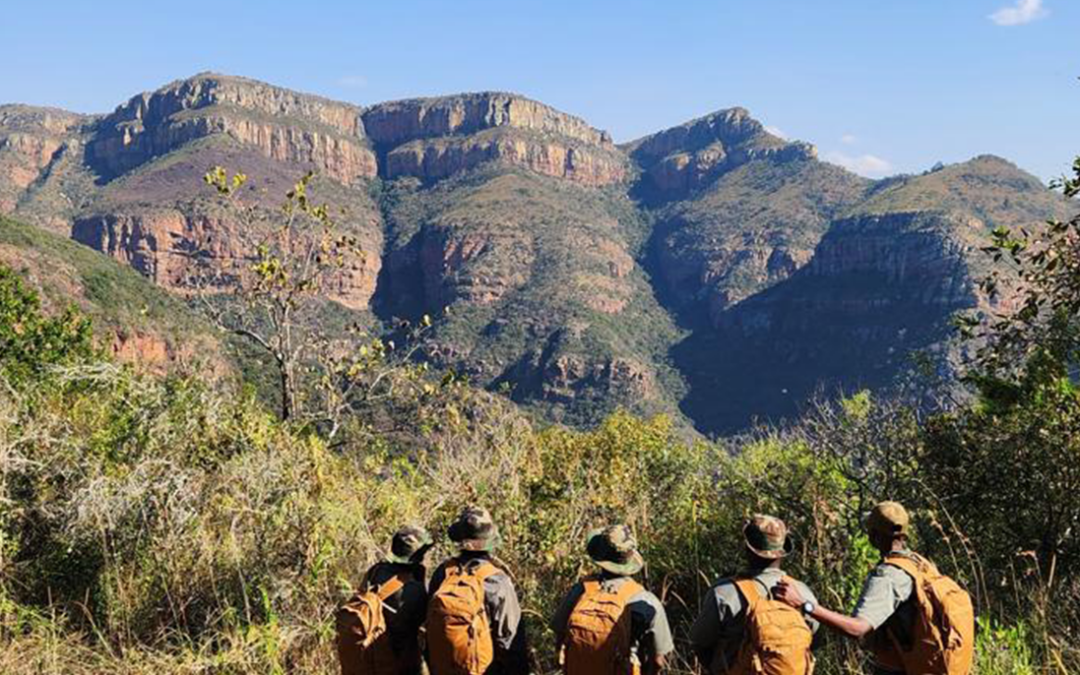
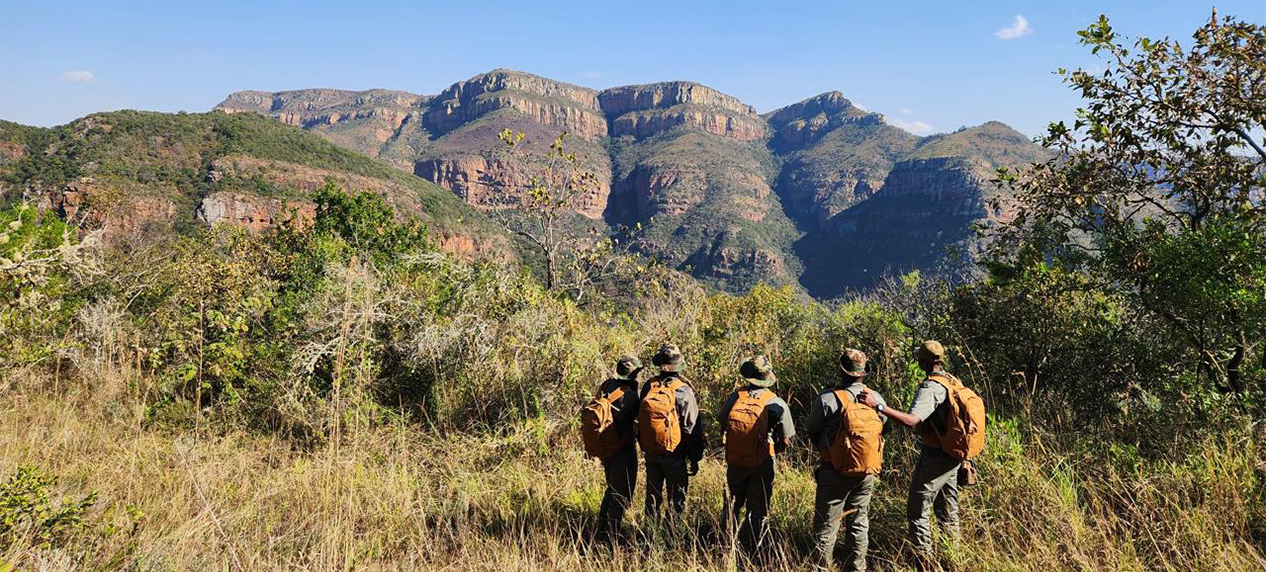
EWT rangers patrolling protected landscapes to safeguard South Africa's threatened wildlife.

As nature’ s guardians, most rangers are not only the first line of defence against wildlife crime, but also protectors of a fragile and changing environment.

Working at the forefront of conservation of species and habitats, these passionate individuals often give up valuable personal time to ensure wildlife is protected from criminals, be they poachers or illegal harvesters of threatened plant species.  They also spend critical hours removing invasive alien species, burning firebreaks to safeguard infrastructure, assisting with management burns to achieve specific ecological goals, and guiding guests to ensure an absolutely unforgettable visit to nature, among a multitude of other tasks.

On 31 July, the Endangered Wildlife Trust (EWT) joined rangers across the globe to mark World Ranger Day; a day on which rangers worldwide remember honour colleagues who have lost their lives in the line of duty.  This year’ s theme A Legacy of Protection, Courage, and Service recognised that rangers are working in a world defined by climate extremes and biodiversity loss, increasing human-wildlife conflict, organised wildlife crime, and shifting social and political landscapes.  Amid these challenges, rangers continue to safeguard the future of our natural world. On the 20th anniversary of World Ranger Day, the EWT honoured its newly-appointed Threat Protection Rangers and Restoration Rangers, alongside the team of rangers at the Medike Nature Reserve.

While one team of rangers is focused on addressing, and preventing, wildlife crime, their colleagues are focused on improving the habitats in which people, plants and animals, live and prosper.
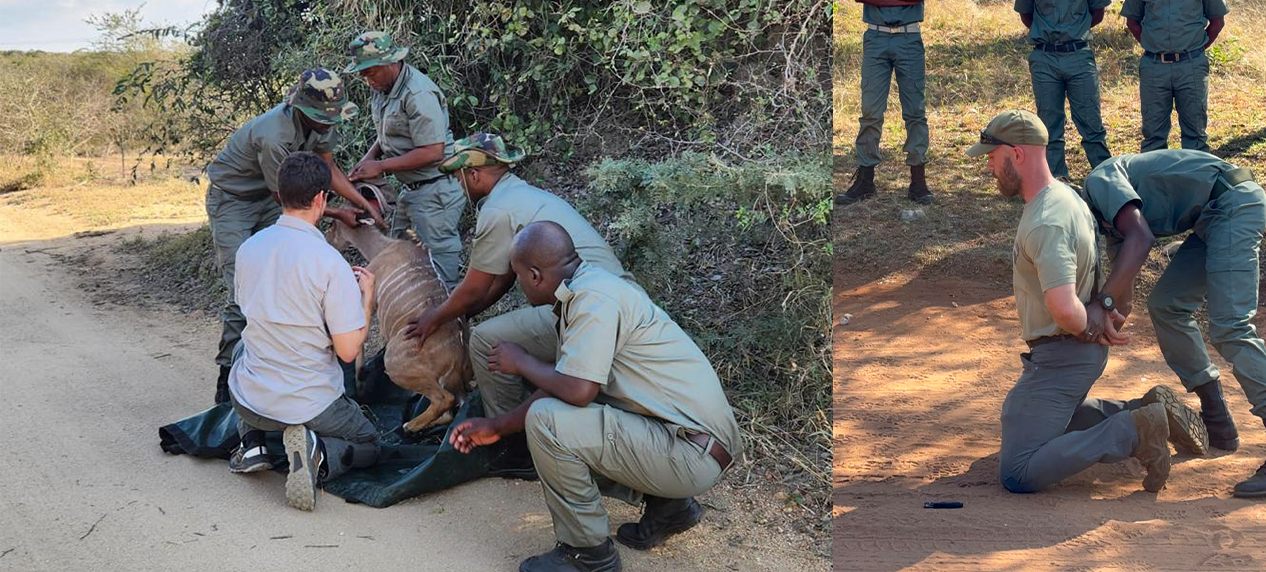
EWT rangers patrolling protected landscapes to safeguard South Africa's threatened wildlife.

Threat Reduction Rangers

Illegal wildlife-related activities are placing mounting pressure on already vulnerable wildlife populations while simultaneously posing significant security risks to people living and working within affected landscapes.

To mitigate wildlife crime within the Greater Kruger area of Limpopo, the Endangered Wildlife Trust has appointed five Threat Reduction Rangers to reduce illegal wildlife activities.  This includes snaring in the Greater Kruger area in northern Limpopo – a buffer zone to the west of the Kruger National Park, and Great Limpopo Transfrontier Conservation Area.

The team, comprising a head ranger and four rangers, undertake regular patrols, remove snares, record illegal activity, monitor high-risk areas using camera traps and share information with landowners and conservation partners so that threats can be timeously detection and addressed immediately.

Thus Unit helps protect both wildlife and people. By removing snares and reducing illegal activities, endangered animals are saved, healthier ecosystems are supported, and wildlife crime is prevented from spreading into protected areas. At the same time, it improves safety for landowners and local communities through better monitoring, coordination, and a stronger presence on the ground.

In the Greater Kruger area, snaring for bushmeat represents one of the most pervasive and persistent threats. This indiscriminate and illegal hunting method has intensified in recent years, reaching unsustainable levels across southern Africa.

To address this, the EWT’ s Threat Reduction Unit now delivers a coordinated, intelligence-driven response across property boundaries in an effort to halt the escalation of snaring, safeguard threatened wildlife populations, ensure human safety and reinforce the integrity of the Greater Kruger conservation system.

The project being undertaken in potentially high-risk areas prioritises community and privately-owned land where enforcement capacity is limited, and thus vulnerable to illegal wildlife activities.  The present focus is encourage these  landowners and communities to participate in the initiative.

To achieve our conservation goals, we have partnered with the Kevin Richardson Foundation. Soldiers for Wildlife and Van Niekerk Wildlife have provided ranger traising, with additional support being received from the Scales Conservation Fund, Phalaborwa Natural Heritage Foundation and Kendra Carano.
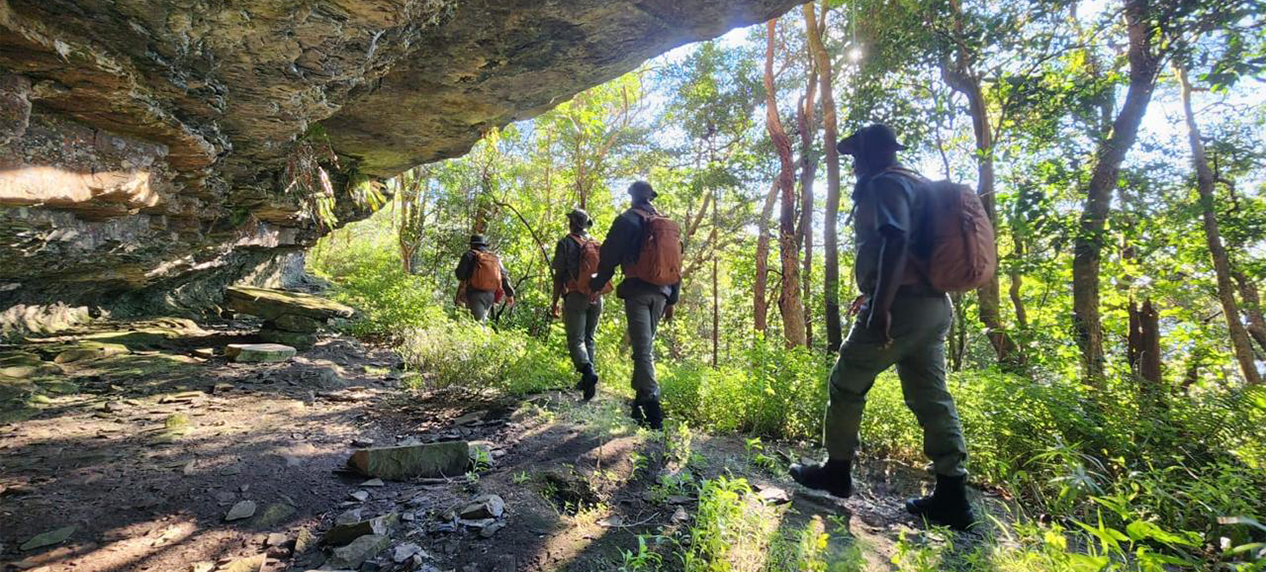
Restoration Rangers working to restore natural habitats and protect biodiversity.

Restoration Rangers

In the heart of the Soutpansberg is a team of Restoration Rangers protecting the landscape and restoring it back to health, one tree at a time.

The EWT’ s Restoration Rangers are working to reverse decades of environmental degradation caused by invasive alien plants. Their daily work often includes hiking on steep, inaccessible, remote mountain slopes carrying all their equipment and safety gear up to 8 kg per person.  The specialised team focuses on removing invasive trees and plants that threaten one of South Africa’s most biologically diverse landscapes.

The Soutpansberg is recognised as one of the country’s unexplored biodiversity hotspots, supporting an extraordinary diversity of plants and animals, many of which occur nowhere else on Earth. However, invasive alien plants, particularly water-thirsty eucalyptus trees that take up to 260 litres per day, reduce streamflow, outcompete indigenous vegetation, increase wildfire intensity, and degrade vital habitats.

The Restoration Rangers are helping to change this trajectory. Through strategic invasive plant control, follow-up clearing, wetland restoration, road and trail maintenance, and ongoing monitoring, they are restoring ecological processes that allow indigenous ecosystems to recover naturally. Their work contributes to healthier catchments, improved water security, greater resilience to climate change, and stronger habitat connectivity for wildlife.

This team consists of young people from neighbouring communities who receive practical ecological restoration training while gaining valuable work experience and developing skills that contribute to South Africa’s growing restoration economy.

Over the past year alone, the team has removed thousands of invasive plants across priority conservation areas, restored ecologically sensitive wetlands, maintained critical access routes for landowners and conservation partners, and supported collaborative restoration efforts across the Western Soutpansberg Nature Reserve. Every invasive tree removed represents more water remaining in the landscape, improved habitat for indigenous species, and another step towards restoring ecosystem health.

As the impacts of climate change intensify, ecological restoration has become one of the most effective nature-based solutions available. Investing in restoration rangers means investing in water security, biodiversity conservation, disaster resilience and sustainable rural livelihoods.
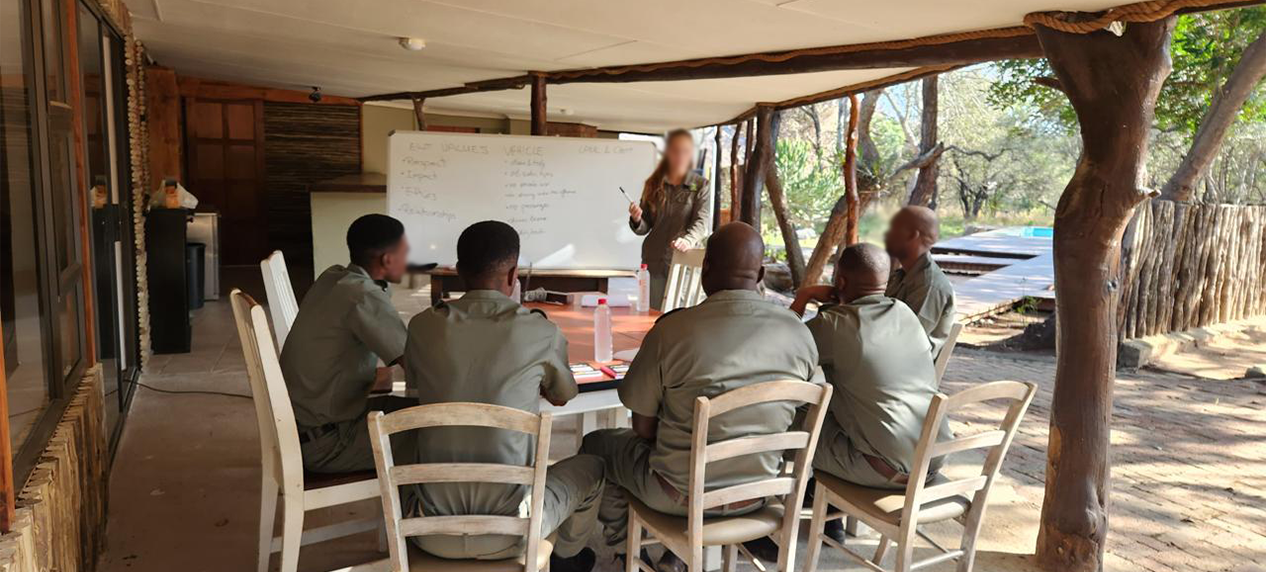
Endangered Wildlife Trust rangers working together to conserve wildlife and restore ecosystems.

Medike Rangers

 At the EWT’ s Medike Reserve in the Soutpansberg,  three rangers and four conservation interns are engaged in work that rangers from de=snaring and anti-poaching patrols, to monitoring, invasive alien species removal, road and accommodation development and maintenance, guest hospitality and guiding.

While many rangers are recognised for protecting wildlife on the frontlines against poaching, this group of conservation champions is quietly restoring ecosystems that sustain both biodiversity and people.

Rangers are the custodians of our natural heritage. Whether protecting endangered wildlife or restoring degraded ecosystems, their work is essential to safeguarding South Africa’s biodiversity and supporting the communities that depend on healthy landscapes.

This World Ranger Day, the EWT celebrates not only the bravery of rangers protecting wildlife but also the determination of those restoring ecosystems from the ground up. Their work reminds us that conservation is about more than protecting what remains – it is about restoring what has been lost and ensuring healthy landscapes for future generations.

The EWT extends its sincere gratitude to its funding partners, landowners, community members and conservation collaborators whose continued support makes this work possible.


Who are the EWT’ s Restoration Rangers?

The Restoration Rangers have as their focus habitat restoration  in the heart of the Soutpansberg Mountains in Limpopo, there they are working to reverse decades of environmental degradation caused by invasive alien plants. Their daily work often includes hiking on steep, inaccessible, remote mountain slopes carrying all their equipment and safety gear up to 8 kg per person.  The specialised team focuses on removing invasive trees and plants that threaten one of South Africa’s most biologically diverse landscapes. Their work contributes to healthier catchments, improved water security, greater resilience to climate change, and stronger habitat connectivity for wildlife.

Richard Ndou is from Elim Varry Village in Limpopo.  Speaking to Conservation Matters,  Richard said he had chosen a job in restoration to help eliminate invasive alien species from the area around his village.  His involvement in the EWT’ s habitat restoration initiative in the Soutpansberg has not only benefited his family financially, but also raised awareness within his community about the threats of invasive alien species.

“l chose a restoration job, because all around the Soutpersberg area villages are struggling with water because of alien plants such as massive tall trees like Blue Gums. They are highly intrusive and are disturbing the water table, because it can absorb around 260 litters per day.”

Besides saving water, Richard is also committed to saving wildlife from the “high amount of poaching all over the world”.

Since being employed by the EWT, he has learnt to identify invasive alien plants and how to control these, how to protect wildlife.

“Plants are important for feeding and trees are important for medicine. The importance of restoration saves life because we are also sharing information in the community so that they know more about restoration,”  he said.


Willington Mavhandu from Kutama Village joined the Restoration Rangers because of the struggle faced by villages across the Soutpansberg to access water resources limited by alien invasive species.

“These trees are highly water intensive and they are disrupting local water tables…so that is why I chose to be a ranger to save animals and water,” he said.  “I learned that animals and plants are very important and have a right to live”.

Willington believes that because of his work and learning, he is able to share information with his community of “the importance of restoration to save life”.

“I believe there is more future for Restoration Rangers as there is a lot of work to be done all around the world. Everyone is impressed with the work we are doing. My family and I are benefitting a lot with support, knowledge and training from EWT and we are willing to work harder and harder,”  said Willington.


Michael Sithagathaga is from Khavhambe village.  He joined the Soutpansberg Restoration Rangers  to learn new skills in conservation and to use his energy to fight things like erosion, bushfires and invasive plants.

“I want to protect our heritage,” he said.

“Since I joining the ranger team, I learnt lot about conservation, how to identify invasive plants, control bushfires, do anti-poaching patrol and also work as team spirit, take care of equipment.  My is important because we are protecting the Soutpansberg mountains. This area gives us clean water, fresh air and home for wildlife,”  he said.

Michael believes there is a future for Restoration Rangers in South Africa, and around the world.  “Yes there is a future. South Africa is dealing with drought, floods and erosion, so restoration of land and rivers is one of the main ways we can fix for next generation”.

His employment by the EWT team, he said, has a number of benefits for him, and his family.

“As a restoration ranger, it has helped my family a lot. I’m able to provide food, pay transport for school and also supply my family with skills and knowledge about how to take care of nature and water,”  said Michael.


Sengani Ramalamula also hails from Khavhambe Village and joined the Restoration Rangers because wants to conserve wildlife.

During his time in the ranger unit, he has learnt to “solve problems continuously”.

Sengani believes his new role as a Restoration Ranger is important because it helps rebuild native habitat and “helps support households through community development and land rehabilitation”.

“There is a powerful, essential future for Restoration Rangers because nature always needs repair.  Through this project I am able to understand conservation, wildlife and support my family financially,”  said Sengani.


The EWT’ s Field Rangers at Medike reserve

The Medike Reserve in the Soutpansberg boasts three full-time field rangers and four conservation interns.   The team has a variety of responsibilities as field rangers, such as law enforcement & monitoring which includes patrols, snare removal, and anti-poaching,  hiking trail support on the Old Salt Trail, veld fire control, invasive alien plant removal and infrastructure maintenance that includes plumbing, building and road revamps.   This team also does environment awareness in the local community and among tourists, ensure the accommodation is ready for visitors, interpretive guiding and dealing with guests.

The full-time team are:

Oscar Musevhula is one of the longest serving staff members at Medike. He has been working in the Medike East area for 14 years, and is an active member of the anti-poaching team. Oscar is handy man, he helps the reserve with plumbing and building.

Khathutshelo Mukhumeni has been trained as a law enforcement field ranger. He is also handy man. He has been active in conservation guardianship and law enforcement. He recently developed an interest in field guiding and is supporting our hikes. Khathutshelo is also capacitating conservation interns on anti-poaching, snare removal and the basic skills of field guiding .

Micheal Modimana  has been involve in alien plant removals and snare removal. He is the main Kubota TLB driver during roads maintenance. He is also our slackpacked driver during the old Salt Trail.

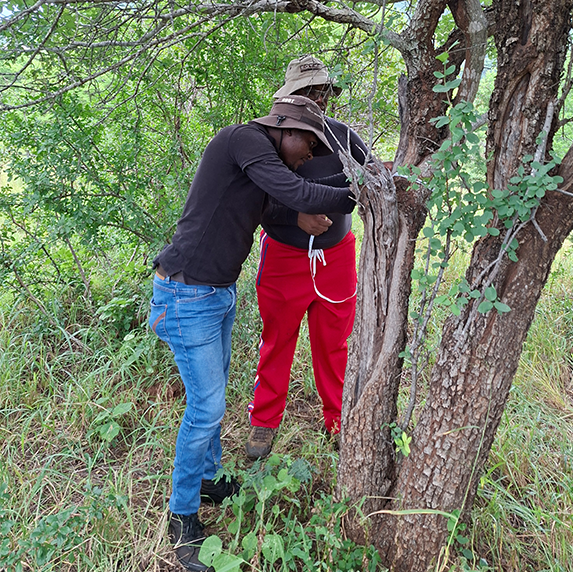
Securing the Future of Medicinal Plants Through Community Action

Securing the Future of Medicinal Plants Through Community Action

Securing the Future of Medicinal Plants Through Community Action

By Jenny Botha, Phomelelo Malatji, and Lufuno Konanani


For millions of South Africans, traditional medicine is not an alternative form of healthcare — it is a trusted source of healing and wellness, and is often practiced alongside conventional medicine. Nearly 60% of South Africa’ s population depend on traditional healing practices, many of which depend on medicinal plants that have been used for generations.

Historically, these plants were harvested within systems of customary law that protected both the species and the knowledge associated with them. Seasonal restrictions, spiritual protocols, and community oversight helped ensure that harvesting remained sustainable. Trees such as the Baobab, Marula, and Leadwood, were regarded as sacred and could only be cut after permission was granted and cultural rituals performed. In many areas, sacred groves were protected so strictly that only designated spiritual leaders could enter them.

Today, medicinal plants face unprecedented pressure due to high demand, limited access to land and natural resources, the loss of natural vegetation, and constrained enforcement capacity. Many traditional harvesting areas have effectively become open-access sites, increasing the risk of overharvesting and resource depletion. At the same time, areas that support wild medicinal plant populations continue to be transformed by urban expansion, agriculture, mining, and other development activities. These challenges are compounded by historical socio-political and economic inequalities that led to loss of access to land and natural resources, placing growing pressure on the remaining wild medicinal plant resources and the communities that depend on them.

The consequences are becoming increasingly apparent. Approximately 178 South African medicinal plant species are listed on the IUCN Red List of Threatened species. The potential loss of these species not only threatens biodiversity; it also undermines a vital health care system, livelihoods, and our biocultural heritage. Conservationists increasingly recognise that medicinal plant conservation cannot succeed through law enforcement alone. Traditional Health Practitioners (THPs), traders, harvesters, local leaders, and communities are essential partners in safeguarding these species.

Lasting impact also requires coordinated action that protects wild plant populations while sustaining access to these healthcare resources. Since the late 1980s, various conservation organisations have implemented cultivation initiatives to support THPs access sustainable sources of medicinal plants, in certain instances with the support of private sector partners.

To contribute to these efforts, the Endangered Wildlife Trust (EWT) is collaborating with the South African Biodiversity Institute (SANBI) and the University of Venda as well as THPs, communities, and other stakeholders to develop practical, long-term solutions that support both sustainable use and the conservation of medicinal plants.

Our approach incorporates four main pillars:

  • Creating reliable, legal sources of medicinal plants through the scaling of cultivation and other culturally appropriate measures
  • Monitoring and improving the management of wild plant populations
  • Supporting local leaders and communities to strengthen harvesting controls and governance
  • Facilitating the sharing of knowledge of biodiversity and wildlife legislation
 
Scaling cultivation 

Following extensive engagement with THPs and other stakeholders, the EWT co-developed a medicinal plant cultivation training course with horticulturalists from SANBI. Since its launch, we have co-hosted seven workshops in Gauteng, Limpopo, and KwaZulu-Natal, often in partnership with regional conservation officials.

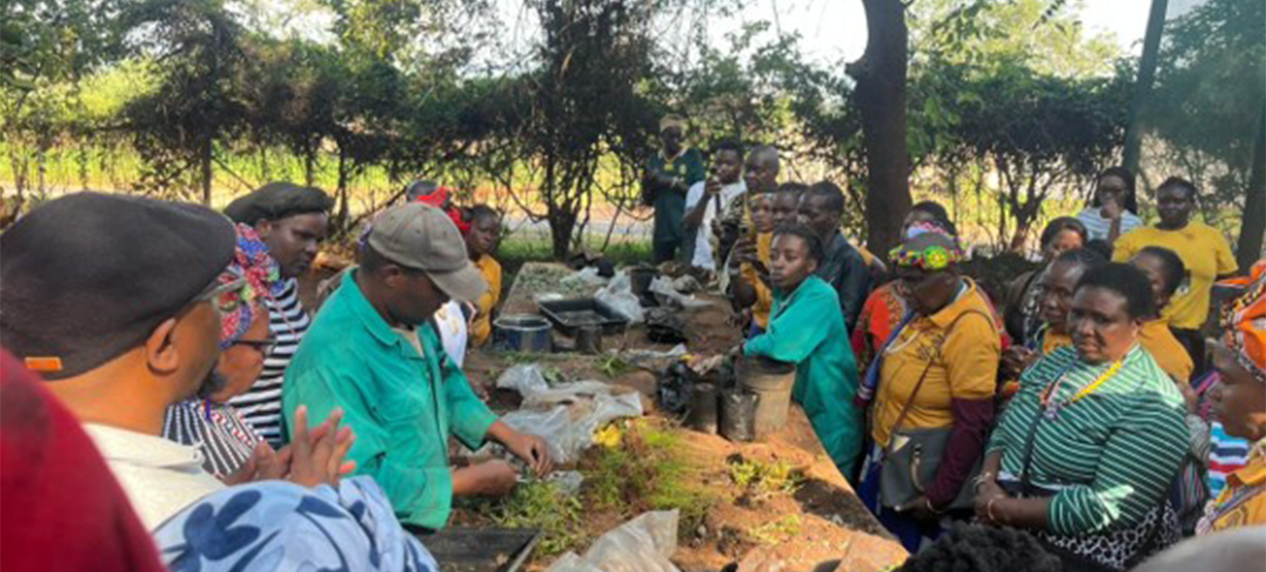
Participants learn site preparation, propagation techniques, soil and water management, and the basics of wildlife legislation. Each receives a starter pack containing tools and seedlings, followed by ongoing mentorship through field visits and social media support groups. Additional seedlings are provided in follow up visits. Our goal is to provide each participant with a diverse selection of species to enable them to start cultivating as many of the plants they need as possible.

Feedback has been extremely positive, with THPs and other community members sharing photos and feedback of their plants’ growth through social media, as well as any challenges that they might be experiencing.

In the words of a Gauteng participant,

“Siyafunda ukutshala ukuze izingane zethu zingasahlali zithatha yonke into ehlathini”

(“We are learning to cultivate so that our children will no longer need to take everything from the forest.”)

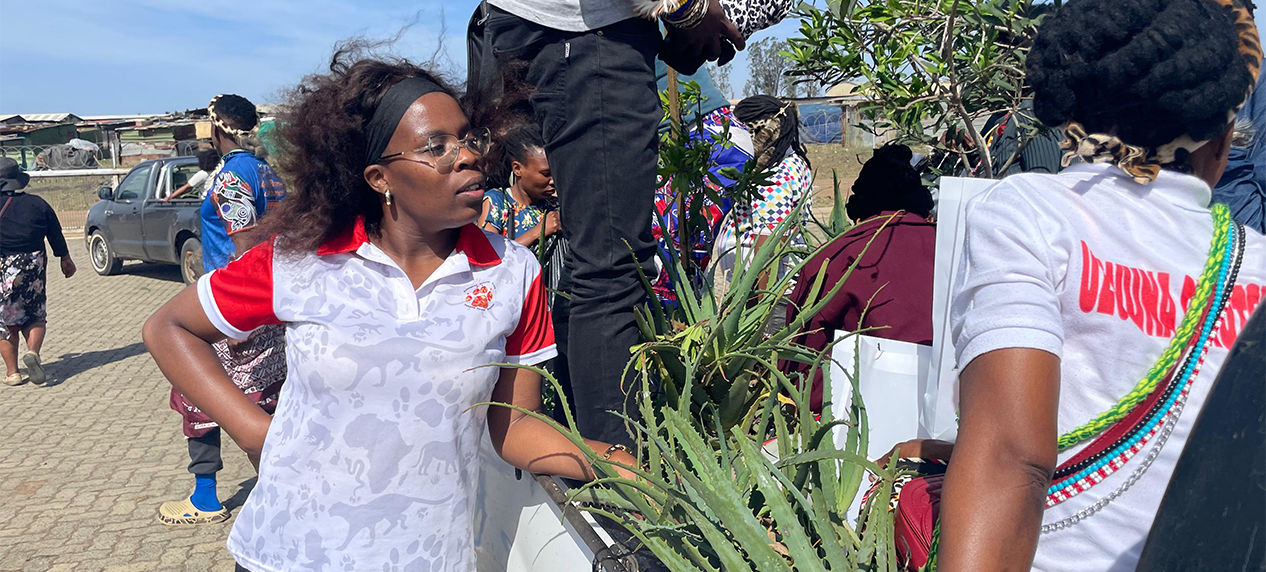
Traditional Health Practitioners learning to cultivate indigenous medicinal plants during an EWT and SANBI training workshop.

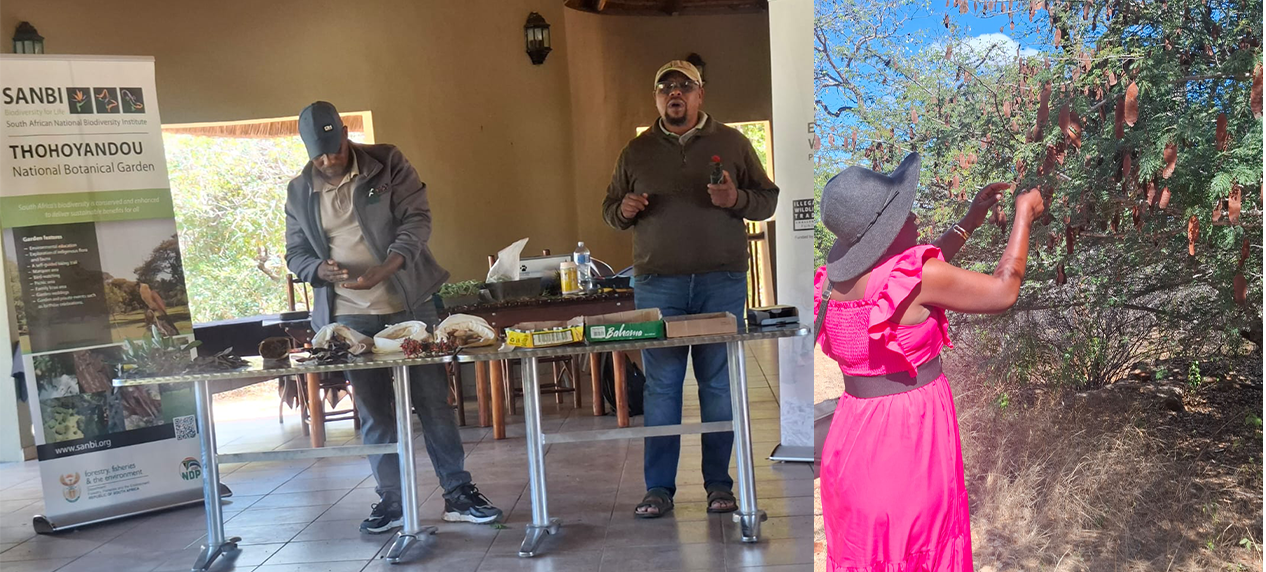
Rhofiwa Netshituni and Rhofiwa Radzilani from SANBI provide participants with guidance during a practical session in a three-day medicinal plant cultivation training course

Left: Lufuno Konanani from the EWT providing theoretical training to a group in Limpopo. Right: Collecting seed during a cultivation training course.

Since many consumers rely on traditional medicine as an affordable and accessible healthcare option, cultivation efforts must not lead to major price increases. This can be challenging as conventional cultivation costs can be high. To avoid this, we encourage growers to plant through low cost, organic agroforestry approaches at their homesteads wherever possible, rather than establishing expensive nursery-based production systems. This reduces cultivation costs, aligns with cultural practices, and promotes natural integrated pest management and other approaches that reduce the need for synthetic pesticides or inorganic fertilisers.

A THP from KwaZulu-Natal summed up the approach:

“Uma sikwazi ukuzikhulisela lezi zitshalo emakhaya ethu, siyakwazi ukuvikela imvelo futhi sisize imindeni yethu ngesikhathi esifanayo.”

(“If we can grow these plants at our homes, we can protect the environment while supporting our families at the same time.”)

While cultivation contributes to the protection of species an ongoing access to plants, it will take time to grow sufficient volumes of the wide range of species that are used in traditional medicine. This means that plants will continue to be harvested in areas that they occur naturally. If species at risk are to survive into the future, we need to reduce the impacts of harvesting on natural populations and, in many areas, improve the management of their habitats.


Improving the management of naturally occurring medicinal plants

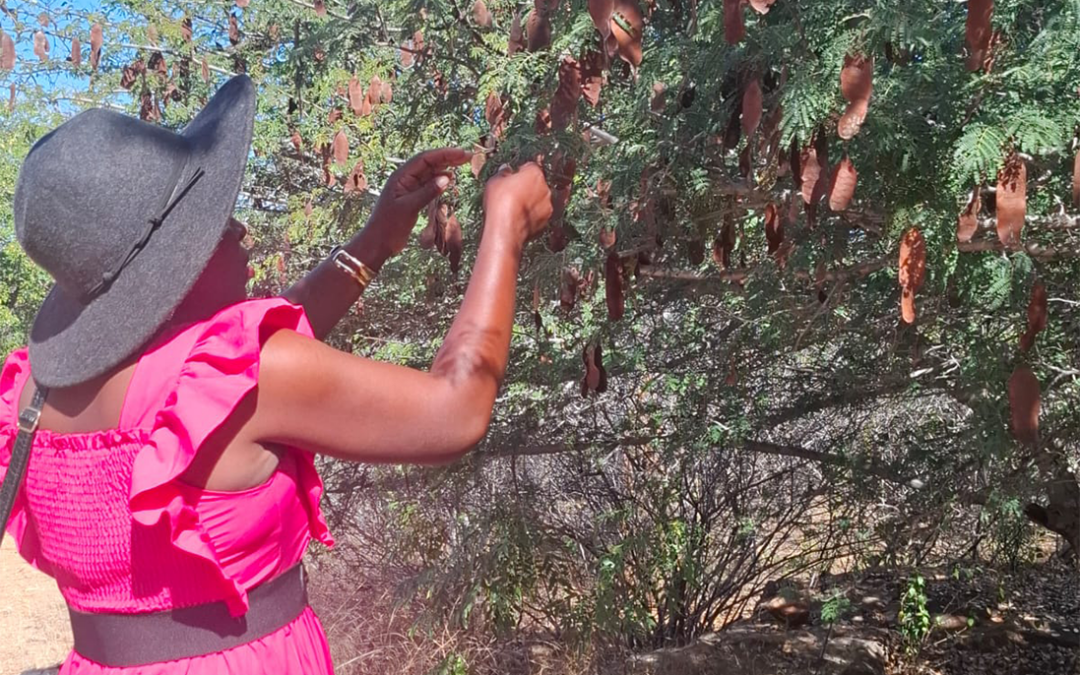
In Limpopo, the EWT is working with harvesters, two students and their supervisors from the University of Venda to assess the impacts of harvesting on medicinal plant populations growing near a village on a major transport route. The area is vulnerable to regional and cross-border trade, making this an important conservation priority.

Traditional medicine and biodiversity conservation brought together through medicinal plant cultivation initiatives.

Assessing the impact of harvesting on medicinal plants growing in Limpopo


Preliminary findings offer cause for both concern and opportunity. On some sites, clear efforts have been made to harvest responsibly by cutting limited amounts of bark or root from individual trees. On a neighbouring site, however, trees have been heavily harvested leading to several mortalities.

So far, twelve medicinal plant species have been assessed, four of which are legally protected.  These are Mountain aloe, Bushveld saffron, Tamboti and Transvaal red milkwood. The Bush Saffron is listed as Near Threatened on South Africa’ s Red Data List.

Over the next two months, we will expand our assessments to harvested sites on two reserves, including a community-owned reserve in Limpopo, where local leaders have requested support in managing unsustainable harvesting occurring on their land.


Rebuilding local stewardship

Legal harvesting requires permission from the landowner and, where protected species are involved, the appropriate permits. Permit requirements may apply to the collection of plants, plant material, seeds, and other propagation material, and certain activities may be regulated to ensure sustainable use and conservation.

Although harvesters still often seek permission from local leaders before accessing natural resources, this does not always occur. Many community leaders face considerable challenges in managing harvesting pressures, not only for medicinal plants but also for fuelwood, building materials, and other natural resources. In the past, conservation and forestry officials played a more active role in supporting sustainable resource use through regular patrols, monitoring, and compliance measures. Today, state agencies are severely under-resourced, short staffed, and responsible for extensive geographic areas, reducing their capacity for support. At the same time, many THPs and other community members are simply unaware that certain species are protected or that particular harvesting practices may be unlawful.

To help bridge this gap, the EWT is facilitating discussions with local leaders, THPs, communities, police officials, and conservation authorities in several highly biodiverse areas. In March 2026, a workshop aiming to explore the impact of wildlife offences and raise awareness of legislation in Limpopo brought together community members and law enforcement officials to identify practical ways of improving compliance without eroding livelihoods.

The active involvement of local leaders and communities is essential to the success of this approach. Equally important is building a shared understanding of the threats facing medicinal plants and other natural resources, while raising awareness of relevant legislation and the broader social and environmental impacts of wildlife offences. Achieving lasting change requires a creative and collaborative approach that strengthens stewardship and resource management, supports effective local controls, and promotes fair and accountable systems of governance.


A shared responsibility

Conserving medicinal plants is about more than preventing the decline of species. It is about rebuilding and safeguarding the connections between people, culture, health, and the natural world, and ensuring that these relationships continue to benefit future generations.

Addressing the threats facing medicinal plants requires a multi-faceted approach, grounded in an understanding of the sociocultural and market dynamics that influence their use and trade, and a commitment to balancing conservation with the needs of the people who depend on these resources. This longstanding, complex conservation challenge cannot be addressed by a single organisation acting alone. Lasting success depends on collaboration, shared stewardship, and a commitment to ensuring that medicinal plants remain available to support health, livelihoods, cultural practices, and biodiversity for future generations.

“Medicinal plants connect biodiversity to daily life in a very direct way.

When a species disappears, we lose more than a plant.

We lose knowledge, livelihoods, and part of our cultural heritage”

– Lungisani Zondi, SANBI


Bringing Cheetah Back to the Greater Luangwa Ecosystem: A Landmark Step for Conservation in Africa

Bringing Cheetah Back to the Greater Luangwa Ecosystem: A Landmark Step for Conservation in Africa

Bringing Cheetah Back to the Greater Luangwa Ecosystem: A Landmark Step for Conservation in Africa

By Olivia Sievert, manager of the EWT’ s Cheetah Conservation Project


One of the first cheetahs released into Zambia's Greater Luangwa Ecosystem.

Before dawn breaks over Mbombela, a small team gathers in the winter cold. There is a quiet sense of anticipation as final preparations get underway. There is little conversation as everyone focuses on the task ahead. Veterinarians prepare darting equipment, tracking collars undergo final tests, and government officials organise permits and documentation.

For the people gathered here, this is more than a translocation. It is the culmination of over a decade of planning and collaboration aimed at returning cheetah to Zambia’s Greater Luangwa Ecosystem. Today, six Cheetah will begin a journey to restore a species to a landscape from which it has been absent for decades.

The reintroduction represents one of the most ambitious large carnivore restoration projects currently underway in Africa. Led by Zambia’s Department of National Parks and Wildlife (DNPW) and funded by Howard G. Buffett Foundation, the initiative brings together an exceptional coalition of partners, including the African Range Wide Cheetah Conservation Initiative under the Zoological Society of London, the North Luangwa Conservation Programme under the Frankfurt Zoological Society, the Zambian Carnivore Programme, Conservation South Luangwa, and the Endangered Wildlife Trust. Operating under the leadership of DNPW, planning and implementation have combined expertise in species recovery, carnivore ecology, protected area management, community engagement, and cheetah translocation.

Their efforts are focused on the Greater Luangwa Ecosystem, one of southern Africa’s most important remaining connected conservation landscapes. Spanning approximately seven million hectares, the ecosystem encompasses North and South Luangwa National Parks, Luambe National Park, Lukusuzi National Park, and surrounding Game Management Areas. The scale and ecological integrity of this landscape make it uniquely suited to supporting wide-ranging wildlife and provide a rare opportunity for cheetah restoration at a meaningful scale.

The reintroduction has only become possible because of more than four decades of conservation investment across the landscape. These efforts have restored wildlife populations, strengthened protected area management, and maintained connectivity between protected areas and surrounding Game Management Areas. As a result, populations of lions, African Wild Dogs and other large carnivores now thrive across the ecosystem. The return of Cheetahs will restore the final missing member of this historic carnivore guild. Although Cheetah persisted in the landscape until the late 1990s, the species disappeared. While the exact cause of their extirpation is unknown, it followed a combination of ecological pressures, including disease outbreaks and prolonged disturbance. Today, the nearest viable populations are too distant for natural recolonisation, making active reintroduction the only realistic pathway for their return.

The significance of this opportunity becomes even clearer when viewed against the broader conservation challenges facing Cheetah. Once widespread across Africa and parts of Asia, Cheetah have disappeared from much of their historical range. The last public estimates believe only about 6,500 mature individuals remain globally, and the species continues to decline, driven by habitat loss, declining prey populations, human-wildlife conflict, and illegal wildlife trade. As a result, Cheetah are currently listed as Vulnerable on the IUCN Red List.

Southern Africa remains the species’ most important stronghold, but even here populations are increasingly fragmented and isolated. As suitable habitat continues to shrink, opportunities to restore cheetah at a meaningful scale are becoming increasingly rare. The Greater Luangwa Ecosystem offers one of those opportunities.

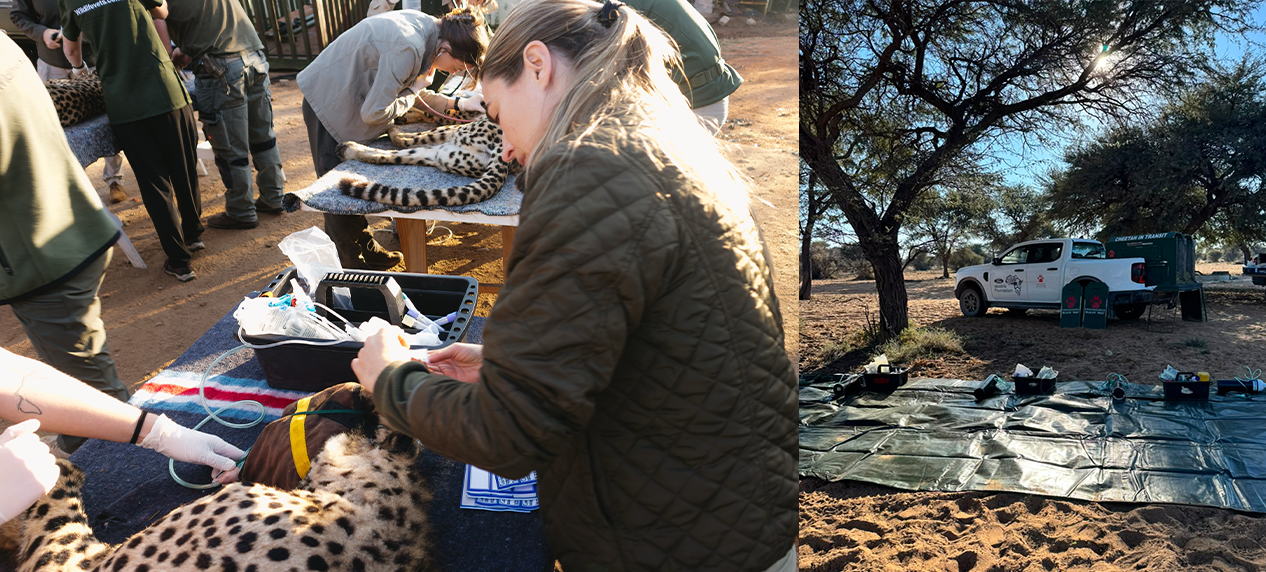
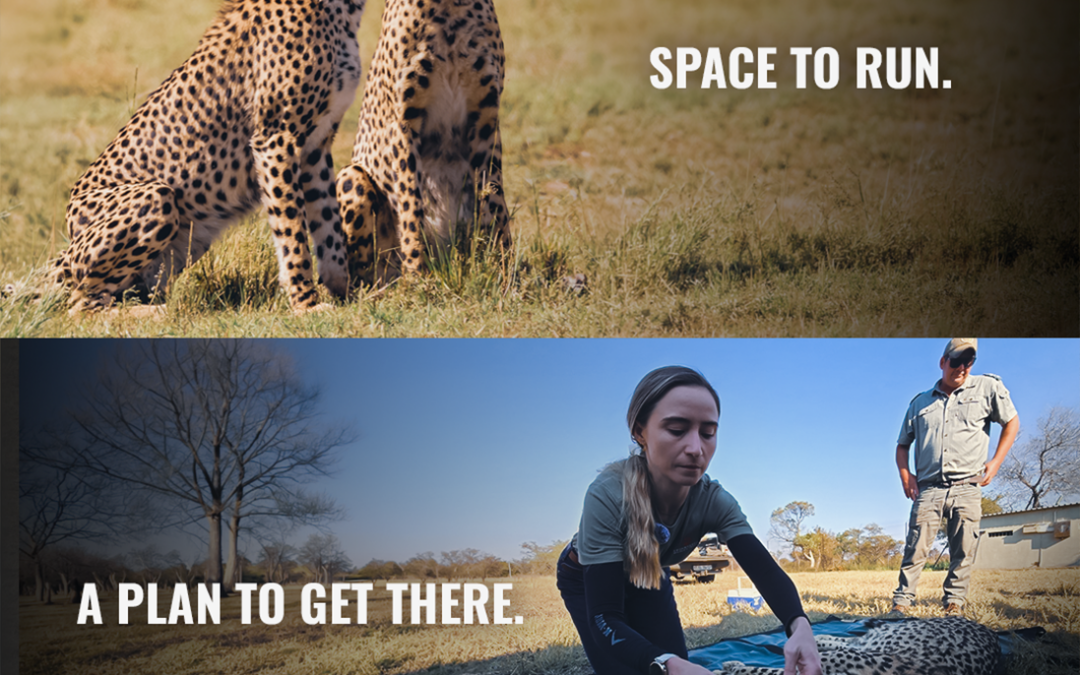
As the first darts are administered, the countdown truly begins. Under the watchful eye of veterinarians and government officials, each Cheetah is carefully processed according to strict international requirements. Every individual is scanned to verify its unique identifying microchip, ensuring compliance with CITES regulations. Detailed health assessments are conducted, vaccines are administered, and satellite collars are fitted. Throughout the procedure, the animals receive supportive care, including oxygen and fluids, to ensure their well-being. Once all checks are complete, each Cheetah is carefully loaded into its transport crate and prepared for the next stage of the journey.

Conservation team conducting health checks on a cheetah before international translocation.

These six founding animals, comprising three males and three females, were carefully selected by the project team from South Africa’s managed Cheetah metapopulation. The Cheetah originated from Thanda Private Game Reserve, Manyoni Game Reserve, Nkomazi Game Reserve, and Dinokeng Game Reserve. Their selection was based on genetics, demographics, and familiarity with the prey species and competing predators they are likely to encounter in their new home. Together, these considerations were made to maximise the likelihood of establishing a healthy, self-sustaining breeding population in Zambia.

The source population itself represents an important conservation success story. Established in 2012, South Africa’s managed Cheetah metapopulation has grown by an average of 8.8% annually, making it one of the few growing Cheetah populations remaining anywhere in the world. This achievement is the result of more than a decade of collaboration between the EWT, private reserve owners, conservation practitioners, and provincial and national governments. Importantly, the success of the metapopulation means conservationists can move beyond simply preventing decline. Instead, they can utilise the population’s growth to source suitable Cheetah for restoration initiatives such as the Greater Luangwa reintroduction, helping restore the species to landscapes where it has been lost.

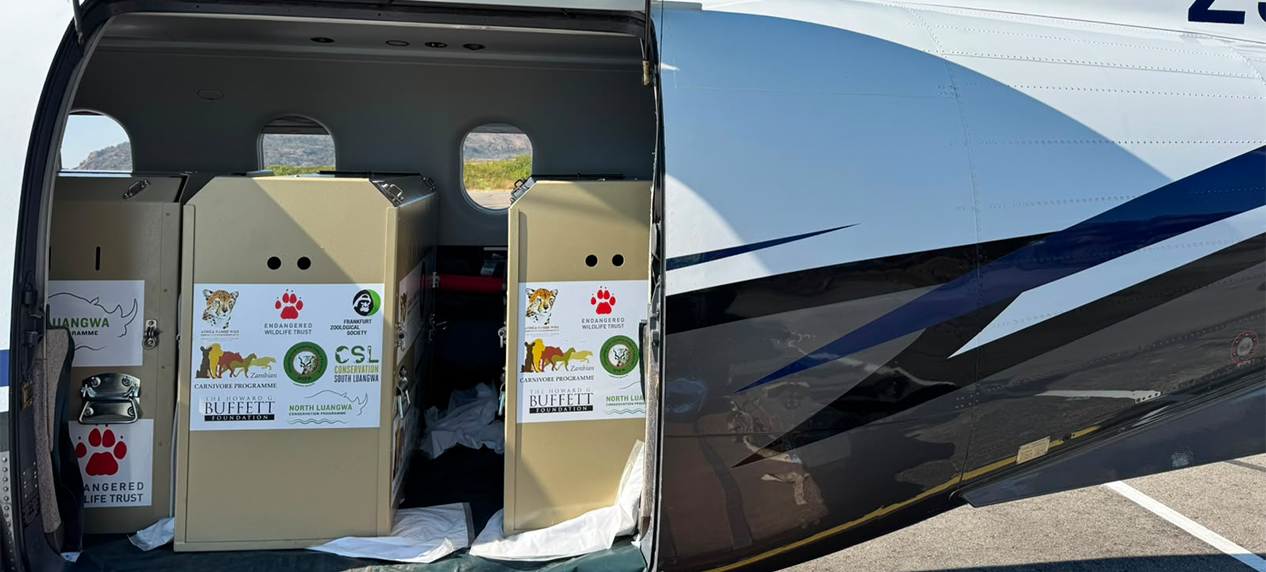
Following processing, the Cheetah are transported to Kruger Mpumalanga International Airport, where African Parks assists with the next leg of the operation using their Pilatus PC-12. From there, the animals are flown north to Mfuwe International Airport in Zambia. With the support of DNPW and CSL teams, the Cheetah are cleared for entry before continuing onward to a remote area of North Luangwa National Park.

The release site was selected following extensive habitat suitability modelling, prey assessments, and carnivore surveys. These studies identified the area as one of the most suitable locations within the ecosystem for re-establishing cheetah. The objective is not simply to release animals into the wild, but to provide them with the greatest possible opportunity to survive, reproduce, and ultimately establish territories across the wider landscape.

Upon arrival, all six Cheetah are safely offloaded into temporary holding enclosures. Here they spent several weeks acclimatising to the sights, sounds, and scents of their new environment before progressing through a carefully planned release process.

A key component of this reintroduction is a 2,000-hectare predator-proof sanctuary. The sanctuary has been specifically designed to help the Cheetah establish familiarity with the release area before entering the wider ecosystem. By temporarily concentrating animals within a defined space, it encourages interactions between males and females while promoting scent-marking and territory establishment. This is particularly important for males, whose scent-marking locations form a critical part of Cheetah social structure. By allowing these networks to develop before access to the broader landscape is provided, conservationists hope to improve settlement, breeding success, and long-term population establishment.

While the successful arrival of the first six Cheetah is significant, it marks only the beginning of a much longer conservation journey. Additional Cheetah are scheduled to join the founder population later this year, with a total of at least 18 individuals planned over the first two years of the programme. Every released individual will be monitored closely through satellite collars and dedicated field teams. These monitoring efforts will provide vital information on movement patterns, survival, behaviour, habitat use, and ecological interactions, allowing management approaches to be adapted as needed.

Importantly, success in a reintroduction project is measured in stages. The safe translocation of the Cheetah is the first milestone, but it is only the beginning. Their successful adaptation to the landscape is equally critical. The birth of the first litter will represent an encouraging sign that the population is establishing itself. However, the true measure of success will be the development of a self-sustaining population capable of persisting independently into the future. Ultimately, it is the survival and reproduction of second and third generations of cheetah born and raised entirely within the Luangwa landscape that will determine whether this vision has been realised.

For the EWT, this project reflects the organisation’s commitment to restoring threatened species and rebuilding ecological processes. It demonstrates how science-led conservation, long-term planning, and meaningful cross-border collaboration can reverse local extinctions and create new opportunities for species recovery. Equally important is the recognition that conservation success depends on people. Community engagement has been central to the project from its earliest planning stages, with consultations by the project leads taking place across the Munyamadzi Game Management Area and support secured from local leadership, including Chief Nabwalya.

The project has already generated significant employment opportunities in this remote area and forms part of wider efforts to strengthen local livelihoods through conservation-linked development initiatives. Human-wildlife coexistence remains a major focus of the project, although Cheetahs are generally considered a low-conflict carnivore that poses little threat to people.

The journey that began in the early morning darkness outside Mbombela is far from over. Yet with the successful arrival of the first six Cheetah and their release into the sanctuary, an exciting new chapter has begun. Across seven million hectares of wilderness, a species absent for decades has taken its first steps toward recovery. If successful, this ambitious undertaking will not only restore Cheetah to one of Africa’s most important conservation landscapes but also contribute meaningfully to securing the future of one of the continent’s most threatened large carnivores. More importantly, it will demonstrate what is possible when governments, conservation organisations, scientists, landowners, donors, and local communities work together towards a shared vision for wildlife recovery.

The project’s vision extends beyond restoring a single species. It aims to leave a lasting legacy of healthier ecosystems, strengthened conservation partnerships, improved opportunities for local communities, and a safer future for wildlife across the Greater Luangwa Ecosystem.

Six cheetahs being prepared for reintroduction into Zambia's Greater Luangwa Ecosystem.

This project is funded by the Howard G. Buffett Foundation. The Endangered Wildlife Trust’s cheetah conservation work is supported by the Ford Wildlife Foundation and MetroFibre.

DNA HAS ITS SAY:  COLOPHON BEETLE POPULATIONS MORE WIDESPREAD

DNA HAS ITS SAY: COLOPHON BEETLE POPULATIONS MORE WIDESPREAD

DNA HAS ITS SAY:  COLOPHON BEETLE POPULATIONS MORE WIDESPREAD

By Samantha Theron, Conservation Researcher at the EWT


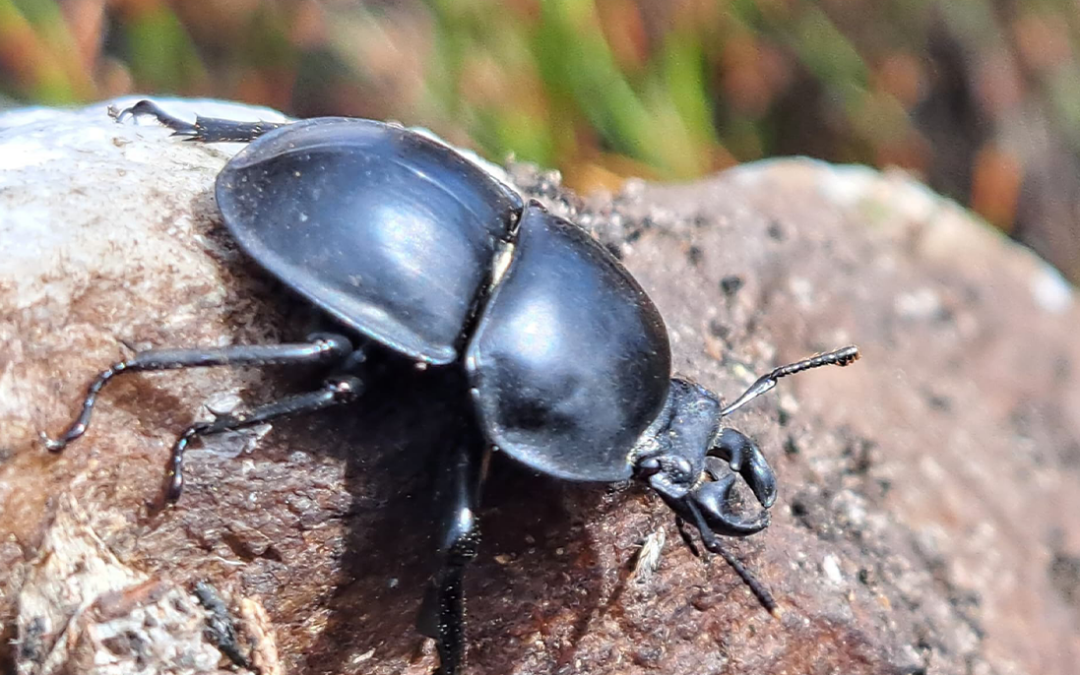
Colophon nagai beetle fragments collected for DNA analysis

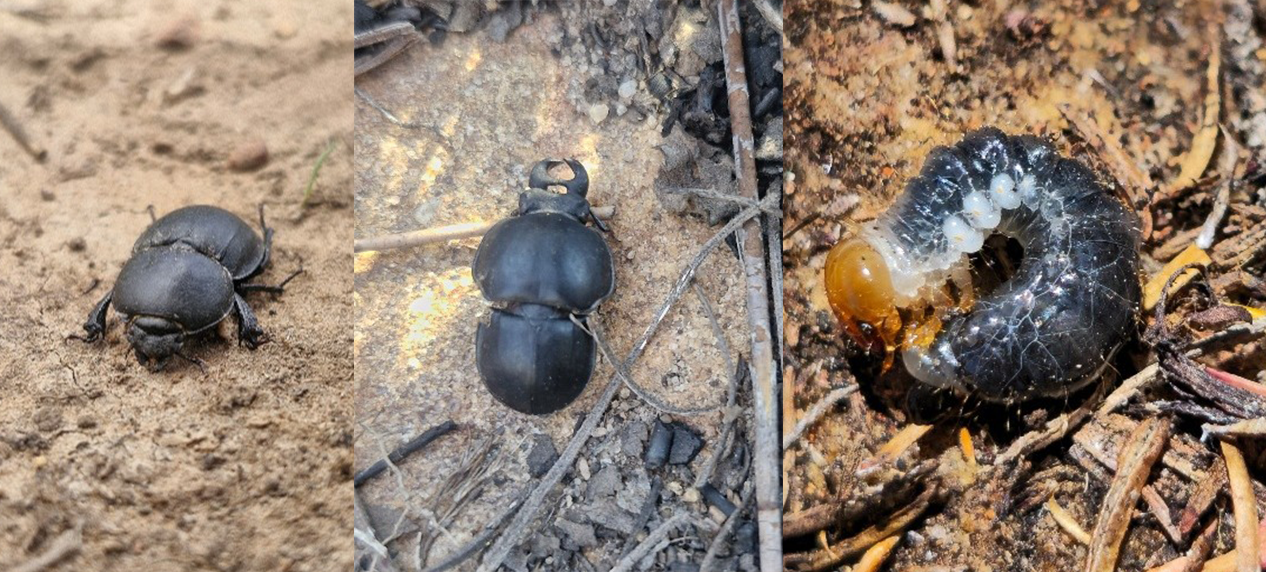
Left: Intact Colophon beetle remains found on the second survey. Center: Colophon fragments found on the third survey. Right: Live Colophon larvae found on the first survey.

Good news for a Critically Endangered Cape Stag Beetle: Recent DNA analyses of specimens from our high-altitude surveys of Cape Stag Beetles reveal that Nagai’ s Cape Stag Beetle (Colophon nagai), is more widespread than we previously thought. This means that the threat of extinction may not be quite as imminent for this species as we had feared.

Over the past two years (2025 and 2026), the EWT’ s Drylands Conservation team has conducted multiple field surveys across several mountain peaks in search of two species of Cape Stag Beetles (Colophon eastmani and C. nagaii) that are threatened by climate change, wildfires, and illegal collection. Cape Stag Beetles are high-altitude specialists and can serve as flagship species for high-altitude ecosystems, highlighting the challenges faced by organisms that have been driven upslope in response to changing environmental conditions. As climate change continues to alter these environments, mountaintop habitats – or “islands in the sky” – may shrink even further, increasing the risk of extinction for these high-altitude specialists. Furthermore, hotter, drier conditions resulting from climate change have resulted in an overall increase in the frequency and intensity of wildfires.

As soil dwellers, Colophon beetles are able, in some instances, to survive devastating fires. But, altered fire regimes, such as climate change- and human-induced changes in the frequency and intensity of fires, may pose significant threats to their existence.  This year, our project aimed to investigate the impact of altered fire regimes on Cape Stag Beetles, while extending our search for Colophon nagai eastwards from the historical site. Ultimately, our aim has been to improve fire management plans and response protocols to protect Colophon habitat by mitigating the threat of human-induced changes in fire regimes.

Our 2025 surveys revealed multiple new sites for Colophon eastmani, and we were able to update the distribution of the species and conduct a threat assessment for the IUCN Red List, listing this species as Endangered. However, for Colophon nagaii we found nothing but a few beetle remains at the historical site, also known as the type locality – the only location from which the species is known. Thus, we feared the species may already be extinct, with one plausible explanation being that a 2017 wildfire may have wiped out this population. We drafted the first IUCN Red List assessment for Colophon nagaii, listing it as Critically Endangered.

Last year, our surveys included two helicopter-assisted survey expeditions, in which Ross Air flew us to various previously unsurveyed and otherwise inaccessible mountain peaks to search for these beetles. We found the use of the helicopter extremely beneficial to the efficiency and feasibility of the surveys.  Thus the reason for ensuring the use of the helicopter again this year.

Cape Stag Beetle conservation survey on remote mountain peaks

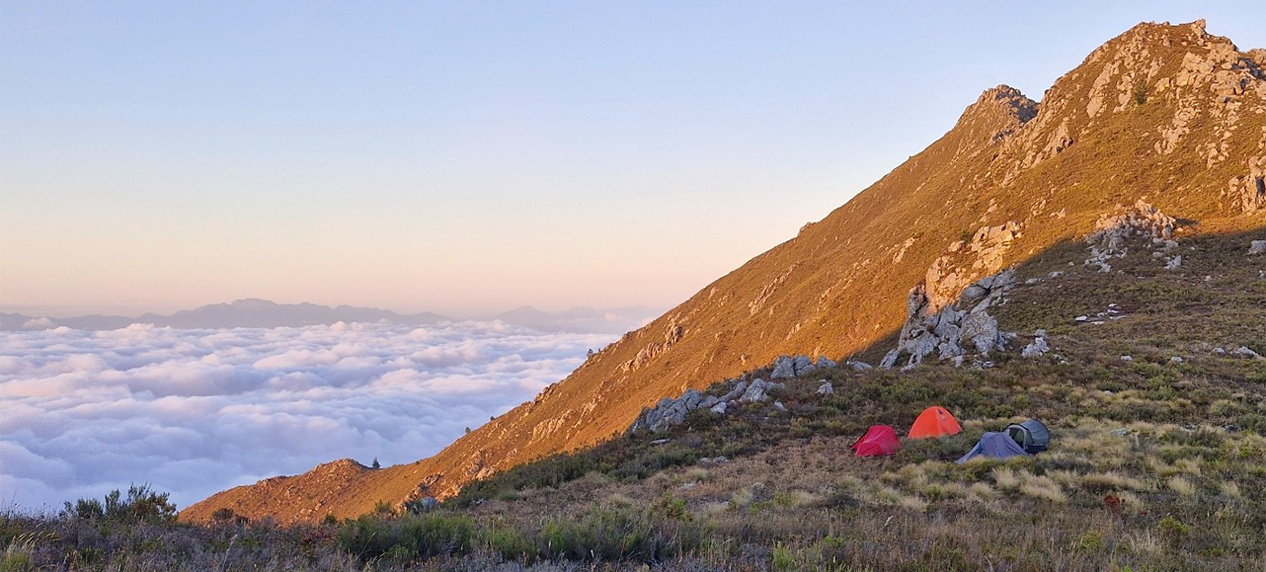
The expedition team camped at the top of the mountain range.

We conducted three field surveys. The first was a five-day expedition, in which three members of our team went up in a helicopter, along with food and camping gear, and continued on foot to survey five mountain peaks along a 20km stretch of the mountain range throughout the five-day period. These peaks represented five of the eight peaks we had set out to survey this year. The helicopter further assisted with moving us and our camping gear to a new camping spot on the third day, collecting us again on the last day. During this trip, we found evidence of Colophon in the form of beetle remains/fragments at multiple sites, as well as live Colophon larvae at two sites, indicating that the population is still viable.

On the second survey, we visited two peaks, one of which represents the historical C. nagai site. We had aimed to visit this site in the beetle’ s active season (November – March), as our previous survey did not take place during this period, which could explain why we had previously failed to detect recent signs of Colophon at the historical site. This time we found multiple Colophon beetle fragments, at least one of which was still perfectly intact and exposed on the surface of the ground. We suspect that we arrived just at the tail-end of the beetles’ active season, as we did not encounter any live beetles. We also found beetle fragments on the second peak, which is adjacent to the type locality and approximately 2 km further along the mountain range.

A third survey was conducted at the last of the eight peaks we had set out to survey this year. We had initially planned to survey this peak during the first helicopter-assisted survey, but were unable to due to poor weather conditions on the last day. This final survey also revealed evidence of Colophon presence in the form of beetle remains near the peak.

During this survey, we collected beetle fragments from two sites for genetic-based species identification. In addition, Colophon fragments that were collected last year, on a peak that lies roughly midway between the two species’ (C. nagai and C. eastmani) known distributions, and for which the species’ identity was unknown, were also genetically analysed for species identification.

The results revealed that the fragments from both sites to the east of the historical C. nagai site, as well as those from the unknown site to the west (midway between the two species), represent C. nagai. This is an indication that the species is in fact more widespread than we previously thought.

In May this year, we hosted a workshop in Montagu, inviting landowners and representatives of the local Fire Protection Agency to discuss Cape Stag Beetle conservation and stewardship options and assess fire management plans and response protocols.  Looking ahead, we will be distributing new fire management guidelines, specifically focussed on safeguarding key habitats for the species, to all relevant stakeholders. Two of the landowners have indicated their willingness to declare formal protection of Cape Stag Beetles on their properties, and we will be initiating these processes in due course. Protecting these remarkable and elusive insects and the habitats they depend on is essential, not only for their long-term survival, but also for advancing research on the impacts of climate change on species across the Karoo and Fynbos biomes.

The EWT thanks the Mohamed Bin Zayed Species Conservation Fund, Mapula Trust, Ross Air and the landowners for their support in this project.