Help protect Africa's 

Saluting rangers protecting wildlife and conserving nature

Saluting rangers protecting wildlife and conserving nature

Saluting rangers protecting wildlife and conserving nature

By Eleanor Momberg
 

EWT rangers patrolling protected landscapes to safeguard South Africa's threatened wildlife.

As nature’ s guardians, most rangers are not only the first line of defence against wildlife crime, but also protectors of a fragile and changing environment.

Working at the forefront of conservation of species and habitats, these passionate individuals often give up valuable personal time to ensure wildlife is protected from criminals, be they poachers or illegal harvesters of threatened plant species.  They also spend critical hours removing invasive alien species, burning firebreaks to safeguard infrastructure, assisting with management burns to achieve specific ecological goals, and guiding guests to ensure an absolutely unforgettable visit to nature, among a multitude of other tasks.

On 31 July, the Endangered Wildlife Trust (EWT) joined rangers across the globe to mark World Ranger Day; a day on which rangers worldwide remember honour colleagues who have lost their lives in the line of duty.  This year’ s theme A Legacy of Protection, Courage, and Service recognised that rangers are working in a world defined by climate extremes and biodiversity loss, increasing human-wildlife conflict, organised wildlife crime, and shifting social and political landscapes.  Amid these challenges, rangers continue to safeguard the future of our natural world. On the 20th anniversary of World Ranger Day, the EWT honoured its newly-appointed Threat Protection Rangers and Restoration Rangers, alongside the team of rangers at the Medike Nature Reserve.

While one team of rangers is focused on addressing, and preventing, wildlife crime, their colleagues are focused on improving the habitats in which people, plants and animals, live and prosper.
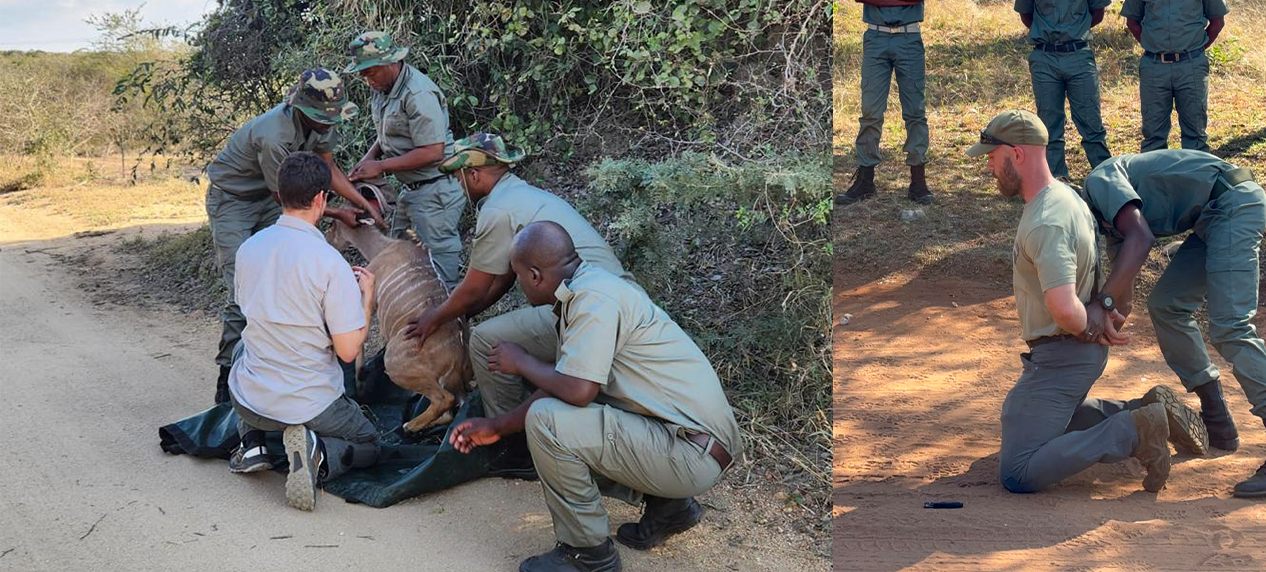
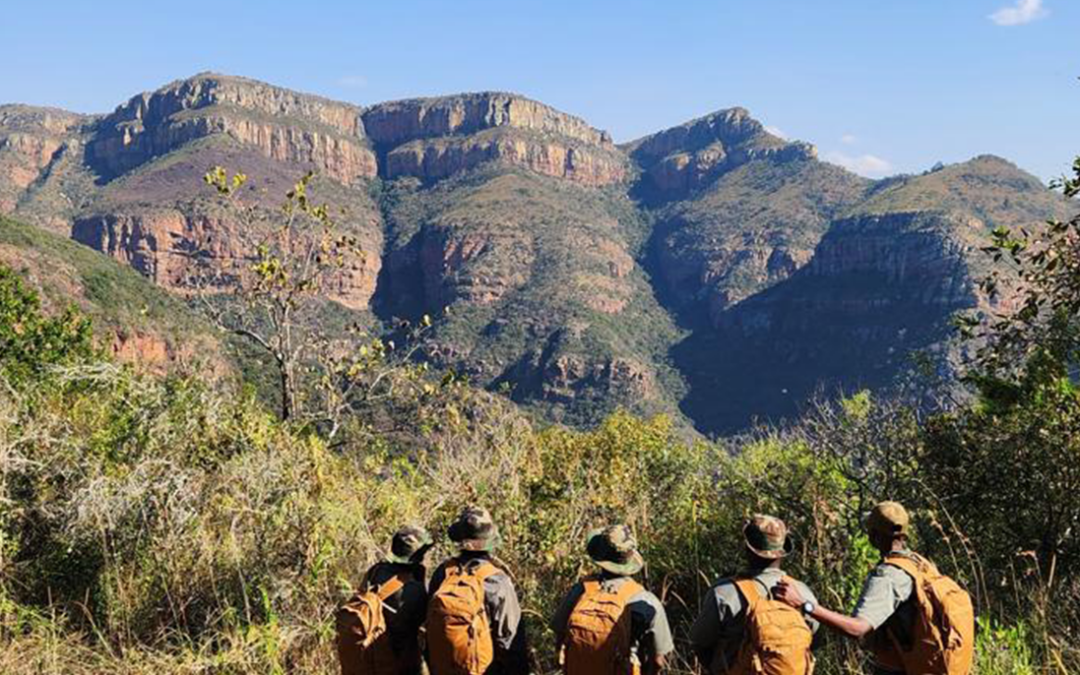
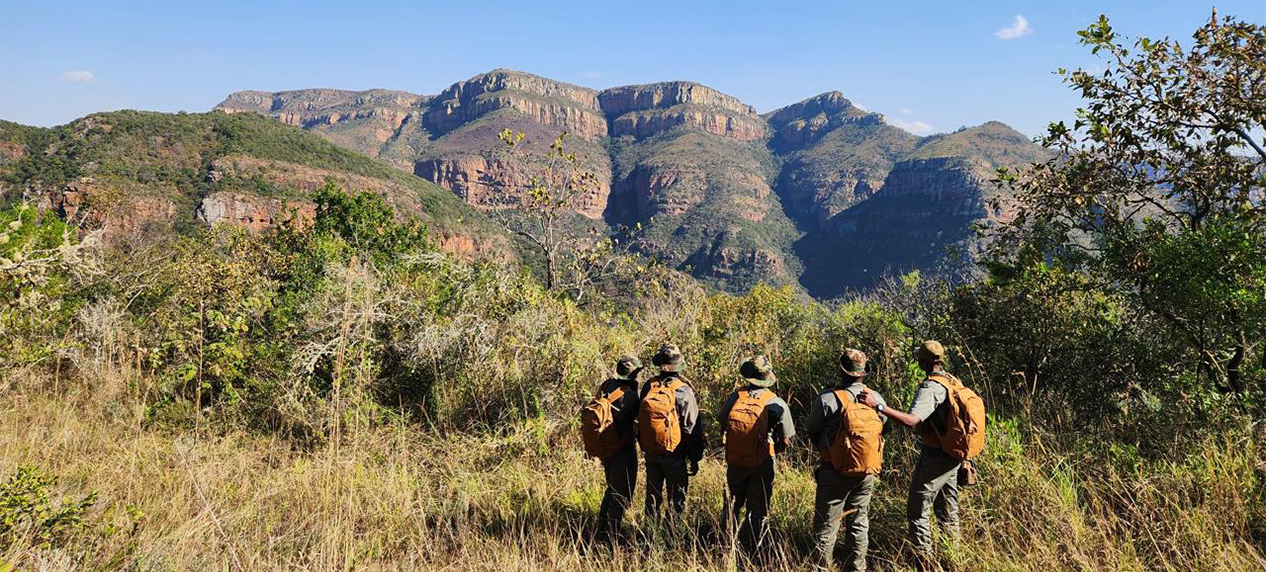
EWT rangers patrolling protected landscapes to safeguard South Africa's threatened wildlife.

Threat Reduction Rangers

Illegal wildlife-related activities are placing mounting pressure on already vulnerable wildlife populations while simultaneously posing significant security risks to people living and working within affected landscapes.

To mitigate wildlife crime within the Greater Kruger area of Limpopo, the Endangered Wildlife Trust has appointed five Threat Reduction Rangers to reduce illegal wildlife activities.  This includes snaring in the Greater Kruger area in northern Limpopo – a buffer zone to the west of the Kruger National Park, and Great Limpopo Transfrontier Conservation Area.

The team, comprising a head ranger and four rangers, undertake regular patrols, remove snares, record illegal activity, monitor high-risk areas using camera traps and share information with landowners and conservation partners so that threats can be timeously detection and addressed immediately.

Thus Unit helps protect both wildlife and people. By removing snares and reducing illegal activities, endangered animals are saved, healthier ecosystems are supported, and wildlife crime is prevented from spreading into protected areas. At the same time, it improves safety for landowners and local communities through better monitoring, coordination, and a stronger presence on the ground.

In the Greater Kruger area, snaring for bushmeat represents one of the most pervasive and persistent threats. This indiscriminate and illegal hunting method has intensified in recent years, reaching unsustainable levels across southern Africa.

To address this, the EWT’ s Threat Reduction Unit now delivers a coordinated, intelligence-driven response across property boundaries in an effort to halt the escalation of snaring, safeguard threatened wildlife populations, ensure human safety and reinforce the integrity of the Greater Kruger conservation system.

The project being undertaken in potentially high-risk areas prioritises community and privately-owned land where enforcement capacity is limited, and thus vulnerable to illegal wildlife activities.  The present focus is encourage these  landowners and communities to participate in the initiative.

To achieve our conservation goals, we have partnered with the Kevin Richardson Foundation. Soldiers for Wildlife and Van Niekerk Wildlife have provided ranger traising, with additional support being received from the Scales Conservation Fund, Phalaborwa Natural Heritage Foundation and Kendra Carano.
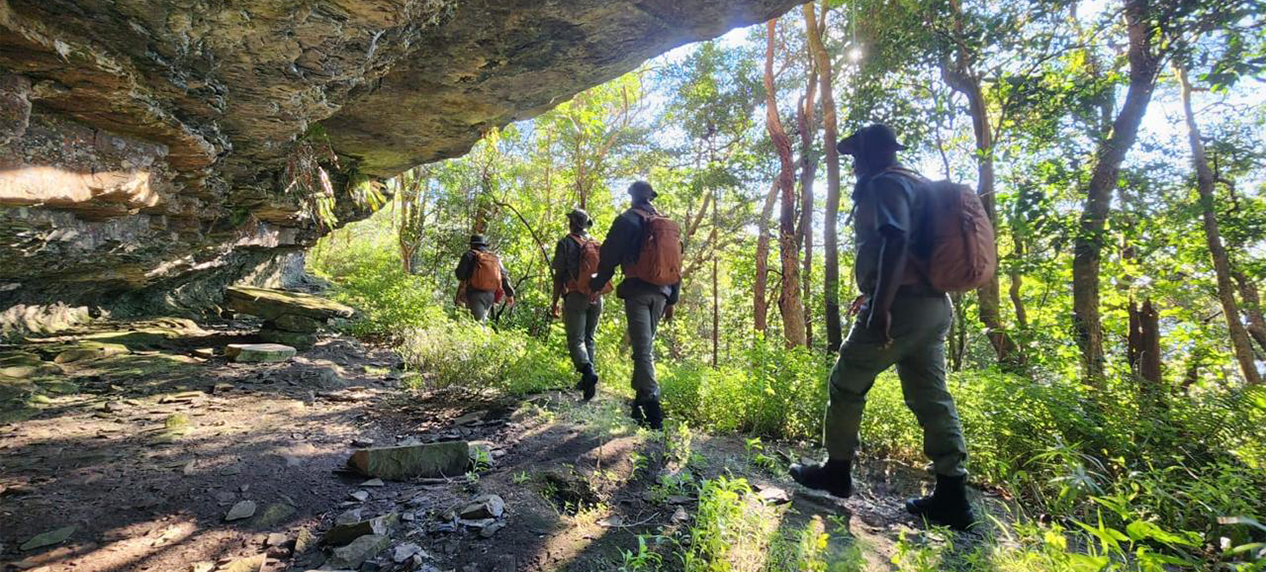
Restoration Rangers working to restore natural habitats and protect biodiversity.

Restoration Rangers

In the heart of the Soutpansberg is a team of Restoration Rangers protecting the landscape and restoring it back to health, one tree at a time.

The EWT’ s Restoration Rangers are working to reverse decades of environmental degradation caused by invasive alien plants. Their daily work often includes hiking on steep, inaccessible, remote mountain slopes carrying all their equipment and safety gear up to 8 kg per person.  The specialised team focuses on removing invasive trees and plants that threaten one of South Africa’s most biologically diverse landscapes.

The Soutpansberg is recognised as one of the country’s unexplored biodiversity hotspots, supporting an extraordinary diversity of plants and animals, many of which occur nowhere else on Earth. However, invasive alien plants, particularly water-thirsty eucalyptus trees that take up to 260 litres per day, reduce streamflow, outcompete indigenous vegetation, increase wildfire intensity, and degrade vital habitats.

The Restoration Rangers are helping to change this trajectory. Through strategic invasive plant control, follow-up clearing, wetland restoration, road and trail maintenance, and ongoing monitoring, they are restoring ecological processes that allow indigenous ecosystems to recover naturally. Their work contributes to healthier catchments, improved water security, greater resilience to climate change, and stronger habitat connectivity for wildlife.

This team consists of young people from neighbouring communities who receive practical ecological restoration training while gaining valuable work experience and developing skills that contribute to South Africa’s growing restoration economy.

Over the past year alone, the team has removed thousands of invasive plants across priority conservation areas, restored ecologically sensitive wetlands, maintained critical access routes for landowners and conservation partners, and supported collaborative restoration efforts across the Western Soutpansberg Nature Reserve. Every invasive tree removed represents more water remaining in the landscape, improved habitat for indigenous species, and another step towards restoring ecosystem health.

As the impacts of climate change intensify, ecological restoration has become one of the most effective nature-based solutions available. Investing in restoration rangers means investing in water security, biodiversity conservation, disaster resilience and sustainable rural livelihoods.
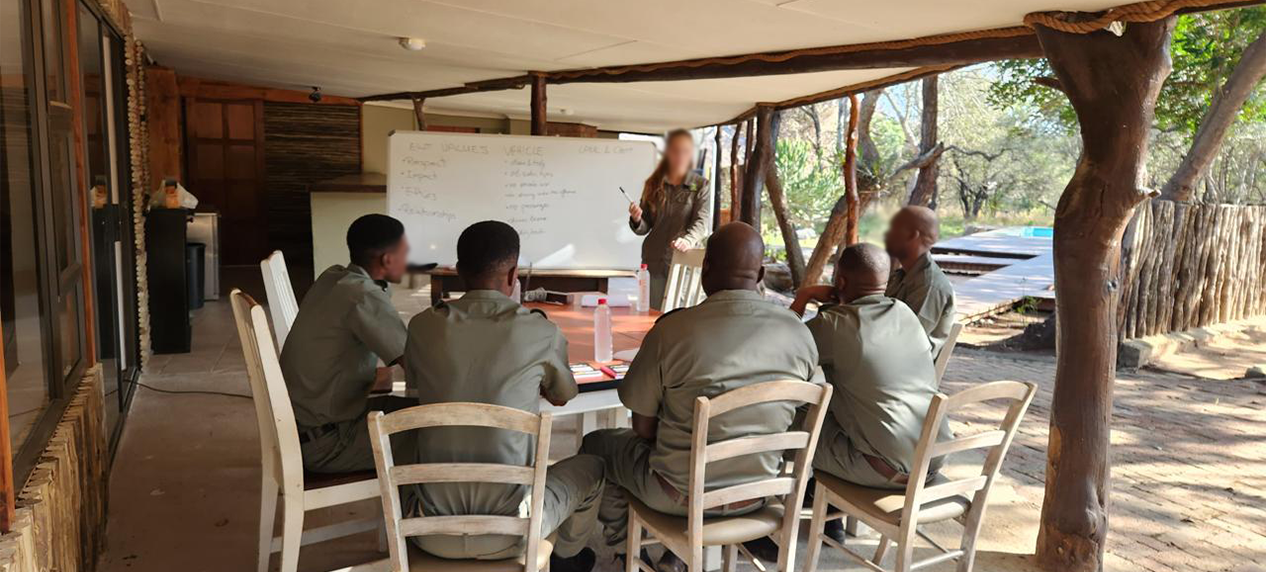
Endangered Wildlife Trust rangers working together to conserve wildlife and restore ecosystems.

Medike Rangers

 At the EWT’ s Medike Reserve in the Soutpansberg,  three rangers and four conservation interns are engaged in work that rangers from de=snaring and anti-poaching patrols, to monitoring, invasive alien species removal, road and accommodation development and maintenance, guest hospitality and guiding.

While many rangers are recognised for protecting wildlife on the frontlines against poaching, this group of conservation champions is quietly restoring ecosystems that sustain both biodiversity and people.

Rangers are the custodians of our natural heritage. Whether protecting endangered wildlife or restoring degraded ecosystems, their work is essential to safeguarding South Africa’s biodiversity and supporting the communities that depend on healthy landscapes.

This World Ranger Day, the EWT celebrates not only the bravery of rangers protecting wildlife but also the determination of those restoring ecosystems from the ground up. Their work reminds us that conservation is about more than protecting what remains – it is about restoring what has been lost and ensuring healthy landscapes for future generations.

The EWT extends its sincere gratitude to its funding partners, landowners, community members and conservation collaborators whose continued support makes this work possible.


Who are the EWT’ s Restoration Rangers?

The Restoration Rangers have as their focus habitat restoration  in the heart of the Soutpansberg Mountains in Limpopo, there they are working to reverse decades of environmental degradation caused by invasive alien plants. Their daily work often includes hiking on steep, inaccessible, remote mountain slopes carrying all their equipment and safety gear up to 8 kg per person.  The specialised team focuses on removing invasive trees and plants that threaten one of South Africa’s most biologically diverse landscapes. Their work contributes to healthier catchments, improved water security, greater resilience to climate change, and stronger habitat connectivity for wildlife.

Richard Ndou is from Elim Varry Village in Limpopo.  Speaking to Conservation Matters,  Richard said he had chosen a job in restoration to help eliminate invasive alien species from the area around his village.  His involvement in the EWT’ s habitat restoration initiative in the Soutpansberg has not only benefited his family financially, but also raised awareness within his community about the threats of invasive alien species.

“l chose a restoration job, because all around the Soutpersberg area villages are struggling with water because of alien plants such as massive tall trees like Blue Gums. They are highly intrusive and are disturbing the water table, because it can absorb around 260 litters per day.”

Besides saving water, Richard is also committed to saving wildlife from the “high amount of poaching all over the world”.

Since being employed by the EWT, he has learnt to identify invasive alien plants and how to control these, how to protect wildlife.

“Plants are important for feeding and trees are important for medicine. The importance of restoration saves life because we are also sharing information in the community so that they know more about restoration,”  he said.


Willington Mavhandu from Kutama Village joined the Restoration Rangers because of the struggle faced by villages across the Soutpansberg to access water resources limited by alien invasive species.

“These trees are highly water intensive and they are disrupting local water tables…so that is why I chose to be a ranger to save animals and water,” he said.  “I learned that animals and plants are very important and have a right to live”.

Willington believes that because of his work and learning, he is able to share information with his community of “the importance of restoration to save life”.

“I believe there is more future for Restoration Rangers as there is a lot of work to be done all around the world. Everyone is impressed with the work we are doing. My family and I are benefitting a lot with support, knowledge and training from EWT and we are willing to work harder and harder,”  said Willington.


Michael Sithagathaga is from Khavhambe village.  He joined the Soutpansberg Restoration Rangers  to learn new skills in conservation and to use his energy to fight things like erosion, bushfires and invasive plants.

“I want to protect our heritage,” he said.

“Since I joining the ranger team, I learnt lot about conservation, how to identify invasive plants, control bushfires, do anti-poaching patrol and also work as team spirit, take care of equipment.  My is important because we are protecting the Soutpansberg mountains. This area gives us clean water, fresh air and home for wildlife,”  he said.

Michael believes there is a future for Restoration Rangers in South Africa, and around the world.  “Yes there is a future. South Africa is dealing with drought, floods and erosion, so restoration of land and rivers is one of the main ways we can fix for next generation”.

His employment by the EWT team, he said, has a number of benefits for him, and his family.

“As a restoration ranger, it has helped my family a lot. I’m able to provide food, pay transport for school and also supply my family with skills and knowledge about how to take care of nature and water,”  said Michael.


Sengani Ramalamula also hails from Khavhambe Village and joined the Restoration Rangers because wants to conserve wildlife.

During his time in the ranger unit, he has learnt to “solve problems continuously”.

Sengani believes his new role as a Restoration Ranger is important because it helps rebuild native habitat and “helps support households through community development and land rehabilitation”.

“There is a powerful, essential future for Restoration Rangers because nature always needs repair.  Through this project I am able to understand conservation, wildlife and support my family financially,”  said Sengani.


The EWT’ s Field Rangers at Medike reserve

The Medike Reserve in the Soutpansberg boasts three full-time field rangers and four conservation interns.   The team has a variety of responsibilities as field rangers, such as law enforcement & monitoring which includes patrols, snare removal, and anti-poaching,  hiking trail support on the Old Salt Trail, veld fire control, invasive alien plant removal and infrastructure maintenance that includes plumbing, building and road revamps.   This team also does environment awareness in the local community and among tourists, ensure the accommodation is ready for visitors, interpretive guiding and dealing with guests.

The full-time team are:

Oscar Musevhula is one of the longest serving staff members at Medike. He has been working in the Medike East area for 14 years, and is an active member of the anti-poaching team. Oscar is handy man, he helps the reserve with plumbing and building.

Khathutshelo Mukhumeni has been trained as a law enforcement field ranger. He is also handy man. He has been active in conservation guardianship and law enforcement. He recently developed an interest in field guiding and is supporting our hikes. Khathutshelo is also capacitating conservation interns on anti-poaching, snare removal and the basic skills of field guiding .

Micheal Modimana  has been involve in alien plant removals and snare removal. He is the main Kubota TLB driver during roads maintenance. He is also our slackpacked driver during the old Salt Trail.
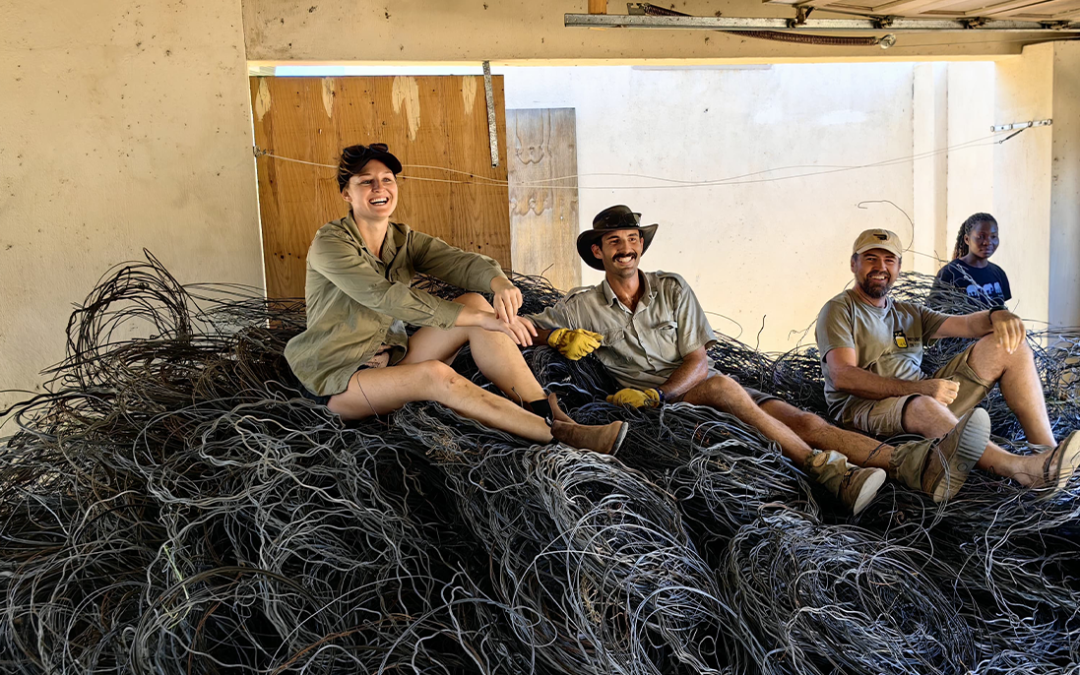
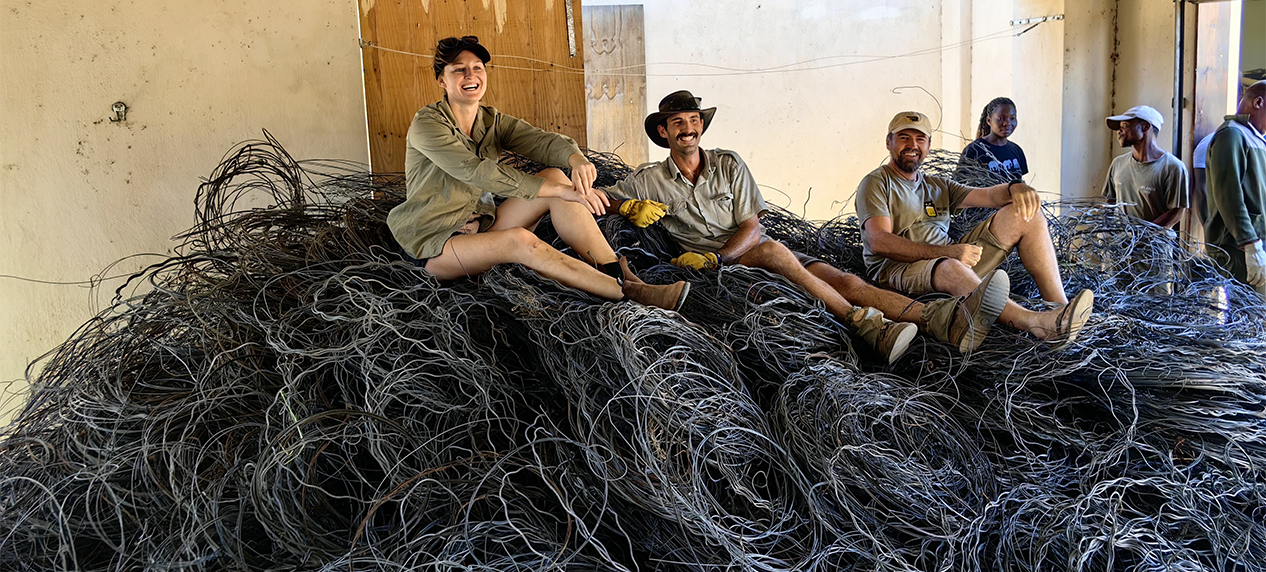
Turning Traps into Hope: Poacher’ s Snares Repurposed for Conservation

Turning Traps into Hope: Poacher’ s Snares Repurposed for Conservation


Turning Traps into Hope: Poacher’ s Snares Repurposed for Conservation

By John Davies


Across much of Africa, snaring of wildlife is on the rise, driven by a combination of poverty, bushmeat demand, and organized wildlife crime. With economic hardships pushing more people toward illegal hunting for sustenance or profit, snares have become the weapon of choice—they are cheap, easy to set, and devastatingly effective. However, they do not discriminate, often trapping unintended species, including elephants, lions, and wild dogs. Many animals suffer prolonged, agonising deaths, while those that survive can be left with severe injuries that compromise their ability to hunt or evade predators.

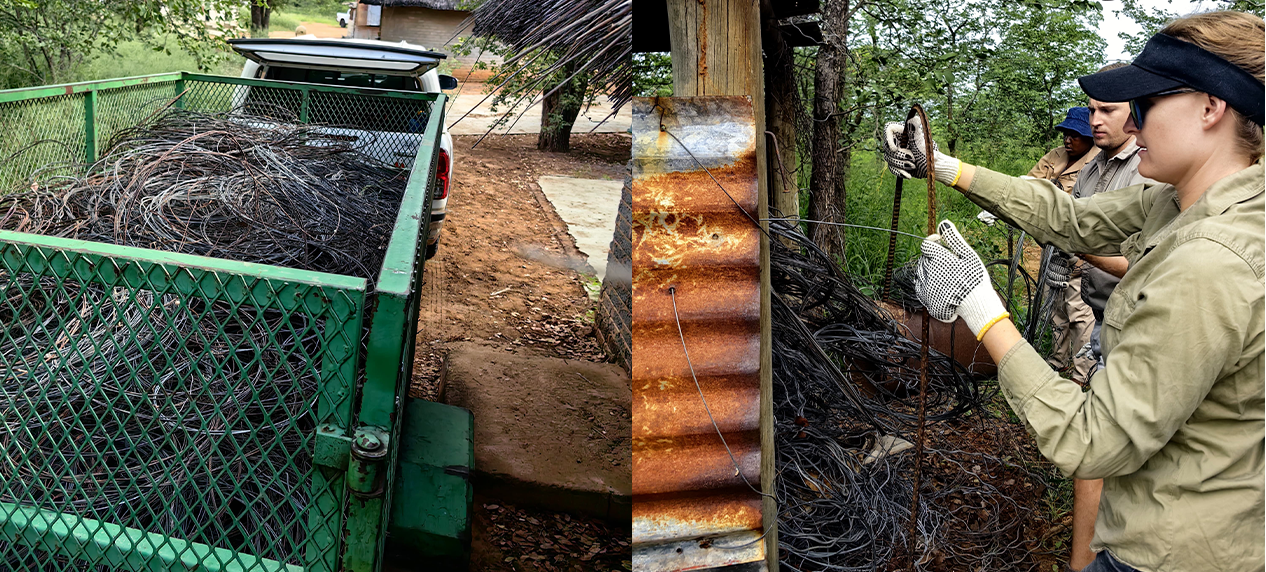
In a significant step toward protecting South Africa’ s wildlife, the Endangered Wildlife Trust (EWT) recently removed 3.5 tons of wire snares from a protected area in the Lowveld region of South Africa, forming a critical buffer zone along Kruger National Park’ s western boundary. These snares had been stockpiled over the last five years and had been removed during routine patrols by reserve anti-poaching teams.

Instead of being discarded, the snares have been given a second life through a partnership with Down2theWire, a local initiative that transforms confiscated poaching materials into handcrafted jewellery. This innovative project not only raises awareness about the devastating effects of snaring, but also provides funding for conservation efforts generated through the sale of jewellery and other products made from snares. Profits from the jewellery sales will be reinvested into anti-poaching initiatives, supporting rangers, education programs, and community-driven conservation efforts.

This initiative underscores the importance of sustainable solutions in wildlife conservation, proving that even the most destructive tools can be reshaped into symbols of resilience and protection.

As wildlife crime continues to challenge conservationists, creative collaborations like this offer a beacon of hope. Consumers can now play a direct role in the fight against poaching—one bracelet at a time.


Transporting wildlife? Here’ s what you need to know!

Transporting wildlife? Here’ s what you need to know!

Transporting wildlife? Here’ s what you need to know!

Obeid Katumba, the EWT Wildlife in Trade Programme, Wildlife and Law Project Officer


Wildlife (including plants) faces many threats driven by human activities, including habitat loss, degradation, fragmentation, pollution, and the emerging threat posed by climate change. However, Illegal Wildlife Trade (IWT) remains one of the primary drivers of species decline. The consequences of IWT include the following:

  • The decline in species populations and species extinctions, as often rare, Endangered, threatened, and protected species are targeted and exploited, pushing them closer to extinction.
  • The spread of alien and invasive species (AIS) introduces species into habitats in which they do not naturally occur, and they threaten native species as they encroach on habitat and compete for resources.
  • Security concerns and wildlife trafficking have increasingly been linked to organised crime, corruption, money laundering activities, and the general undermining of the legal system.
  • Animal welfare concerns as the animals are often kept and transported in conditions that threaten their welfare.
  • The spread of Zoonosis, diseases that can be transmitted from animal to human, affects humans, wildlife, and agriculture.

IWT is an international concern and is known to be among the most lucrative criminal operations globally, alongside drug trafficking and human trafficking. As with other organised crime, IWT uses transport networks, both legal and illegal, for the movement of commodities, in this instance, wildlife.

Domestic pet transporters are increasingly used to transport wildlife illegally within South Africa. Sometimes these transporters do this unknowingly without understanding the relevant laws around transporting wildlife. In addition, these transporters might not verify the species of animal being transported, cannot accurately identify species, or might not know whether permits are required for possessing and transporting such species.

The Endangered Wildlife Trust’ s Wildlife in Trade Programme aims to raise awareness of wildlife laws in the domestic pet transporting industry and ensure that domestic pet transporters and other operators across South Africa understand the legal requirements for transporting wildlife. To achieve this, we are launching a comprehensive online and social media awareness-raising campaign that will present quick reference guides demonstrating the legal requirements for possessing and transporting wildlife. The campaign will also provide information on the consequences of non-compliance with applicable laws and contact information for the relevant authorities for obtaining permits to possess and transport wildlife. Key information presented through the campaign will include:

  1. What are the relevant laws to become familiar with?
  2. How do you know what you are transporting?
  3. Do you need a permit to transport it?
  4. How can you get a permit?
  5. What if you don’ t have a permit?

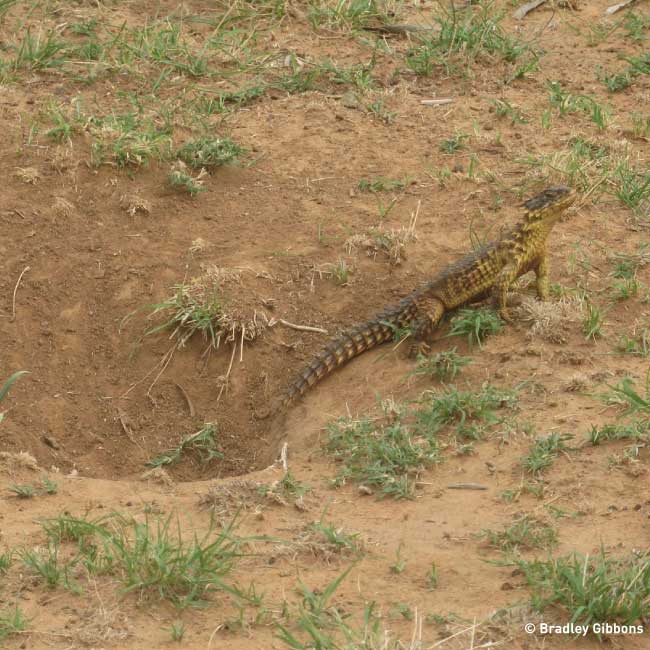
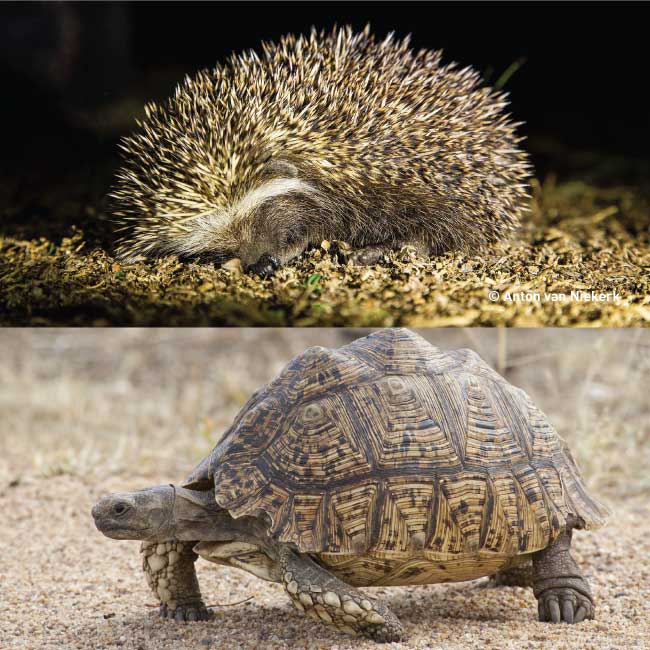
As a starting point, it is important for everyone to know that permits are needed for restricted activities involving living or dead, part or whole, legally protected indigenous species (species that occur naturally in South Africa). Examples of indigenous species include South African Hedgehogs, Leopard Tortoises, African Rock Pythons, Sungazers, and the Cape Parrot.

Examples of restricted activities involving protected species include:

  • Moving or translocating such species
  • Selling, buying, or otherwise trading in these species
  • Receiving, giving, donating, or accepting such species
  • Having in possession or exercising physical control over such species.

Permits are also required for restricted activities involving listed alien and invasive species (AIS). Examples of AIS include Burmese Python, Mallard Duck, and Rose-ringed Parakeet.

Examples of restricted activities involving Alien and Invasive species include:

  • Possessing or exercising physical control over AIS
  • Moving or otherwise translocating AIS
  • Selling, buying, or otherwise trading in AIS
  • Acquiring, receiving, giving, donating, or accepting AIS

Being involved in a restricted activity without a permit means that you have committed an offence, and if found guilty, the penalties can be up to ten years imprisonment, a fine not exceeding 10 million rand, or both per charge. In addition to fines and imprisonment, the guilty person can be held liable for costs associated with any rehabilitation and restoration of the damage to the habitat caused by the release of the AIS.

Permits can be applied for in each of the nine provinces, at designated offices or through the national office for AIS species. If you would like more information on this issue, please contact the EWT, for attention Obeid Katumba.

This campaign is made possible through the generous support of the Lewis Foundation.

We have dogs in the fight against poaching

We have dogs in the fight against poaching

WE HAVE DOGS IN THE FIGHT AGAINST POACHING

DR ANDREW TAYLOR, EWT WILDLIFE IN TRADE PROGRAMME MANAGER

dog and handler

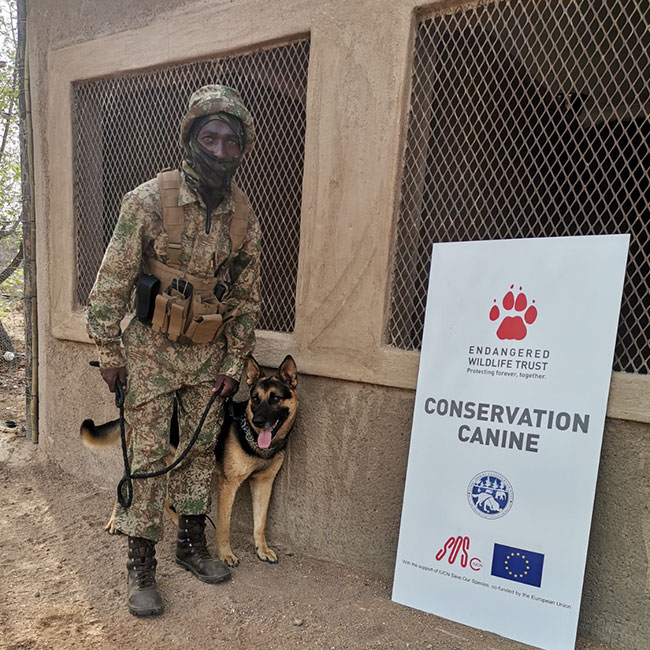
EWT Conservation K9 Bekah and handler Precious

The Endangered Wildlife Trust supports anti-poaching initiatives in game reserves using tracking and detection dogs known as conservation K9s. A project generously funded by the IUCN Save Our Species Rapid Action Grant and the European Union has enabled us to deploy six new dogs over the past year into priority reserves in Limpopo and the Eastern Cape. Although the grant period has ended, the EWT continues to support the reserves to ensure continuity and sustainability of the use of dogs to support their rangers, and our Conservation K9 Project Coordinator, Shadi Henrico, recently visited four of the dogs posted in Limpopo.

Ruger, a male Dutch Shepherd, and Bekah, a female Belgian Malinois sponsored by Global Conservation Force, were deployed to a big five reserve in June 2022. As tracking dogs, Ruger and Bekah walk daily patrols along the fence line with their handler Precious, sniffing out evidence of illegal infiltrations into the reserve that may be related to poaching activity. If someone has entered the reserve through the fence, these dogs will detect their scent and can follow the route they took, allowing Precious to find the trespasser and uncover the intentions behind their incursion.

dog and handler

EWT Conservation K9 Gold and handler Clifford


Gold, a certified detection dog, was deployed to another big five reserve in August 2022, where he is finding his feet and bonding with his newly qualified handler Clifford. Clifford was trained at Genesis K9 with support from the IUCN SOS and the EU, and works with Gold to screen vehicles at entrance gates and other locations to ensure that no contraband is smuggled into or out of the reserve. Gold’ s sharp nose can detect firearms, ammunition, rhino horn, elephant ivory, pangolin scales, and lion bones and will immediately alert Clifford if he catches a suspicious whiff so that they can investigate further.

Dog and ranger searching a truck

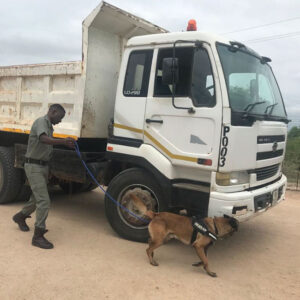
EWT Conservation K9 Juice and handler Kaizer searching vehicles

Juice, a large male Malinois, has been deployed to a reserve in the Associated Private Nature Reserves (APNR) adjacent to Kruger National Park, where he is screening vehicles entering and leaving the reserve. He has been partnered with Kaizer, an experienced dog handler and will be working hard to catch wildlife traffickers. Like Gold, Juice will focus on detecting firearms, ammunition, and threatened wildlife species.

This project is supported by the IUCN Save Our Species Rapid Action Grant, co-funded by the European Union, Global Conservation Force, and Genesis K9.

A boost to law enforcement in the Kafue Flats

A boost to law enforcement in the Kafue Flats

A boost to law enforcement against poaching rekindles hope in the Kafue Flats

Kelvin Steven Floyd, International Crane Foundation And Endangered Wildlife Trust Partnership, African Crane Conservation Program, Restoration Ecologist, Kafue Flats Restoration Partnership (KFRP), floyds@ewt.org.za

The Kafue Flats in southern Zambia is a wetland of international importance. It is a valuable ecosystem facing extreme pressure. Excessive poaching in and around the Kafue Flats wetlands is driving massive wildlife declines, particularly of large herbivores. One of these, the endemic Kafue Lechwe (Kobus leche kafuensis), was once widespread on the flats, with more than 80,000 individuals recorded during the 1980s. But aerial surveys recorded only 28,000 Kafue Lechwe in 2015 and less than 23,000 in 2018.

Our surveys also show declines in other large mammal populations, including Plains Zebra, African Buffalo, Oribi, and Blue Wildebeest. The latter is actually now locally extinct. But poaching on the Kafue Flats is not restricted to large herbivores. Livestock herders on the flats also poach Endangered cranes and other waterbirds. The poachers hunt the adult birds illegally and collect the eggs for food. But park management faces a major challenge with limited capacity available for wildlife protection.

What’ s the problem?

Despite being a wetland of local and international importance, and the most important wetland for Wattled Cranes and Kafue Lechwe in Africa, the number of wildlife police officers (WPOs) available is half what is required to protect the 6,500 km2 Kafue Flats against poaching. The area includes the Lochinvar, Blue Lagoon National Park, and the surrounding buffer zone (the Kafue Flats Game Management Area). Low patrol efforts, low coverage, and ineffective management leave this critical wetland vulnerable to degradation and plunder.

Stepping in to help combat poaching and restore the Kafue Flats

The International Crane Foundation and Endangered Wildlife Trust Partnership (ICF/EWT) is addressing these issues to conserve wildlife populations. To do this, we have committed to five pillars of action. These include law enforcement, community engagement, ecological management, research and monitoring, and advocacy/education. Furthermore, we have entered a 20-year co-management agreement with the Zambian Department of National Parks and Wildlife (DNPW). In 2017, we started a community habitat restoration project to control the alien invasive plant, Mimosa pigra. The plant had taken over and degraded critical wildlife habitat. By 2020, we had cleared and restored about 2,350 ha of wetlands for wildlife.

Why law enforcement?

Strengthening law enforcement to stop poaching on the Kafue Flats is a top priority. And so we must recruit and deploy fully equipped, trained, and motivated personnel for targeted anti-poaching patrols. By supplementing government law enforcement capacity in this way, we will reduce the impact of poaching and reverse the decline of wildlife populations.

We must support law enforcement as well as community livelihoods if we are to save the Lechwe Antelope, buffalo, zebra, hippo, and others from poaching on the Kafue Flats. While this might seem off-mission for a crane conservation organisation, cranes and other threatened species depend on the Kafue Flats for grazing. Unfortunately, without big mammals like the Lechwe, the government won’ t support the conservation of the Flats. They will consider them better used for growing crops or grazing cattle. This would be catastrophic for the Flats’ crane populations.

Wildlife heroes in the making

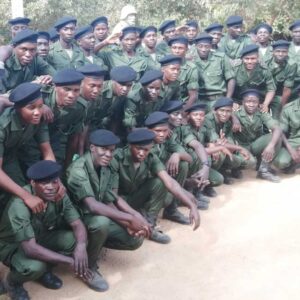
In February 2022, we worked with Community Resource Boards from Lochinvar and Blue Lagoon National Parks to train 55 community scouts. The scouts underwent three months of intense training at the Department of National Parks and Wildlife’ s Chunga Training School in the Kafue National Park. On 7 June 2022, the scouts proudly graduated and will be deployed alongside the DNPW Wildlife Police Officers to combat poaching on the Kafue Flats. To complement their training and ensure the effectiveness of patrols, we are giving the scouts access to technology such as the Spatial Monitoring and Reporting Tool (SMART), CYBERTRACKER, and Earth Ranger.

The ICF President and CEO, Rich Beilfuss, represented the partnership and delivered the commencement address to the scouts. The ICF/EWT’ s Kim Boardman, Mwape Sichilongo, Kerryn Morrison, Lourens Leeuwner, and other employees attended the colourful graduation ceremony. Two traditional leaders also graced the proceedings to show community support of the project.

The graduating community scouts (above). ICF President and CEO Rich Beilfuss delivering the commencement address (Below right).


The deployment of these scouts is a critical component of our holistic conservation approach to protecting critical habitat for the Endangered Wattled Crane and restoring vital grazing grounds and wildlife habitat while generating local employment and income through community involvement in the scouts programme and alien invasive plant control. The project will increase government capacity to manage and protect Zambian floodplains and advance global understanding of large-scale mimosa control methods and their measurable impact on biodiversity and livelihoods.