Help protect Africa's 

World Ranger Day celebrated at the EWTs Medike Nature Reserve

World Ranger Day celebrated at the EWTs Medike Nature Reserve

In the field

World Ranger Day celebrated at the EWTs Medike Nature Reserve

By Joe Razwinani, Medike Reserve & Hospitality Manager
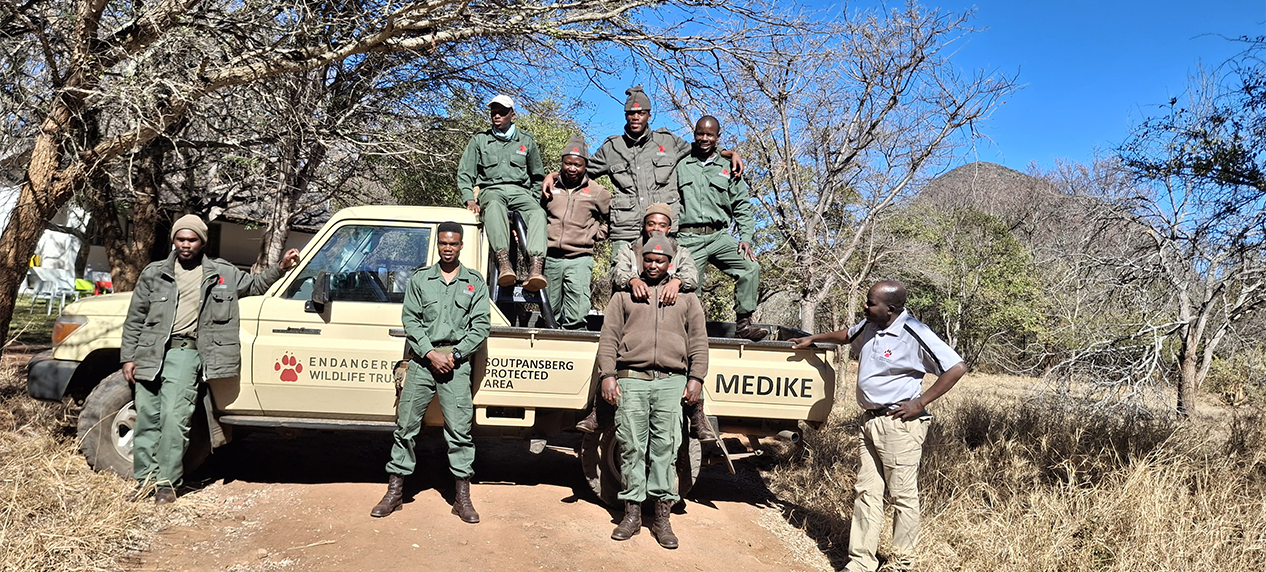
 

World Ranger Day braai celebration with rangers and families


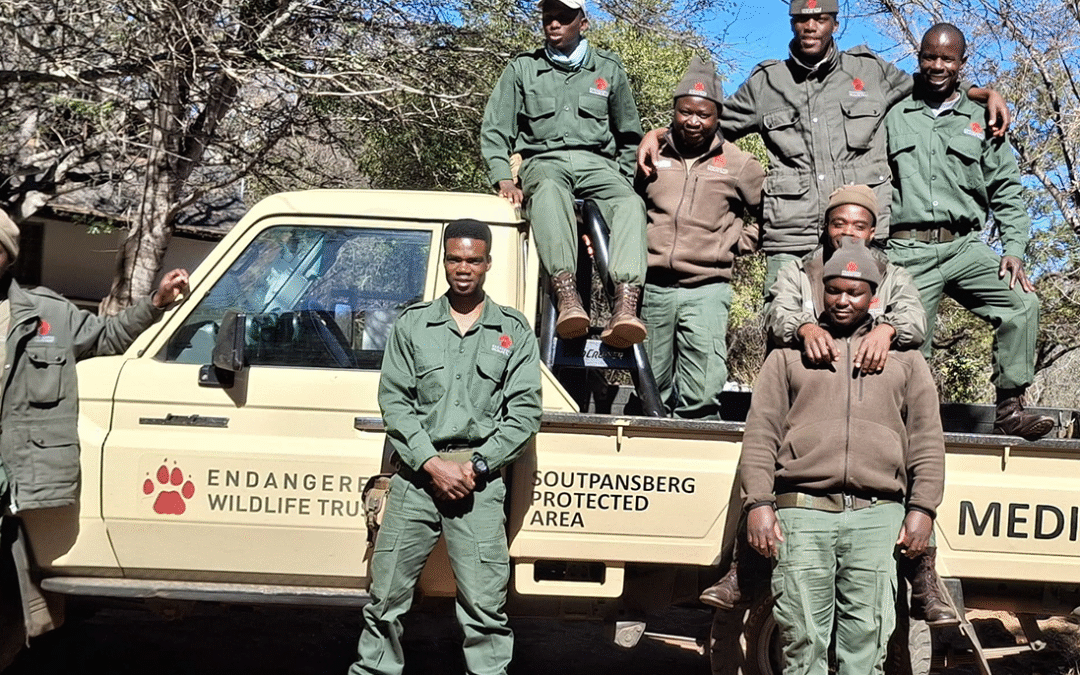
Rangers and support staff at the EWTs Medike Game Reserve in the Soutpansberg marked World Ranger Day on 31 July by demonstrating their abilities and versatility of their work, and sharing insights about their experiences.

World Ranger Day, this year held under the theme “Rangers Powering Transformation”, annually commemorates rangers who have died in the line of duty, honours the hard work and dedication of rangers, and fosters greater understanding and appreciation for the work they do among staff, their families, and local community members.

At Medike as short programme was designed to address ranger’ s families and community members with the aim of educating them about the multifaceted role of a ranger. The programme aimed to shed light on daily ranger duties, promote professional growth, and strengthen the connection between conservation efforts and local communities.

The 2025 Ranger Day celebration began with a ranger drilling demonstration to showcase the discipline, coordination, and teamwork required in field operations. This was followed by individual presentations from rangers, each addressing specific topics. such as anti-poaching strategies, Veld Fire Control, Veld Restoration. Alien Invasive Species Removals, Eco-Tourism and Community Involvement. These presentations not only served as educational tools but also helped build the rangers’ confidence in public speaking. The presentations sparked meaningful dialogue and shifted long-standing perceptions regarding the work of rangers.

Visitors extended their gratitude to the EWT team at Medike for safeguarding the Soutpansberg Mountain. Many were surprised to learn that the mountain is the source of their drinking water. This discovery underscored the vital link between environmental conservation and everyday life. It also inspired greater respect for natural resources and reinforced the importance of environmental stewardship among community members.

One of the community representatives expressed his readiness to alert the EWT about the presence of poachers in nearby villages making a significant step towards integrated conservation efforts, where local residents play an active role in protecting wildlife against the illegal trade.

At the end rangers and their families enjoyed a braai courtesy of the EWTs Support Services who provided vouchers for the social gathering.

This celebration served as a powerful reminder of the transformative potential of conservation when communities are informed, engaged, and empowered.
Collaborative Action to Address South Africa’ s Snaring Crisis

Collaborative Action to Address South Africa’ s Snaring Crisis


The EWT pledges less talk and more action to address South Africa’ s snaring crisis at the inaugural Snare Mitigation Symposium

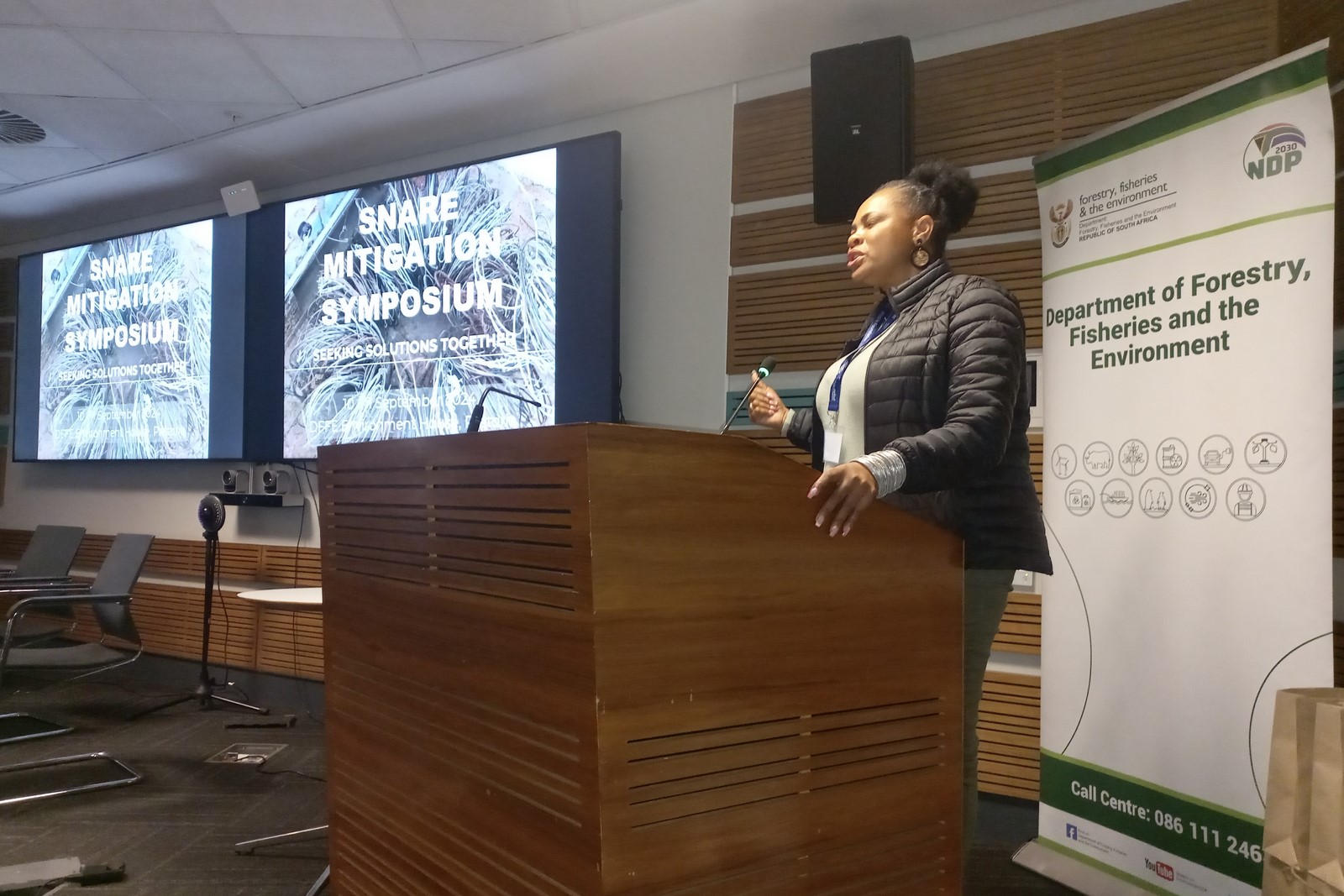
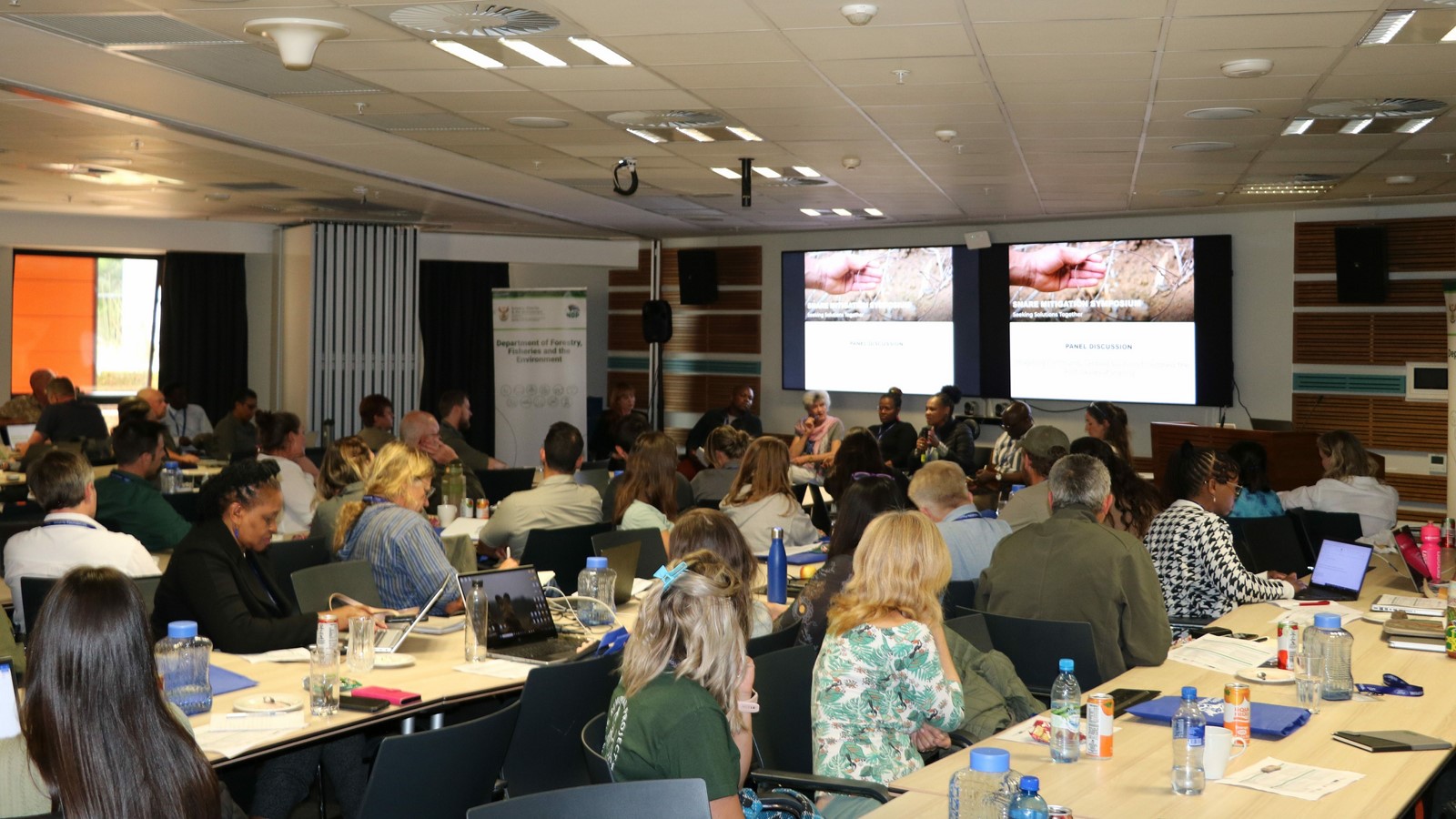
140 delegates attended the inaugural Snare Mitigation Symposium

Twenty-two speakers presented at the Snare Mitigtation Symposium

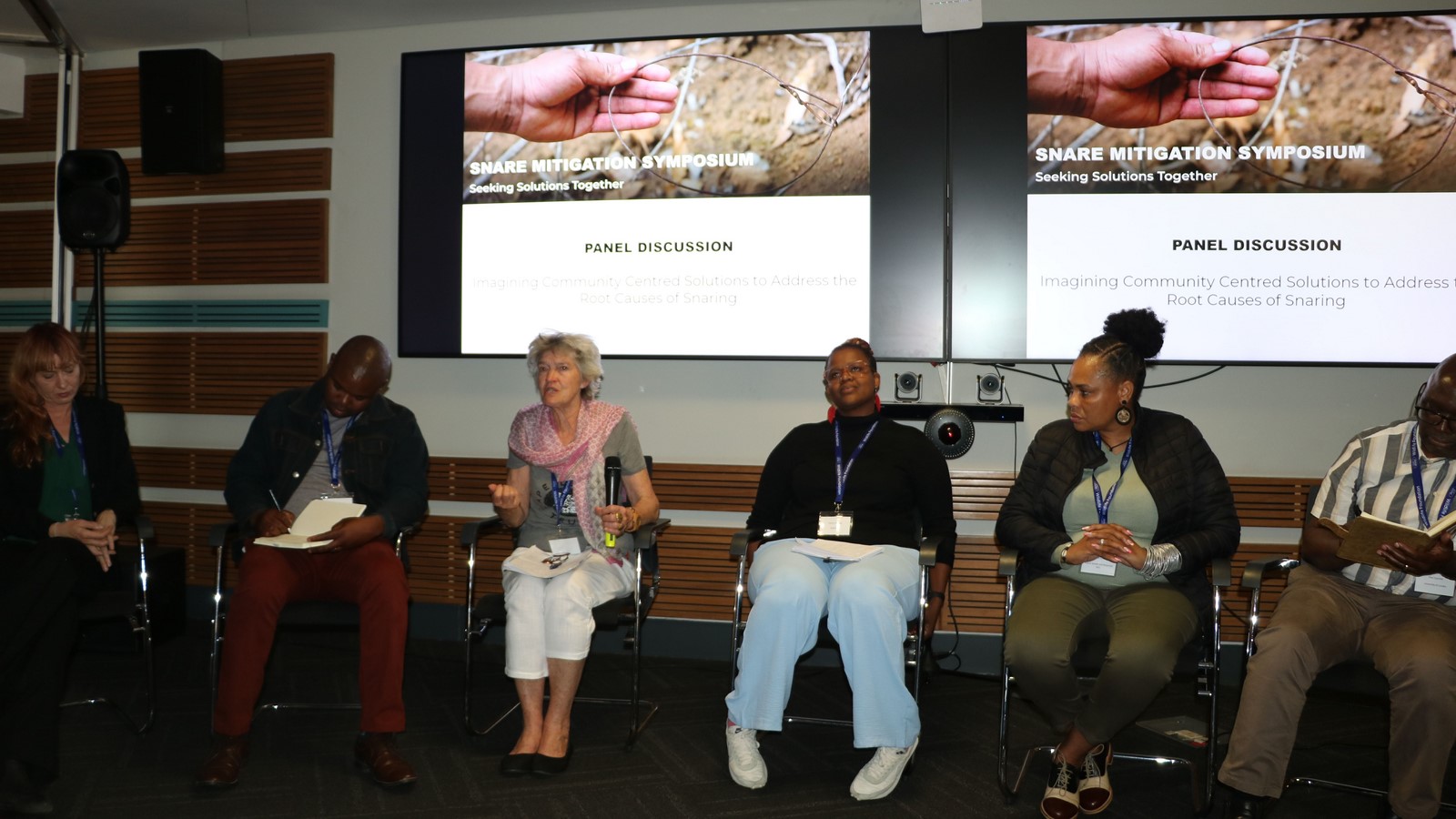
One of the Snare Mitigation Symposium panel discussions

WARNING: SENSITIVE IMAGES BELOW


The importance of less talk and more action to address the snaring crisis in South Africa is key to the conservation of all species.

This, and the need for greater collaboration and partnerships to address the negative impacts from the illegal snaring of wildlife, were among the outcomes of the inaugural two-day national Snare Mitigation Symposium in Pretoria.

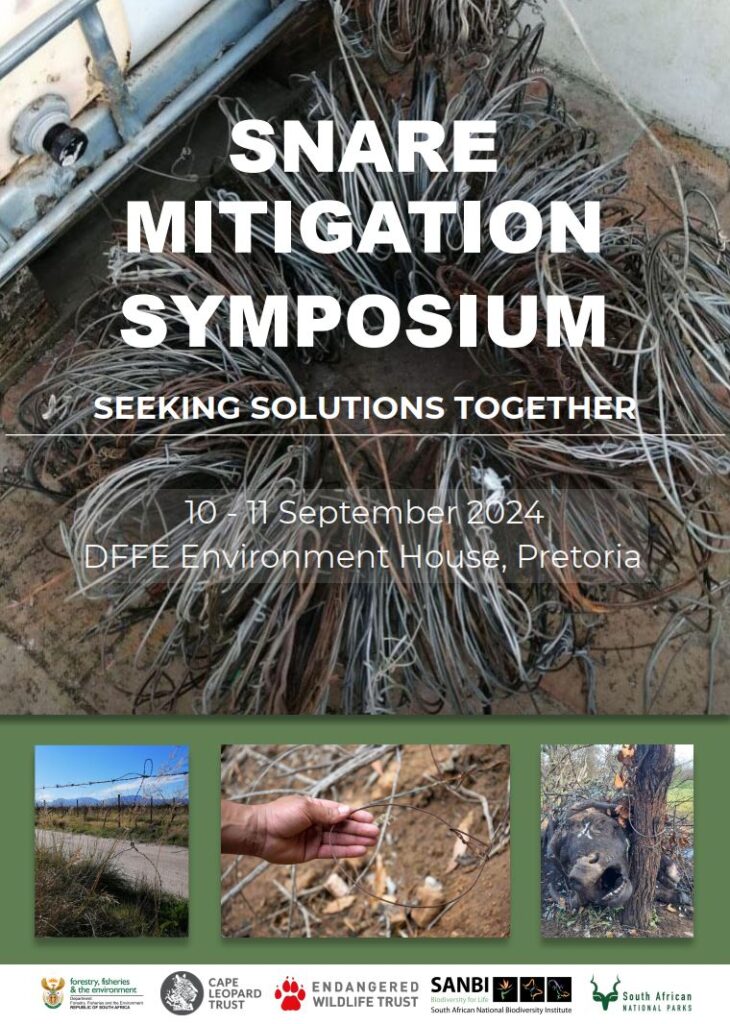
The meeting of 140 delegates delved into the impacts, drivers and solutions to this increasing threat to wildlife and the economy. Co-led by the Department of Forestry, Fisheries and the Environment (DFFE), the Cape Leopard Trust (CLT), the Endangered Wildlife Trust (EWT), the South African National Biodiversity Institute (SANBI) and South African National Parks (SANParks), the inaugural Snare Mitigation Symposium was held at Environment House on 10 and 11 September 2024.

It brought together leading experts in wildlife crime, government officials and representatives of numerous stakeholders across the sector to examine the multifaceted aspects of the snaring crisis. The purpose was to understand existing and potential new complexities, and to share experiences and knowledge to reduce the problem both inside and outside conservation areas, in order to identify and co-create workable solutions for the benefit of people and the environment.

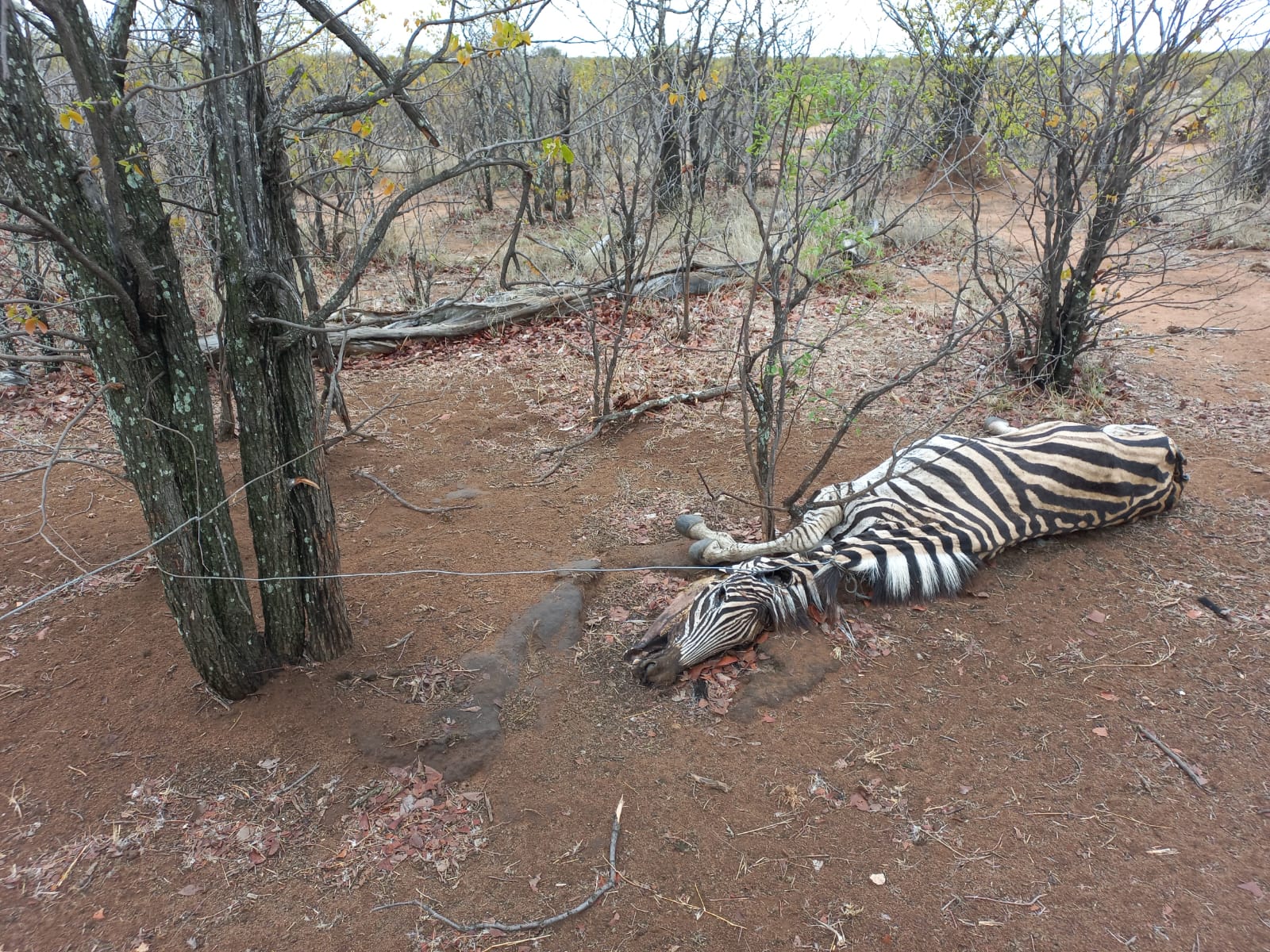
Snaring is motivated by complex socio-economic and cultural drivers and the symposium explored snaring from a myriad of angles and viewpoints. Information gained highlighted that animals are snared largely for personal or commercial use and is occurring at unsustainable rates across all provinces and in diverse landscapes. Sadly, many species including leopard, lion, hyena and other predators are killed as by-catch in snares originally set for bushmeat.

A key insight from the symposium is that we need more community interaction amongst stakeholders towards achieving positive outcomes for this threat to wildlife. Communities living with wildlife, and those linked to snaring, need to form an integral of the solutions being proposed, and to be undertaken, to address snaring.

No solution will be credible without the involvement of the relevant community voices in co-development of solutions. Solutions need to be diverse, purposely inclusive and tailored to, and by, the people living in the affected areas. Technological advances were showcased to improve snare detection and data collection.

Among the legal solutions highlighted by Ashleigh Dore, the EWT’ s Wildlife and Law Project Manager, the need for legal reform to ensure laws applicable to snaring are the same across the country. Ashleigh also introduced a restorative justice approach to respond to snaring. Restorative justice is a holistic, inclusive and problem solving approach to justice that involves all parties involved in or impacted by the crime to (1) identify and respond to harm from the crime and (2) prevent reoffence.

Senior Conservation Manager Lourens Leeuwner, during his presentation on the threats of snaring countrywide, highlighted the results of the EWT’ s recent project and proof of concept to determine whether anti-poaching dogs could be used for snare detection. The Canine Conservation Unit had spent several days testing techniques to detect snares in a farming and conservation area in Limpopo. Using two EWT anti-poaching canines, Ruger and Kisha, the team set snares in the veld before sending out rangers to find the items. While rangers only found some of the snares placed for the test, the canines had, in all cases, successfully tracked the scent of the person who had planted the snares and other items, finding most of the snares. As further proof that this technique works, the dogs were taken on a routine patrol of a farm that has problems with poachers using snares to catch wildlife. During this patrol, Ruger discovered a snare that had been planted by a real-life poacher. While there is a lot more work that needs to be done, this is proof that the concept works – an extra tool in the arsenal to combat poaching.


Among the key decisions adopted as outcomes included further research on the drivers and alternative livelihood solutions, more cohesive legislation to address snaring and other wildlife crimes, more centralised reporting and monitoring to ascertain the extent of the problem, and creating a greater understanding of the impact of snaring not only on biodiversity, but also on the economy and well-being of communities.

At a workshop following the event, the host organisations strategised next steps related to key themes and action points identified during the symposium that will include a wide range of stakeholders. Looking to the future, greater teamwork and communication between State, private sector and civil society will be cultivated to find sustainable long-term solutions for both people and wildlife.


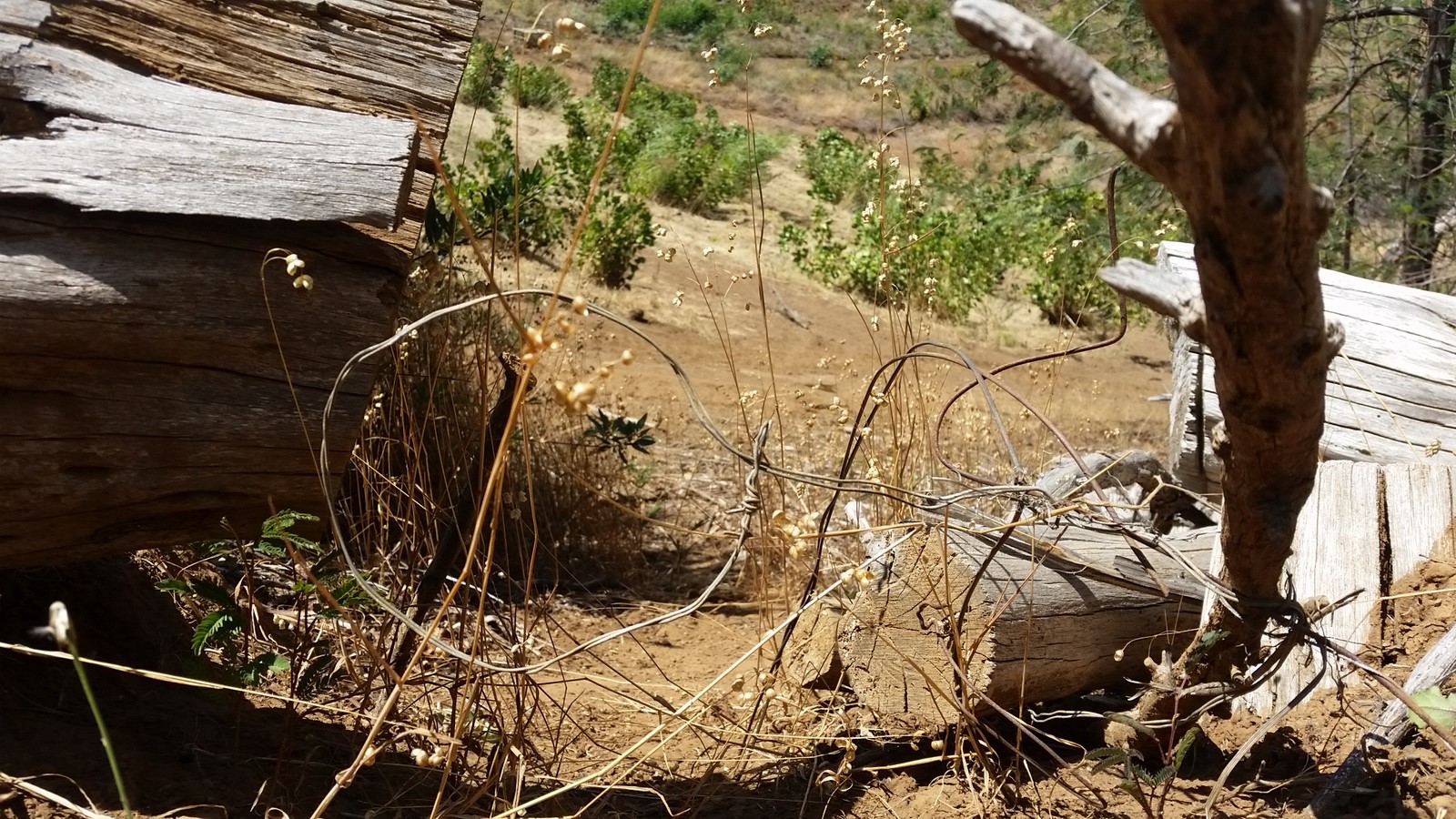
A wire snare set to catch animals by the neck. ©Cape Leopard Trust

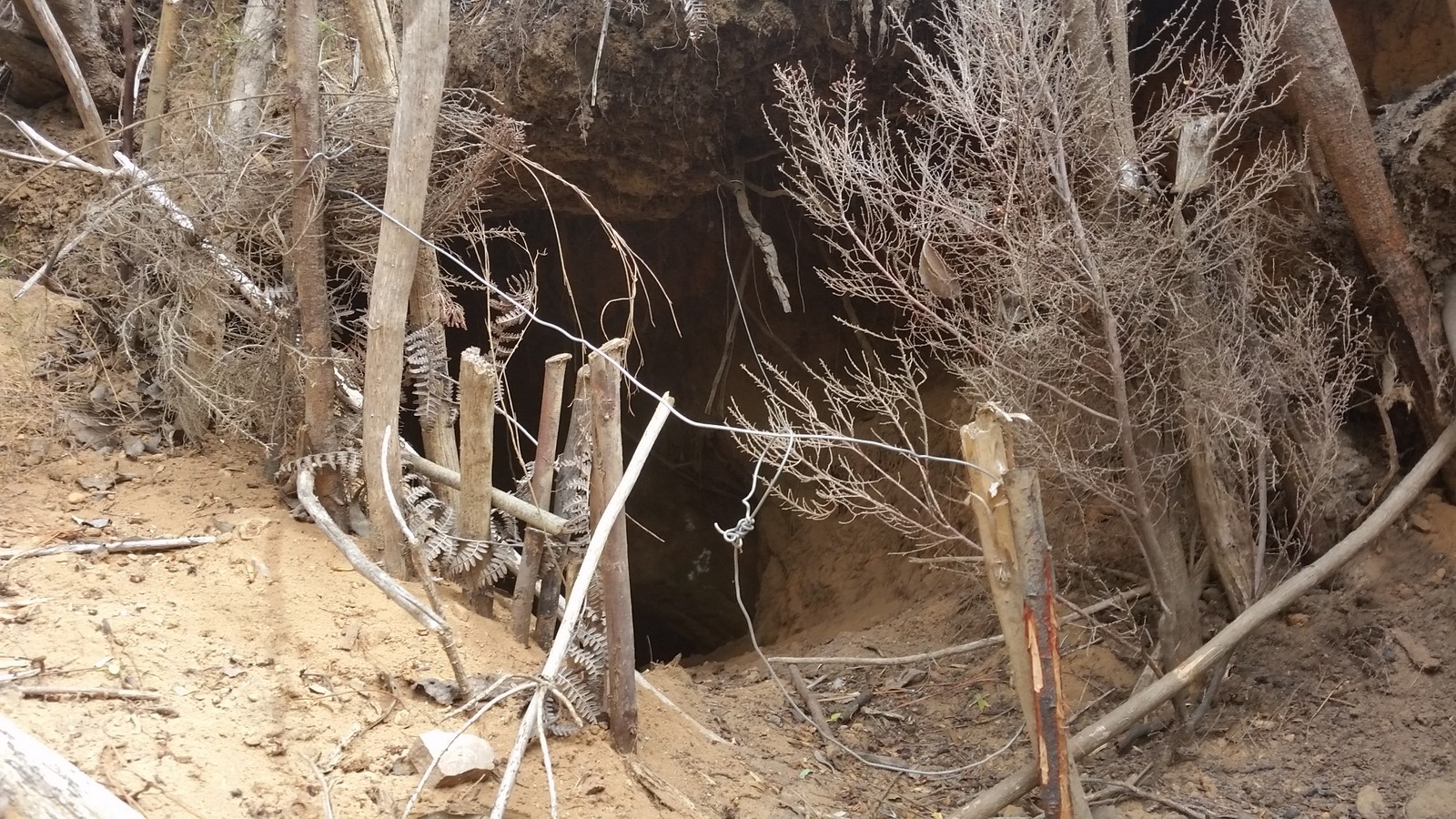
A snare setup in front of an animal burrow. ©Cape Leopard Trust

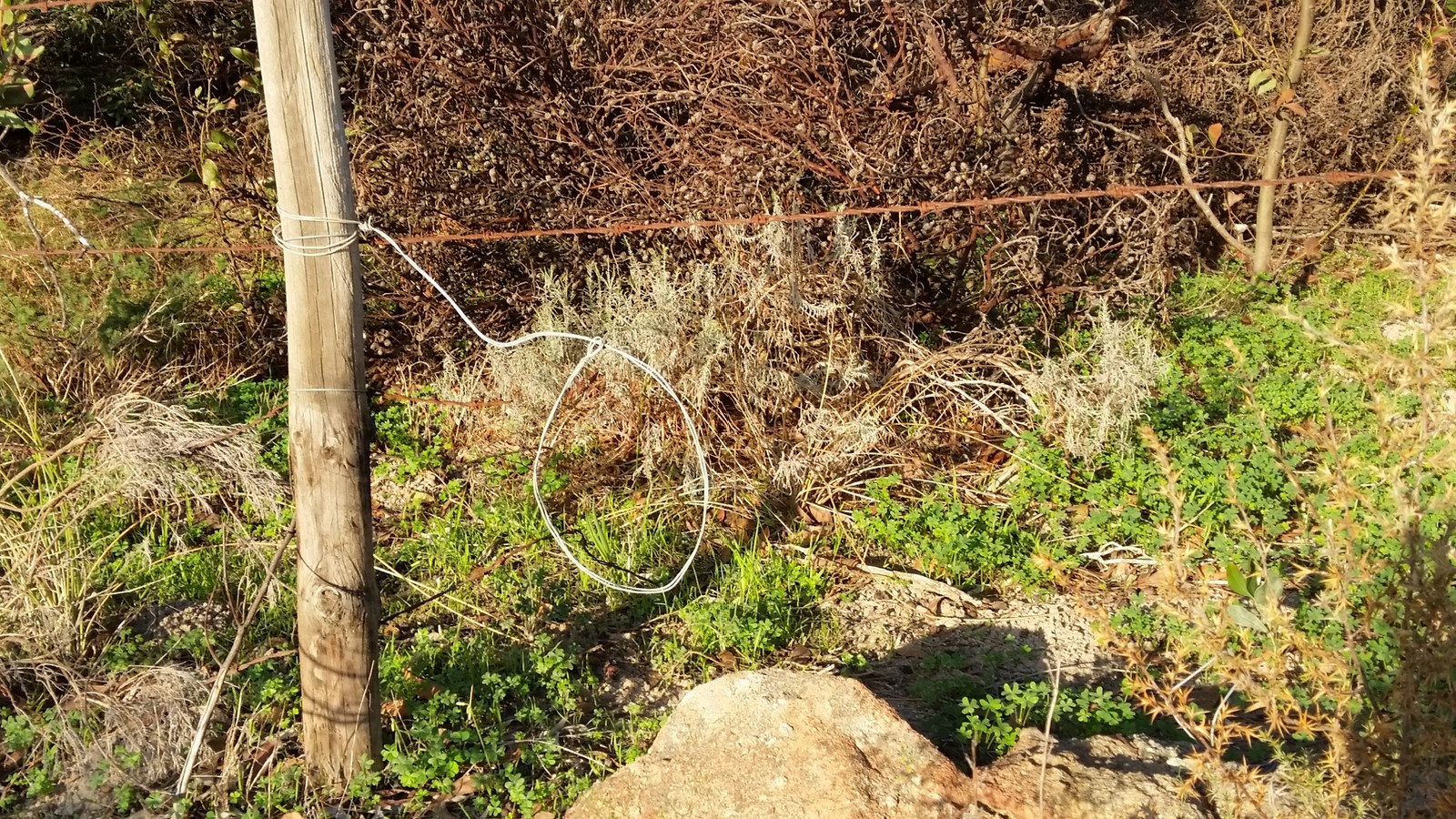
A wire snare along a fence line where many animals move. ©Cape Leopard Trust

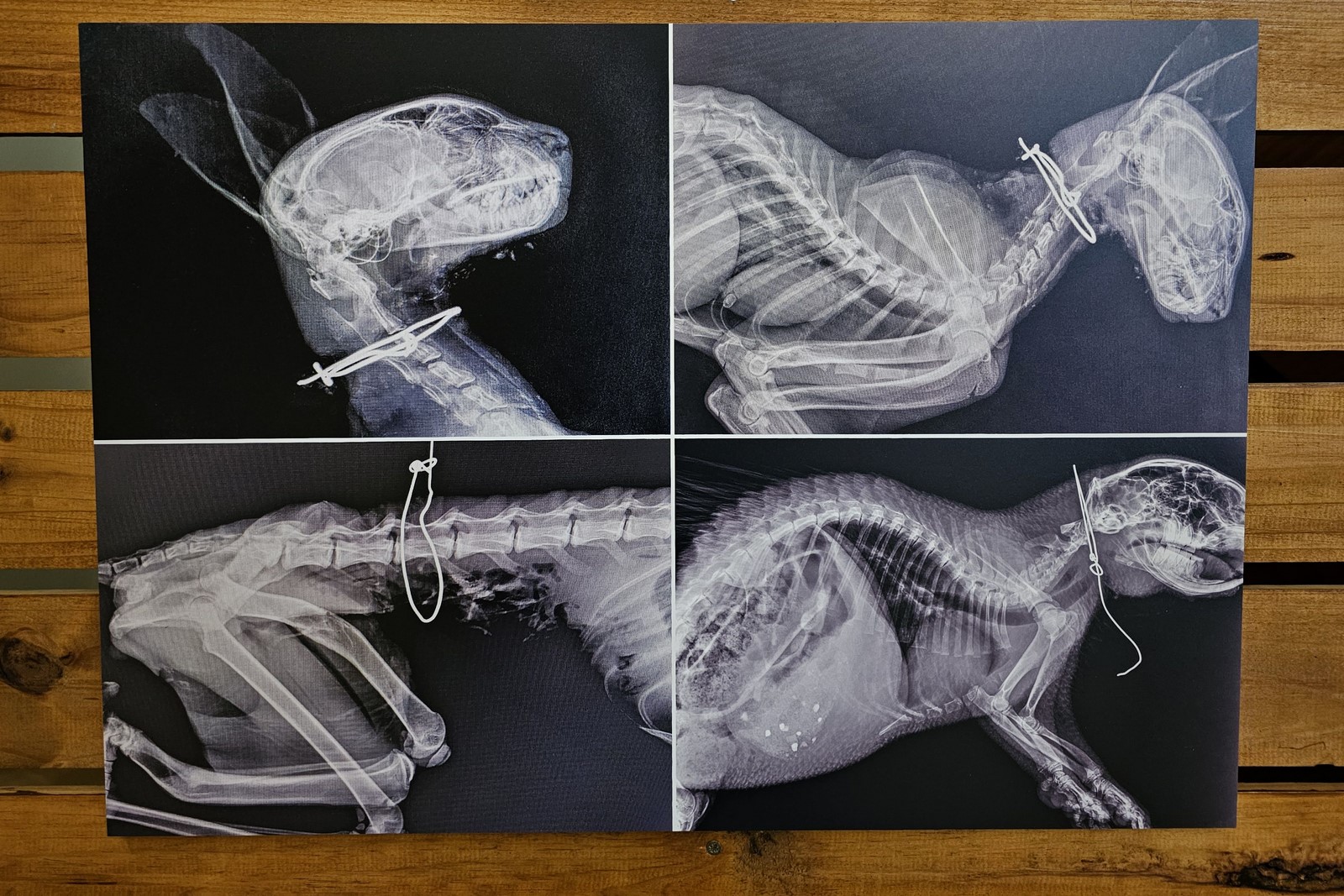
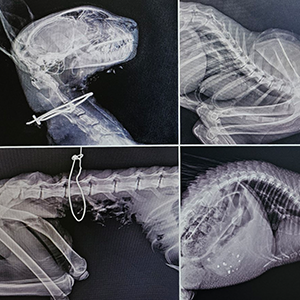
X-ray photos of a caracal and porcupine killed by snares. ©COGH SPCA

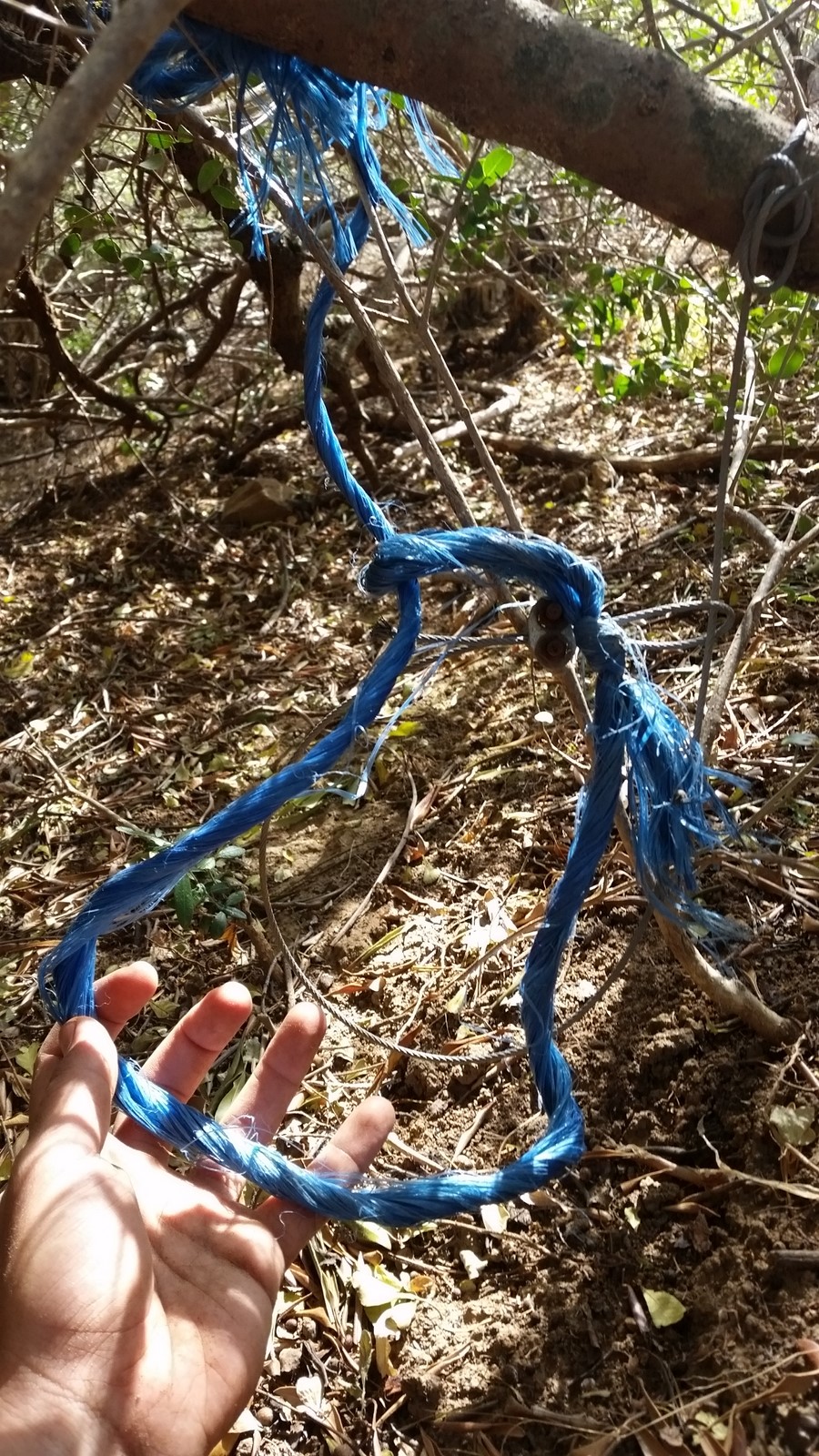
Most snares are made from wire but rope and cable are also used. ©Cape Leopard Trust

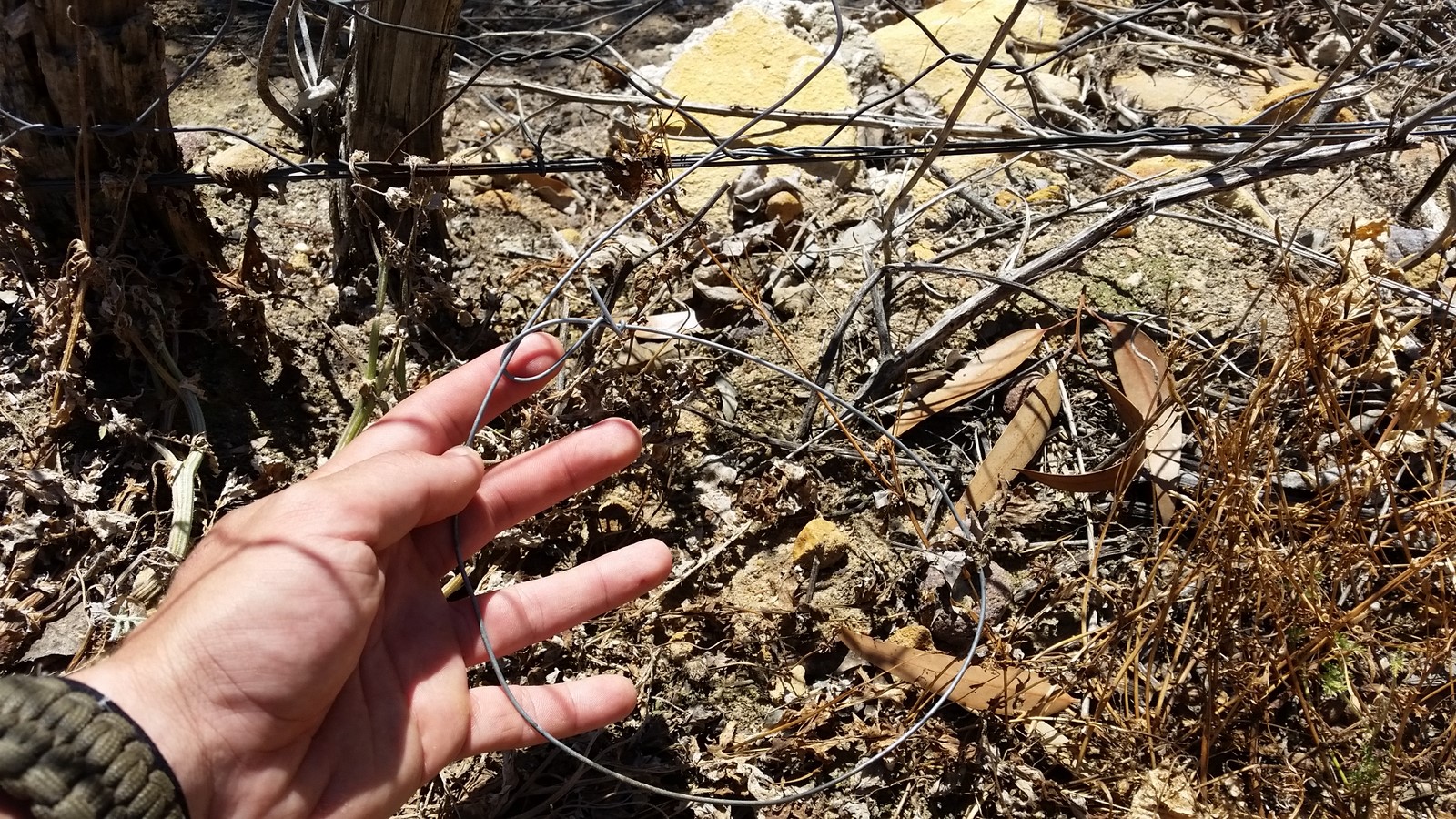
An example of a wire snare. ©Cape Leopard Trust

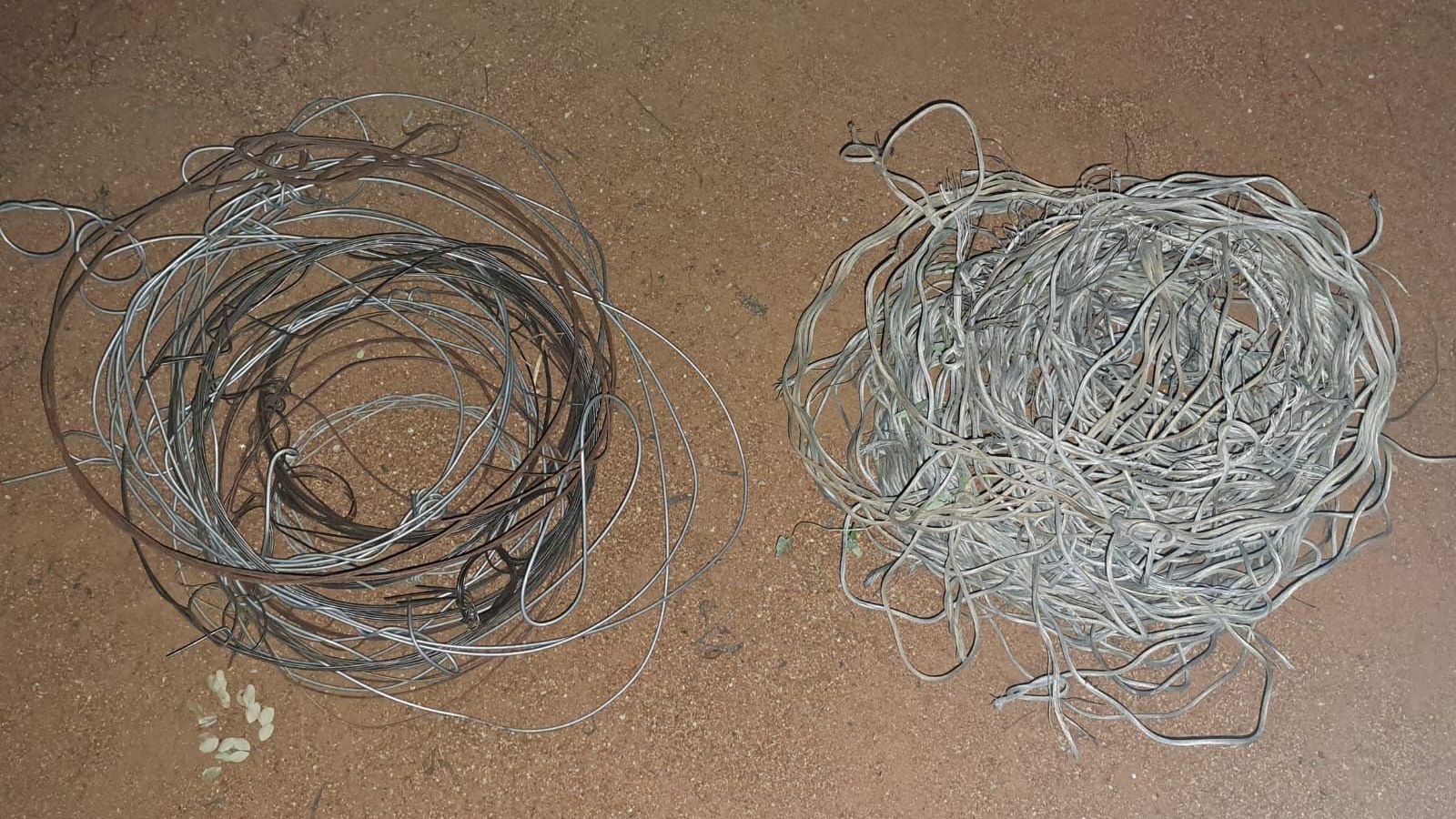
Collected snare material ©Endangered Wildlife Trust

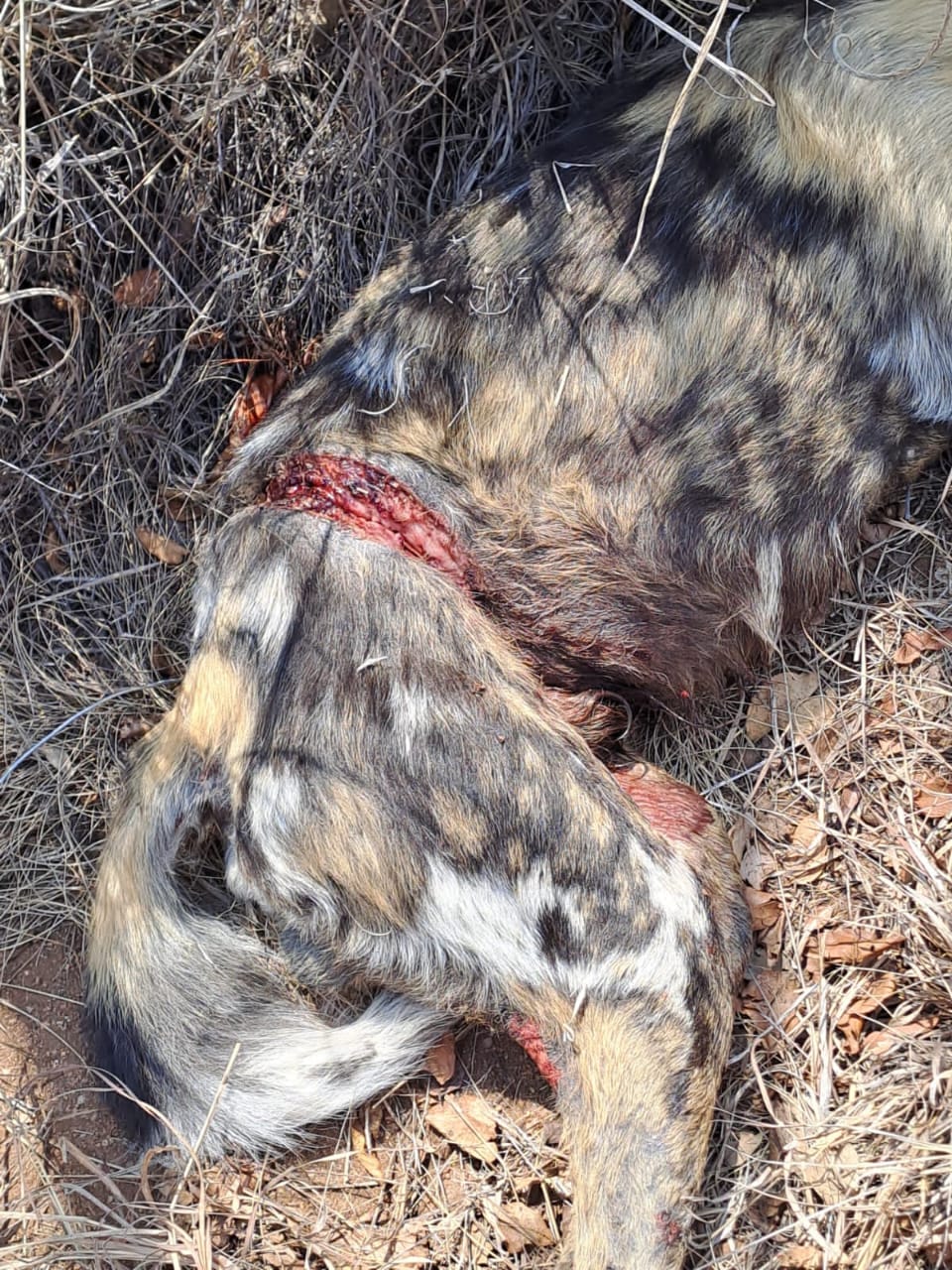
African wild dog found dead in snare ©Endangered Wildlife Trust

Spotted hyena found dead in snare ©Endangered Wildlife Trust

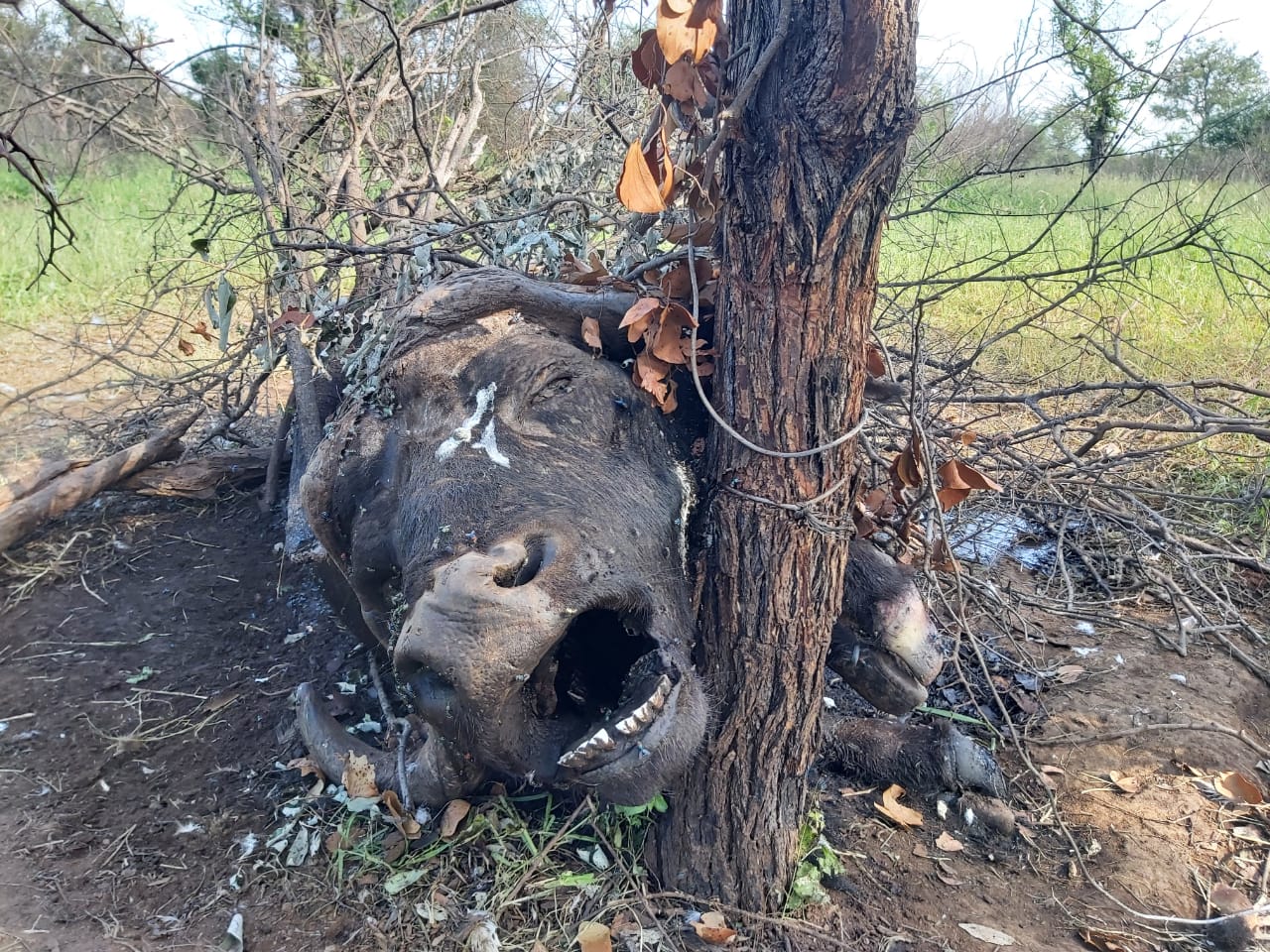
Buffalo found dead in snare ©Endangered Wildlife Trust