Help protect Africa's 

From Participation to Ownership: KwaMkhize Community Leads the Way in community conservation

From Participation to Ownership: KwaMkhize Community Leads the Way in community conservation

From Participation to Ownership: KwaMkhize Community Leads the Way in community conservation

Samson Phakhati, senior field officer in the African Crane Conservation Programme
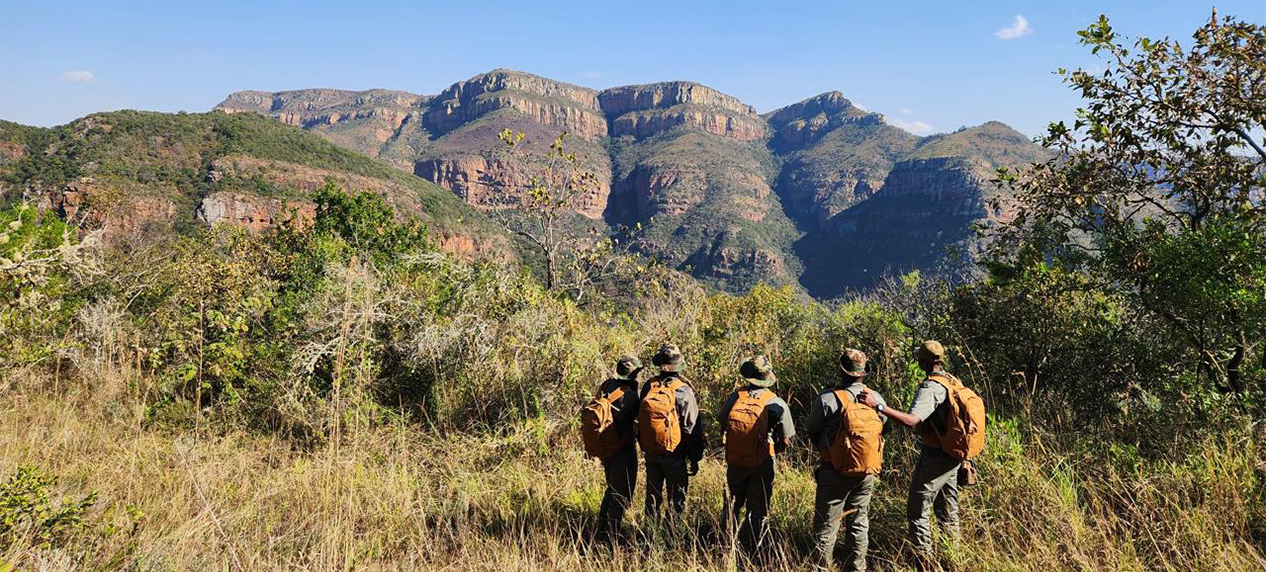
 

KwaMkhize community leading conservation efforts to protect water sources and crane habitat

The last week of August marked a significant milestone for the KwaMkhize community and the partnership between the Endangered Wildlife Trust (EWT) and the International Crane Foundation (ICF) with the launch of the KwaMkhize community’s second community-led spring project.

For seven years, this partnership has focused on strengthening community resilience and self-reliance through an ecosystem goods and services approach. Together with community members, the organisations have explored priorities ranging from rangeland management and land-use planning to spring protection, financial literacy and food security.

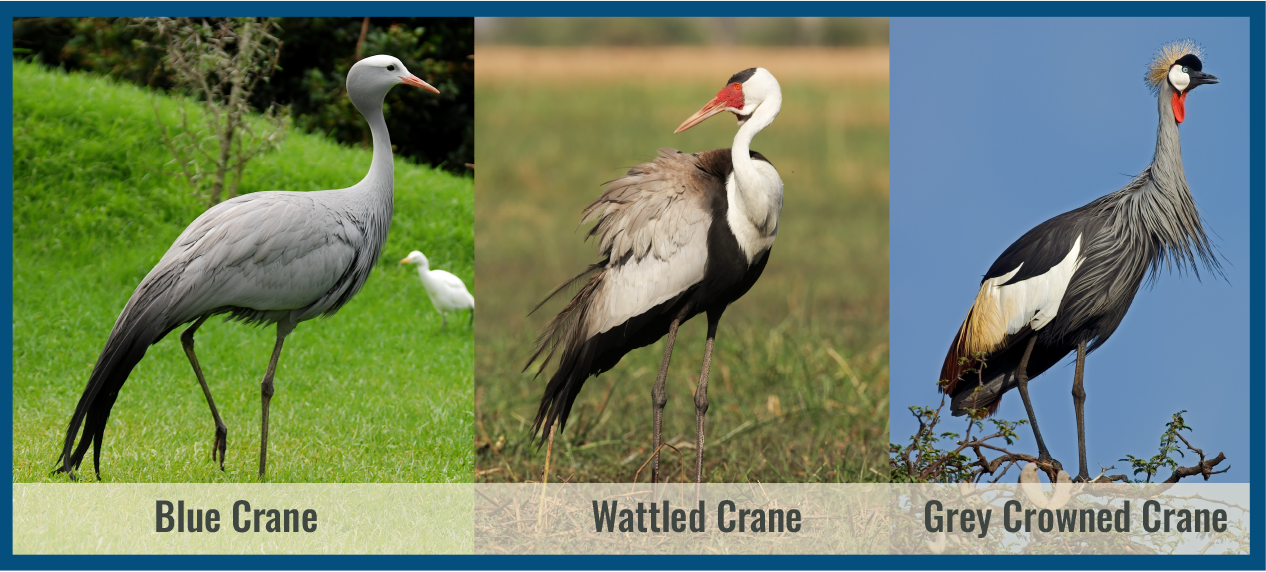
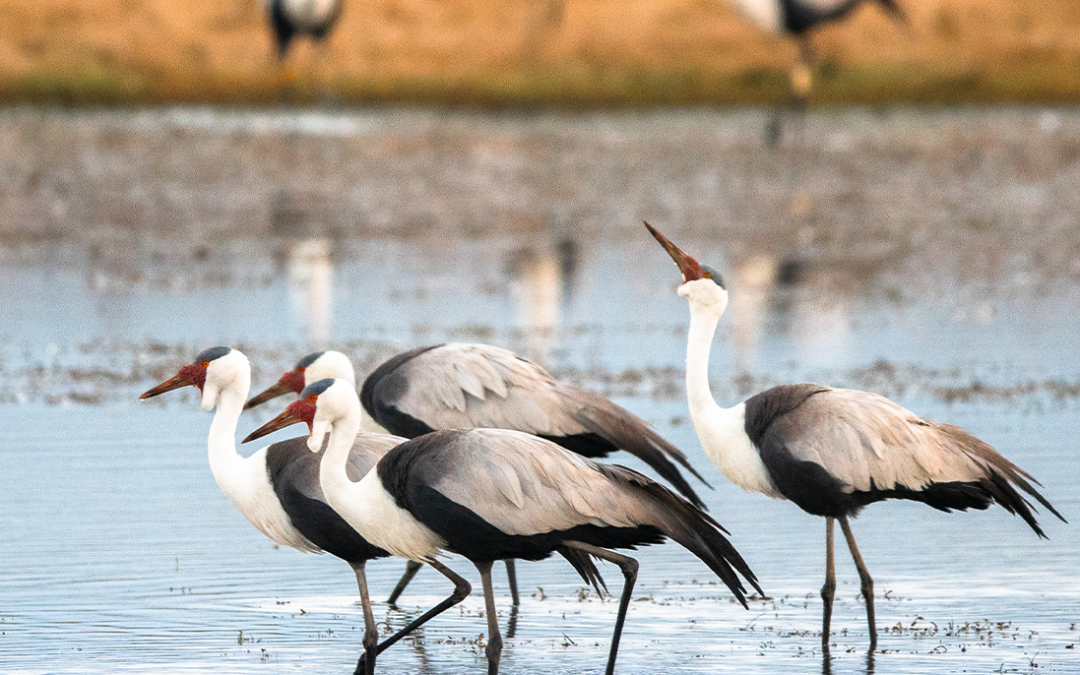
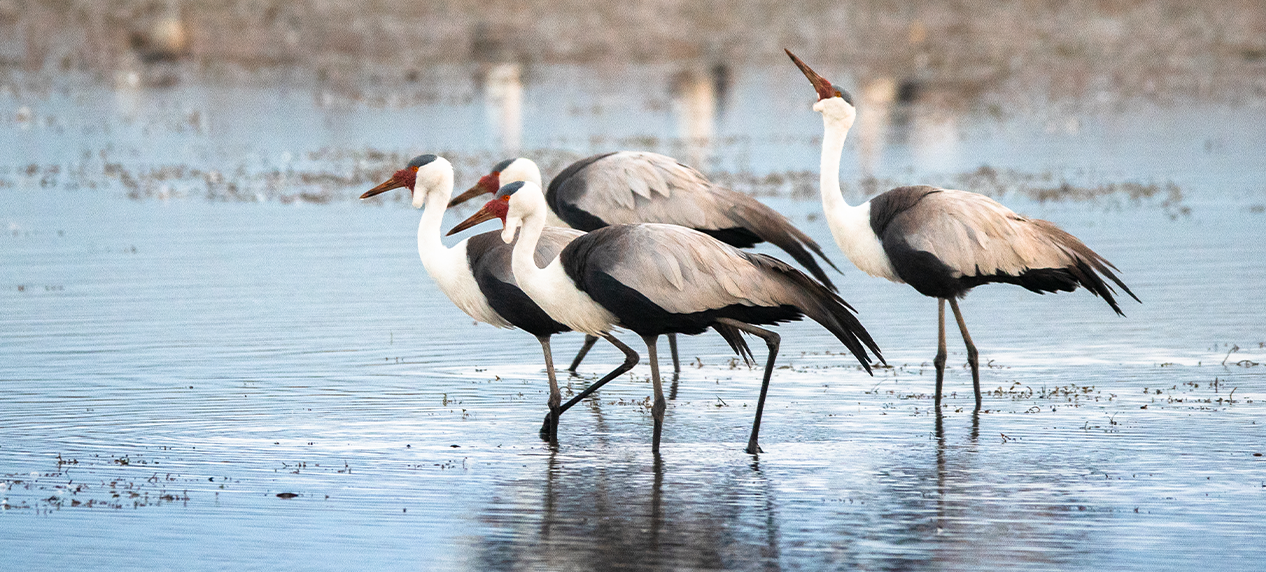
The work is taking place in an area of exceptional importance for cranes. KwaMkhize is a recognised crane hotspot where flocks of more than 100 Wattled Cranes can be seen, alongside Grey and Blue Cranes. In such a landscape, the relationship between healthy ecosystems, sustainable land use and resilient communities is especially important.

Yet achieving meaningful conservation outcomes requires more than identifying areas of ecological importance. It requires an approach that recognises the knowledge, priorities and aspirations of the people who live on and care for the land. Building through facilitation, not prescription

Land-use discussions can be particularly sensitive in areas governed by traditional leadership. Recognising this, the EWT/ICF partnership deliberately adopted an approach centred on facilitation rather than prescription.

Rather than arriving with predetermined solutions, the partnership supported the community in identifying its own priorities and exploring practical ways to address them. Spring protection emerged as an important catalyst.

What began as a focus on protecting vital water sources created opportunities for broader conversations about land-use planning, stewardship, natural-resource management and the community’s long-term priorities.

This approach has helped create space for community members to take an increasingly active role in shaping conservation and development decisions.

Today, the results of this long-term engagement are becoming increasingly visible. The KwaMkhize community has set aside more than 1,000 hectares of natural grassland for ivestock grazing and conservation—an important step towards protecting valuable habitat while supporting sustainable livelihoods.

But perhaps an even more powerful demonstration of progress came pm 23 August with the launch of the community’s second community-led spring protection project.

This time, the community did not simply participate in a project initiated by external partners. It independently mobilised and raised R50,000 towards materials, preparatory work and labour. That achievement represents much more than a financial contribution. It demonstrates growing confidence, collective action and ownership. It shows that the community is increasingly able to identify its own needs, mobilise its own resources and draw on its own knowledge and capacity to turn priorities into action.

A model for self-reliance

The spring protection project is therefore about far more than protecting a source of water. It represents what can happen when communities are supported to lead rather than simply participate. It demonstrates that conservation can become a vehicle for strengthening citizenship, resilience and self-reliance when communities are given the space and support to determine their own priorities. For the EWT and ICF, the journey with KwaMkhize reinforces an important lesson: lasting conservation outcomes are strongest when they are rooted in local ownership.

The goal is not simply to deliver projects in communities. It is to build the relationships, knowledge and confidence that enable communities to lead their own conservation journeys long after an individual project has ended. KwaMkhize is showing what that transition can look like—from participation to ownership, from external support to local mobilisation, and from consultation to collective action.

Community-led spring protection supporting water security and conservation in KwaMkhize

Crafting their own destiny

The progress made over the past seven years is a powerful reminder that resilience cannot simply be delivered from the outside. It is built through relationships, shared knowledge, practical action and the confidence to take ownership of the decisions that shape a community’s future. The KwaMkhize community is increasingly demonstrating that capacity. As the community continues to protect its natural resources, manage its land and invest its own resources in local priorities, it is helping to build a future in which conservation and community wellbeing reinforce one another.

This is what community-led conservation can achieve: not communities participating in someone else’s vision, but communities crafting their own destiny. The EWT and ICF are immensely encouraged by this journey and proud to walk alongside the KwaMkhize community as it continues to lead the way.

** The EWT would like to thank the N3TC and Paul King Foundation for their support.
EVERY COUNT MATTERS: South African Crane Census

EVERY COUNT MATTERS: South African Crane Census

EVERY COUNT MATTERS: South African Crane Census

By Lara Fuller, Drakensberg Project manager, African Crane Conservation Programme


Endangered Wildlife Trust crane conservation fieldwork

The Endangered Wildlife Trust (EWT) and International Crane Foundation (ICF) partnership has been working on crane conservation alongside key partners such as Ezemvelo KwaZulu-Natal Wildlife, the KwaZulu-Natal Crane Foundation, and Eskom for the past 30 years. These collaborations have resulted in significant advances in crane conservation across South Africa.

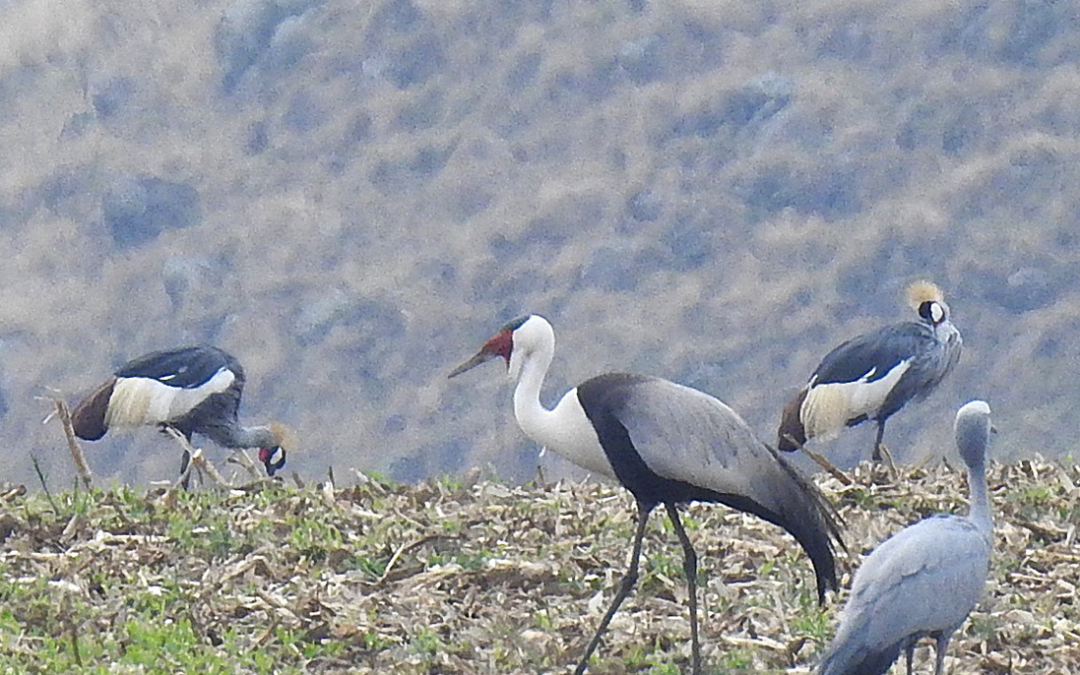
Between 1998 and 2006, a National Crane Census was conducted annually to estimate population sizes and monitor the distribution of the three crane species: Blue, Wattled, and Grey Crowned Cranes. This valuable data was collected by South African citizens, demonstrating the power of public participation in conservation.

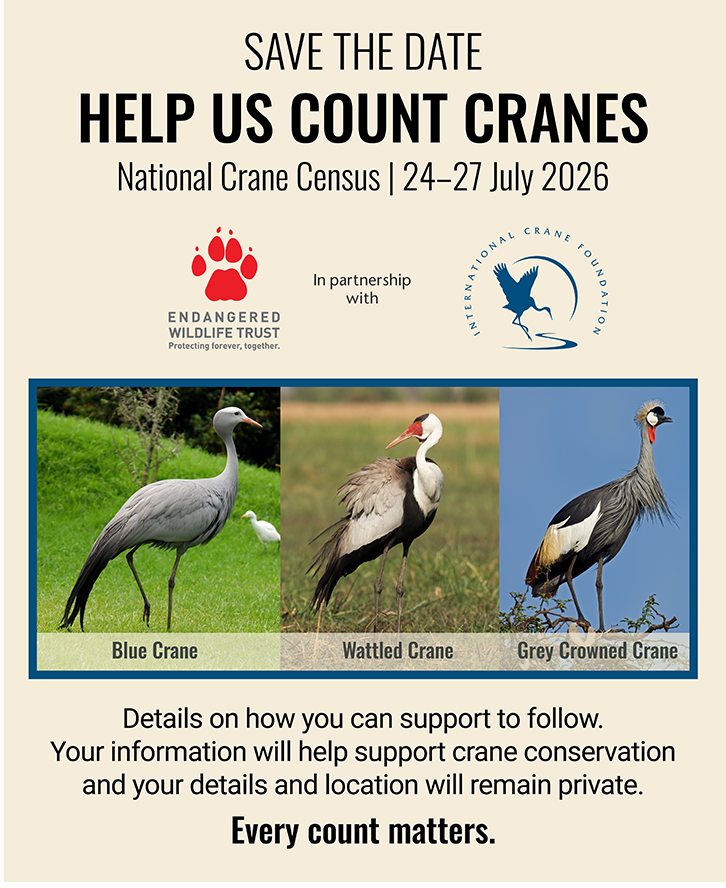
Now, after two decades, we are restarting the Crane Census, using modern technology – in this instance WhatsApp – to make it easier than ever for people across the country to participate.

We are calling on all South Africans to assist us in this important Citizen Science initiative. It is vital that we verify whether observed increases and declines in crane populations are accurate. By working together, we can better understand these trends and contribute to meaningful conservation action.

Each crane species has unique ecological requirements, and expanding our understanding of these needs is essential for their long-term survival.

Wattled Crane

In 2025, the Wattled Crane in South Africa was downlisted from Critically Endangered to Endangered, with an estimated population of approximately 288 individuals, primarily in KwaZulu-Natal. This represents a significant conservation success.

However, this population remains critically small, and the increase has been largely confined to KwaZulu-Natal. In Mpumalanga, the breeding population has declined dramatically from 45 pairs in the 1990s to just 4 pairs in 2025.

Understanding the current distribution of Wattled Cranes across South Africa is essential to ensure continued conservation success and to support future range expansion. The South African Crane Census will play a key role in identifying populations outside of KwaZulu-Natal.

Grey Crowned Crane

The Grey Crowned Crane population in South Africa is currently considered stable, with an estimated 7,000 individuals, although the species remains classified as Endangered.

Notably, South Africa hosts the only population in Africa that is not in decline. Annual aerial surveys conducted in KwaZulu-Natal show steady population growth. However, outside of this province, very little is known. Existing data suggests that declines may be occurring elsewhere in the country.

The Crane Census will help determine whether these suspected declines are real and where conservation efforts should be focused.

Blue Crane (South Africa’ s National Bird)

The Blue Crane, South Africa’ s national bird, has unfortunately been uplisted to Vulnerable due to population declines in the Western Cape and potentially in the Karoo.

The current population is estimated at approximately 30,000 individuals, reflecting a 39% decline since 2010. As this species is endemic to South Africa, its global survival depends entirely on conservation efforts within the country.

There is also evidence that the Blue Crane’ s range is shifting northwards from the Western Cape and westwards in the Karoo, highlighting the need to better understand how this species is adapting to changing landscapes.

The Crane Census will provide critical insights into current distribution patterns and habitat use.

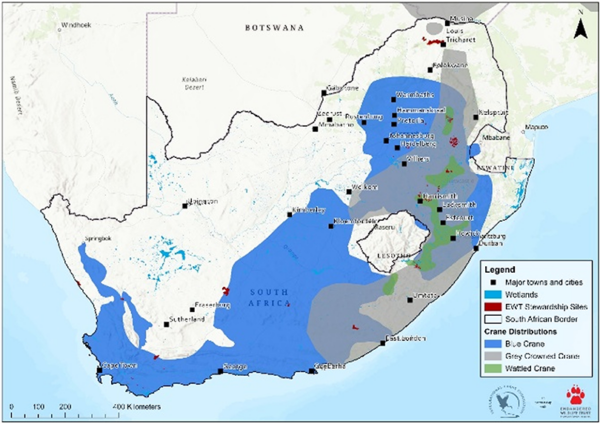
Mapping crane range shifts in South Africa

Collaborative crane conservation research partnerships
Poison workshop brings stakeholders together

Poison workshop brings stakeholders together

Poison workshop brings stakeholders together

By Lara Fuller, ACCP Drakensberg Coordinator, EWT/ICF partnership
 

The African Crane Conservation Program (Endangered Wildlife Trust/ International Crane Foundation Partnership) Drakensberg project is uniquely placed in the foothills of the majestic mountains of the Eastern Escarpment.

The Great Escarpment is a significant geographical feature characterised by high cliffs, steep slopes and higher inland plateaus. It separates the higher interior plateau from the lower narrow coastal strip and is an area of high biodiversity and endemism, and equal cultural diversity.

Across this landscape there are a range of focal species and non-focal species that are impacted by poison incidents or background chemical toxicity. Further to this, there are underlying health risks to human well-being associated with the illegal use of chemicals. This discipline is an understudied topic and is a very complex space to work in.

Recently, my colleague Samson Phakathi and I were invited by the Ezemvelo KwaZulu-Natal Honorary Officers (a dedicated group of volunteers committed to support EKZN Wildlife provincial Wildlife Authority) to present a wildlife poison mitigation workshop.

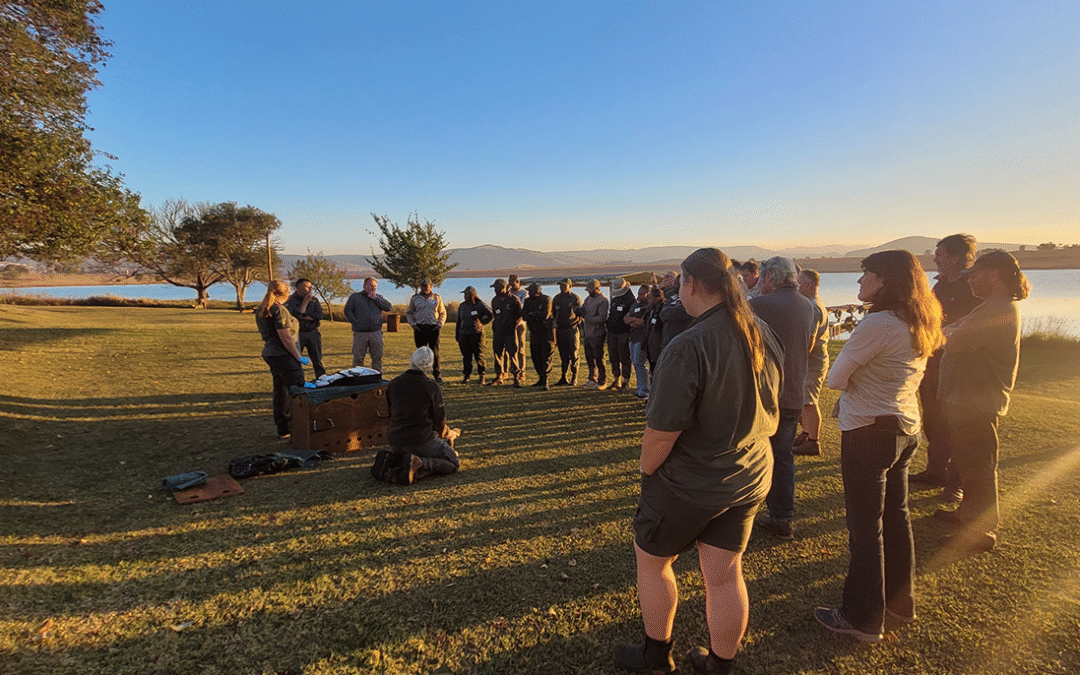
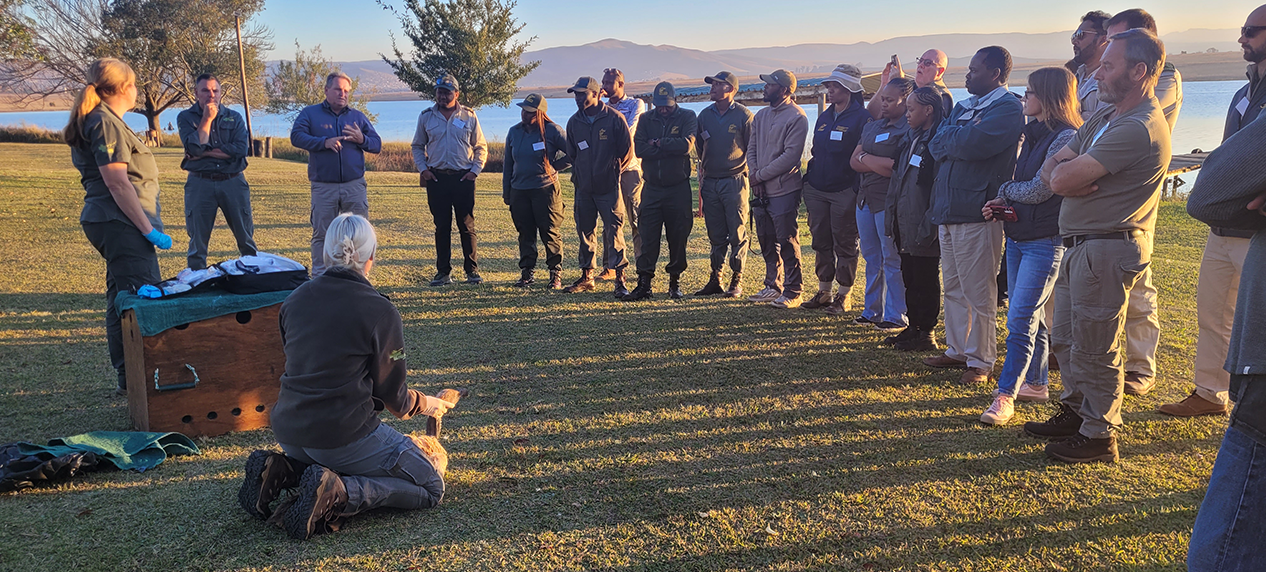
The three-day workshop aimed to educate attendees on the signs of wildlife poisoning, personnel protection, what action should be taken and how to collect evidence for a criminal case. The more than 40 attendees included representatives of NPO’ s, KZN Wildlife Honorary officers, professional forensic experts, and Environmental Management Inspectorate members (EMI), and a couple of former law enforcers. It served as a refresher to some individuals, but the majority were there to hear about the impact of poisoning on wildlife for the first time.

As always in conservation it is paramount to ensure that the correct individuals are working together for the benefit of our landscape. Connecting individuals from diverse backgrounds is not always easy, but it is necessary for conservation success. Besides hosting a social event as a means of building working relationships, local wildlife rehabilitation centre, FreeMe, demonstrated how to respond to live wildlife poison cases, and the importance of handling during poisoning cases.  Investipol, a professional investigation and spill response unit, shared their knowledge and experience, while the Ezemvelo KZN Wildlife officials discussed the difficulties of implementing existing laws.

The outcomes of this event were multi-dimensional and included the expansion of the poison response team, new connections made for long-term collaboration, a greater understanding of localised community poisoning events and a direction to raise awareness about the incorrect use of chemicals. From this event two more workshops were requested in Northern and Central KZN.  We are grateful to every individual who participated and we look forward to seeing the difference in our landscape. 


** The EWT would like to thank the Paul King Foundation and N3tc for their support.

Nandi’ s Journey: Lessons from a Wattled Crane’ s Rehabilitation

Nandi’ s Journey: Lessons from a Wattled Crane’ s Rehabilitation

Nandi’ s Journey: Lessons from a Wattled Crane’ s Rehabilitation

By Jacquie van der Westhuizen, Drakensberg field officer for the African Crane Conservation Programme, EWT and ICF partnership

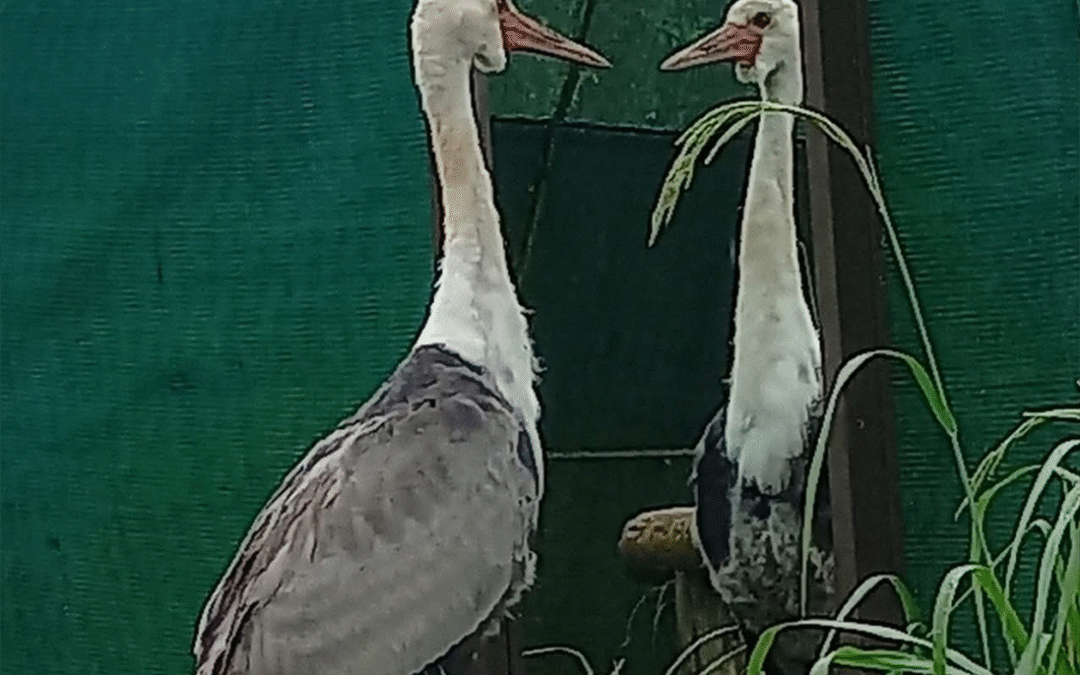
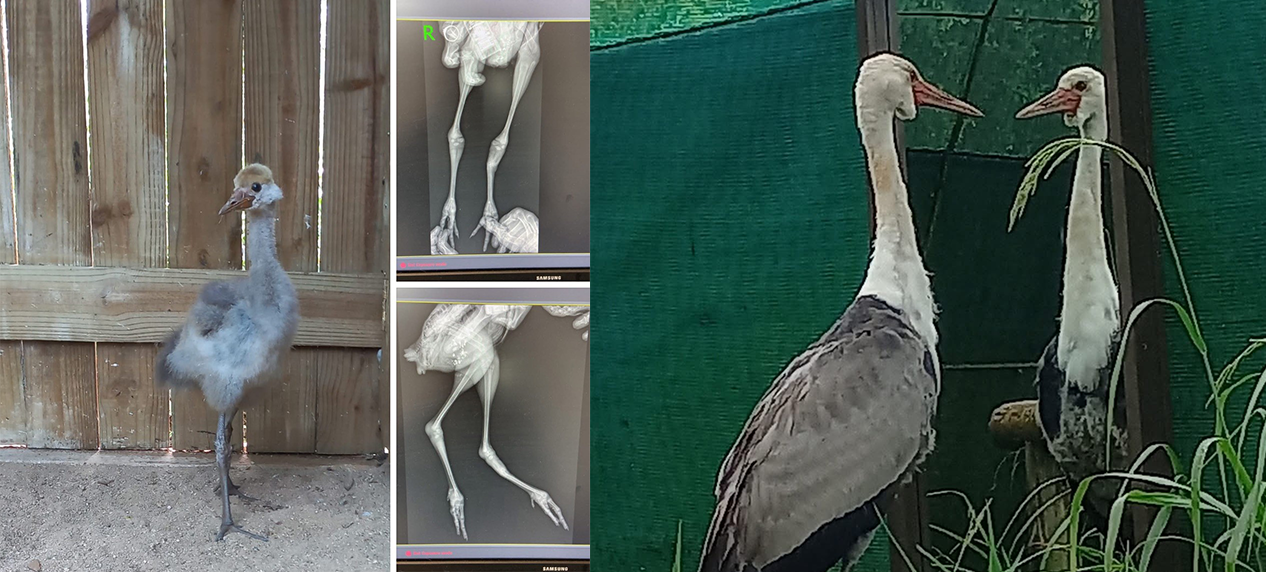
Left: This was the X-ray taken showing her broken leg just under the left “knee” Right: Nandi sees himself in a mirror and thinks it’ s another wattled crane.


Nandi, in Zulu, means pure, pristine and enduring power. This couldn’ t be more descriptive of what Wattled Cranes need to survive.  In an ideal world, a pristine habitat would’ ve guaranteed longevity, and the power to endure would have cemented the survival success of the cranes. But we do not live in an ideal world, and things are not perfect.

In August 2024, we received a distraught call from a dedicated Wattled Crane farmer, who had restored his wetland to encourage Wattled Crane breeding, to inform us that his six-week-old Wattled Crane chick was not mobile. We went out to check on the chick with Brent Coverdale of Ezemvelo KwaZulu-Natal Wildlife to assess the problem.  As an Endangered species, every bird matters.  Once we determined that the chick was unable to walk, we decided to take it to the FreeMe Wildlife Rehabilitation Centre in Howick.

After having X-rays done, it was discovered that the chick had a serious fracture in one leg, very close to the growth plate. Dr Margie Roach determined that surgery would not be possible. In some ways, this was a good thing because as the chick grew, the break repaired itself in a process where the growth plate pushes out soft cartilage, which later hardens into bone.  This, in effect, repaired the break under the careful eye of the FreeMe team.

Nandi’ s leg healed perfectly and straight.  You would never say she had had a broken leg!  While at the rehabilitation centre, Nandi was raised using the isolation rearing method, which prevents a crane chick from imprinting on humans.  However, she was still habituated to people, and so a team of 10 or so people met to discuss her future.

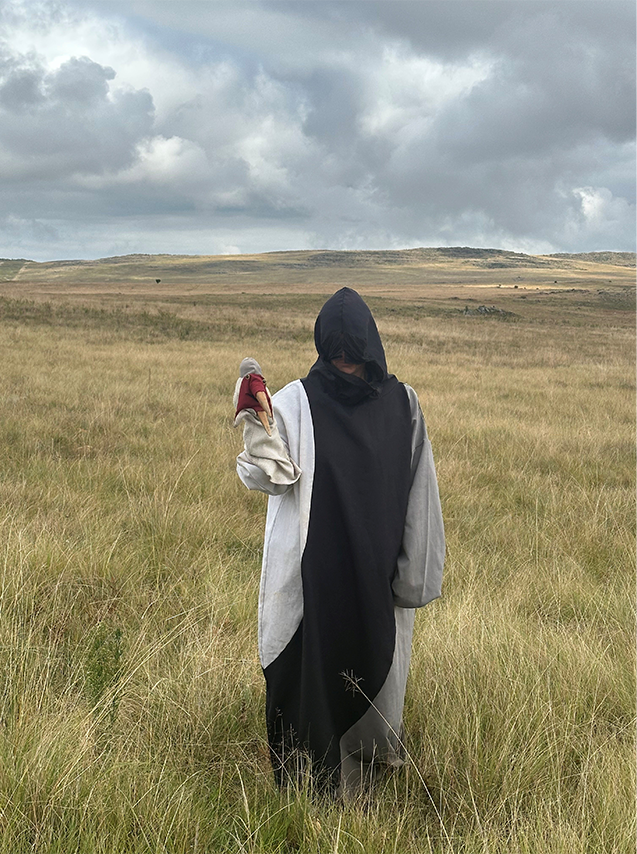
By then, Nandi had not seen another Wattled crane since she was six weeks old. She had been taught how to eat, forage and fly by a surrogate crane in the form of a human in a crane suit. In addition, she had not had much flight practice. Although the flight tunnel at FreeMe was available to her, there was not enough space for a true flight.

Wattled Cranes need to spend at least three to four years in the non-breeding flock to ensure that they learn about survival from the older birds. Although Nandi was from KwaZulu-Natal, we decided that because she was not flight fit and still had a naive outlook on life, it would be better to integrate her into a floater flock that was not too intimidating and where she would not face the variety of threats present in the local landscape.  A decision was made to move her to a pristine wetland in Mpumalanga to live with a bird that had been living alone for a decade or so.

Nandi was fitted with a backpack tracker and colour rings and released close to the wild crane when she was almost nine months old. Having none of this, the wild crane moved off to the top end of the wetland and kept his distance.

After her release, we monitored her every day, arriving at approximately 6.30 am with bated breath, hoping she had survived the night and hoping by some miracle that the two cranes were together.

Eleven days after releasing Nandi, we arrived at the wetland and to our absolute amazement, the two cranes were together.  Words cannot describe the feelings of overwhelming joy we felt after everything Nandi had been through.  My first call was to Lara Fuller, my colleague in the African Crane Conservation Programme, at about 6.45 am to tell her and the rest of the team the good news!

We watched them closely, monitoring the interactions between the two.  The wild crane’ s mate had died a few years ago, and it had been alone in the wetland since.  So we weren’ t sure how it would react to a new crane either.   The motive for releasing Nandi with the wild crane was not for them to pair up—firstly, Nandi was too young (Wattled cranes only start breeding between the ages of three and six), and secondly, we did not know the sex of the wild crane.  We hoped this was the start of a floater flock.

From their behaviour, it became apparent that the wild crane had become the parent, with Nandi following it everywhere.  Our daily observations were important for our crane research, as this was the first time that a rehabilitated wattled crane had been released back into the wild. This meant that everything she/they did was new and undocumented.

One night, we left them after dark; the wild crane looked like he had put Nandi to bed.  She had settled herself into a patch of long reeds in the wetland, with the wild crane looking on. Then it left and went to its normal roosting spot a few hundred metres from her.

The next morning, there was no sign of Nandi. The wild crane was also looking for her.  It was the saddest thing to see.  Nandi’ s tracker had not moved for hours.   Tragedy had struck, and after searching for her, we found her.  She had been killed by a predator, most likely a caracal—we deduced this from the bite pattern. Predators are known to have a significant impact on the survival of crane chicks, estimated at a 50% mortality rate.


Disappointment for everyone involved.

Although the outcome was not what we had hoped for, we now have a greater understanding of how to improve techniques for future crane rehabilitation. Unfortunately, as the species has increased over the last two decades, we are likely to see more and more birds being brought into landscapes not ideal for the species and succumbing to possible threats.

Perhaps one of Nandi’ s greatest legacies will be the inspiration that she brought to those working in conservation in Mpumalanga. Her loss has inspired further work within this region and may form a new strategy in the South African landscape to expand the Wattled Crane range in Mpumalanga.

Nandi’ s quiet endurance may be her species’ future!


Lara Fuller (Drakensberg Project Coordinator) in a crane suit, walking Nandi to the wetland

Wattled Crane downlisted regionally

Wattled Crane downlisted regionally


Wattled Crane downlisted regionally from Critically Endangered to Endangered

Wattled Crane downlisted regionally


Concerted and targeted conservation efforts by the Endangered Wildlife Trust/International Crane Foundation partnership, Ezemvelo KwaZulu-Natal Wildlife (EKZNW), other NGOs and farmers and landowners across the Drakensberg, have delivered another success—the downlisting of the Wattled Crane from Critically Endangered to Endangered.  

 The regional downlisting is a remarkable conservation success and will be published in the latest edition of the IUCN Red List of Threatened Species at the end of May 2025.  Wattled Cranes (Bugeranus carunculatus) were listed as regionally Critically Endangered in 2015 with only 267 individuals recorded in the KwaZulu-Natal aerial survey of that year. This aerial survey has been conducted for 32  years in partnership with Eskom and EKZNW as  KwaZulu-Natal is the stronghold for the species in South Africa.  

 A regional downlisting means that in South Africa, the Wattled Crane is no longer declining, but the population remains small and vulnerable to threats with an estimate population of only 304 being counted in 2024. Despite this positive trend in KwaZulu-Natal, the global population (including, but not limited to South Africa) remains on the decline and urgent conservation attention is required to safeguard populations outside of KwaZulu-Natal.  

 The latest downlisting follows the reclassification of Cape Vulture from Endangered to Vulnerable in 2021, also due to the success of targeted conservation efforts by a large number of organisations, including the Endangered Wildlife Trust and partners. 

 The EWT began research and conservation action to Africa’ s crane species in 1994. Efforts to-date have included monitoring, research to better understand their movement and ecological needs, power line investigations and mitigation in partnership with Eskom, supporting farmers and landowners to protect their breeding sites,  conservation of key areas through the promotion of sustainable management practices, extensive education with landowners and rural communities, as well as understanding the crane trade and inclusion of key crane areas into the Biodiversity Stewardship Programme.  

 More recently, with improved technologies such as transmitters that can be placed on the Wattled Cranes, we are deepening our understanding of the nonbreeding species that do not hold territories, to understand their movement patterns and how they use the landscape differently to breeding birds. In addition, we are using drone mapping to enhancing our grasp of the hydrogeomorphology characterisations of wetlands used by Wattled Cranes. This information will be vital to the rehabilitation of wetlands to expand the habitat utilised by these unique birds, which will enable the species to expand outside its current range.  

 Our work in Mpumalanga will also reveal critical information on the potential connectivity between populations in the different provinces.  Work will continue with farmers to maintain the conservation of the species in its core range and thus protect the landscape through Biodiversity Stewardship Schemes.  This will be supported by long-term funding through carbon trading in the grasslands where they live. 

 The EWT would like to thank its funders and donors, especially the Dohmen Family Fund, Rand Merchant Bank and Eskom that have been significant contributors over the last 30 years.  

  “The downlisting reflects the effort that has been placed on the species over the last 30 years, and highlights the importance of collaborating when protecting a species, and their grasslands and wetlands habitats that we all depend on, said Dr Damian Walters, the South African Regional Manager for the African Crane Conservation Programme.