
Help protect Africa's 

African Conservation Forum in Kenya an ideal opportunity to visit EWT projects

African Conservation Forum in Kenya an ideal opportunity to visit EWT projects


News from the field: 

African Conservation Forum in Kenya an ideal opportunity to visit EWT projects
 

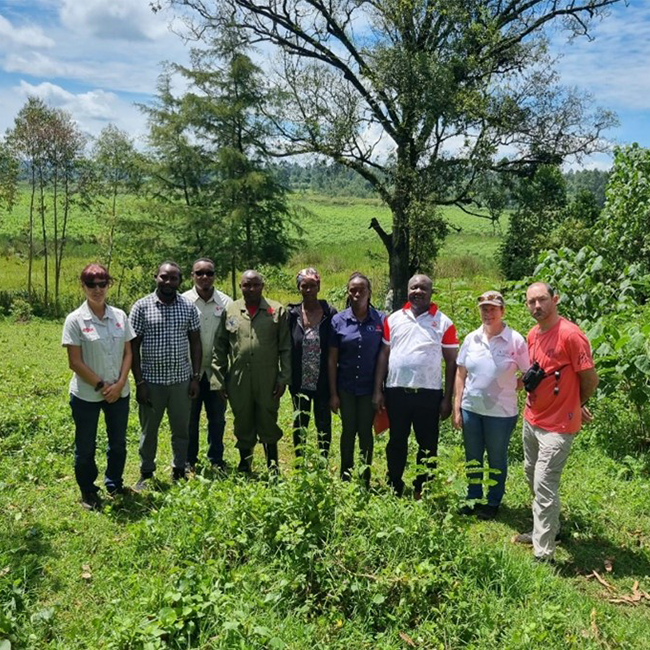
The hosting of the African Conservation Forum in Kenya at the end of June provided the ideal opportunity for the Endangered Wildlife Trust’ s CEO, Yolan Friedmann, and senior officials based outside the East African country to visit some of the projects being undertaken under the banner of the International Crane Foundation / EWT Partnership.

Yolan was accompanied by head of the EWT’ s African Crane Conservation Programme Kerryn Morrison and Head of Conservation for the EWT, Dr Ian Little, Charles Kayijamahe, Rwanda country manager and East Africa regional Director, Dr Adalbert Aine-omucunguzi.

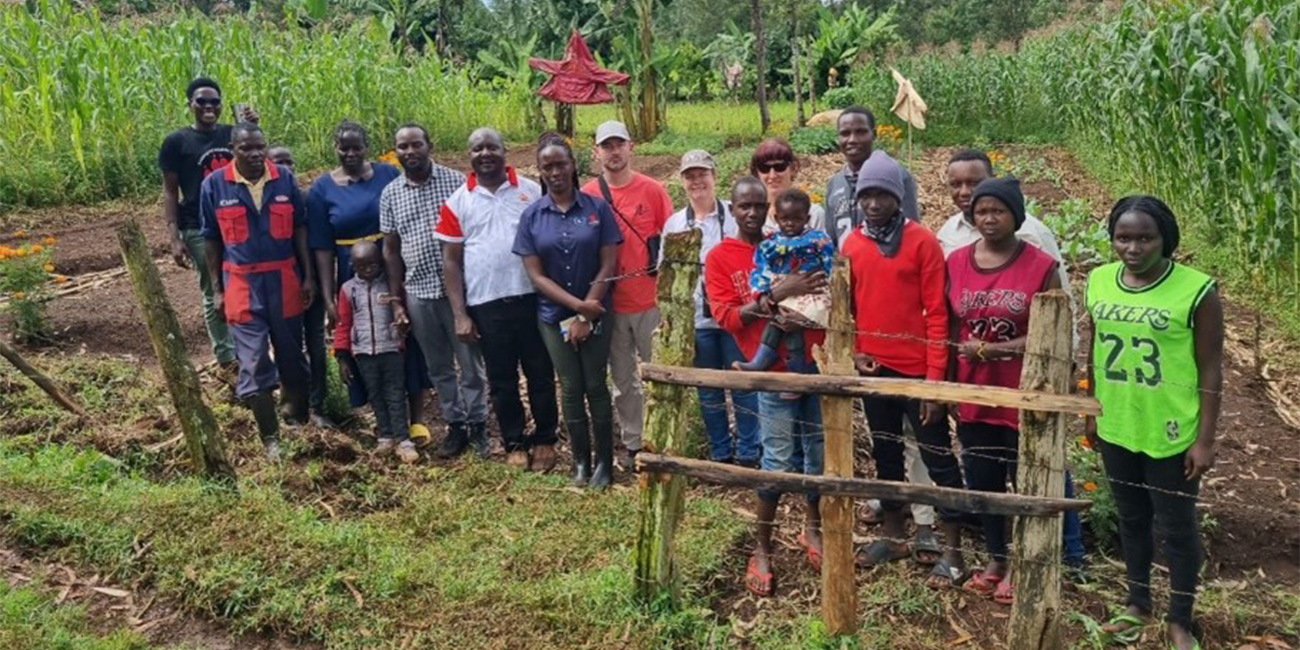
Despite the chilly Sunday morning, Yolan, Ian, Kerryn, Charles and Adalbert visited our intervention sites in Nandi County, Kenya. It was amazing to host them as they walked through the Enriched Buffer Zone, Climate Smart Agriculture and Spring Protection Sites.

They unknowingly interacted with 28 community members and 6 young kids who were excited to see them. We almost had a community Baraza quorum.

ICF/EWT is a movement that is well known in that area of Nandi,and visitors are greatly welcomed with a glass of ‘Mursik’ (fermented milk).

The team also visited Homa Bay on Lake Victoria and landscapes in and around the city of Kisumu.

It was impressive to see the work being done on the ground and to speak to the teams working in these areas. It is nice to see our strategies being implemented and coming into place. The scale of work does have a massive impact on communities who are benefiting in various ways. Recent reports show that farming productivity is now seven times more productive than mono-culture and farming within the wetlands. Because it is now easier for communities to farm, they are earning an income and are healthier because of improved nutrition.

One of our meetings with community members was at the Manor House Agricultural Centre which specialises in regenerative agriculture and they have offered free slots for community members to be trained. One of the members we visited graduated last year and is now training other farmers in his community.

On a conservation note: Kerryn managed to spot a pair of Banded Cranes booming in a flock in Baratton University. This is the first record we have in Nandi and possibly in Kenya.
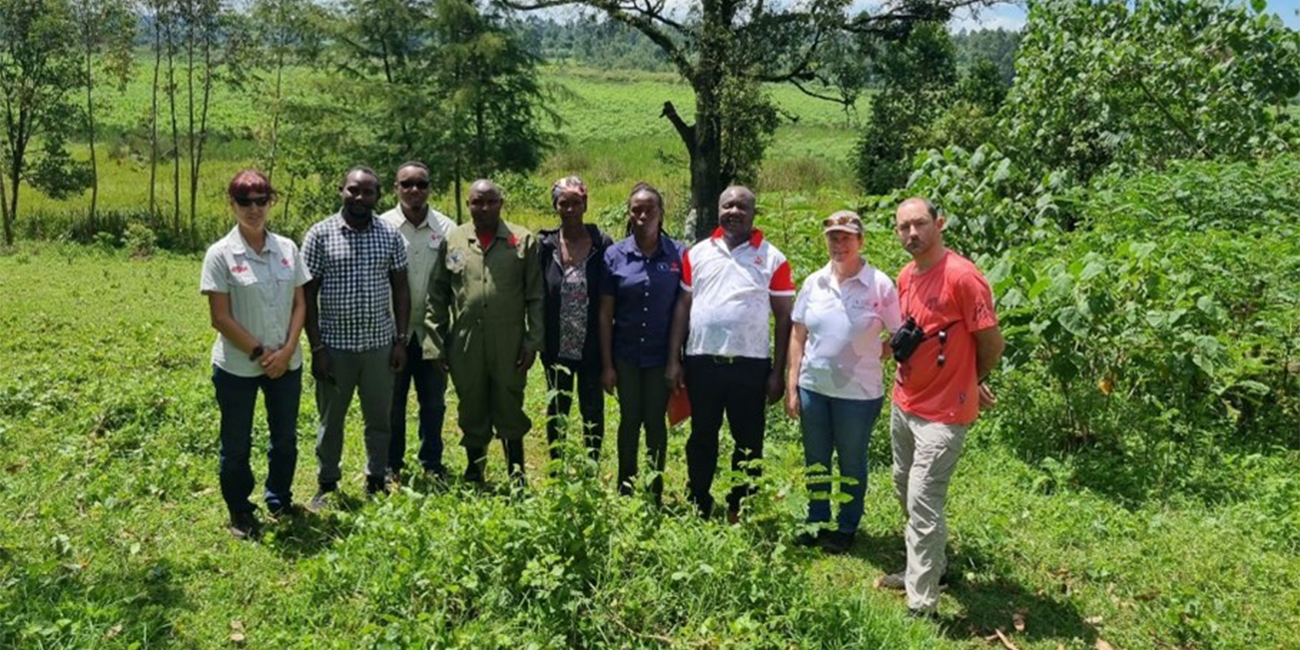


Following the African Conservation Forum, senior EWT and ACCP not based in Kenya were shown several projects by in-country managers and teams to highlight the work being done to enhance sustainable agriculture, conserve water resources and restore buffer zones and, ultimately, save threatened crane populations.
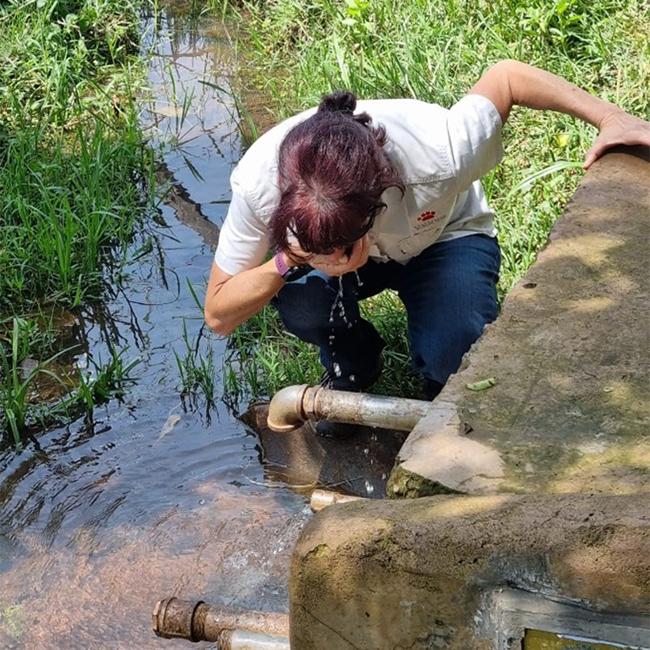
EWT CEO Yolan Friedmann quenches her thirst at a Spring Protection Site
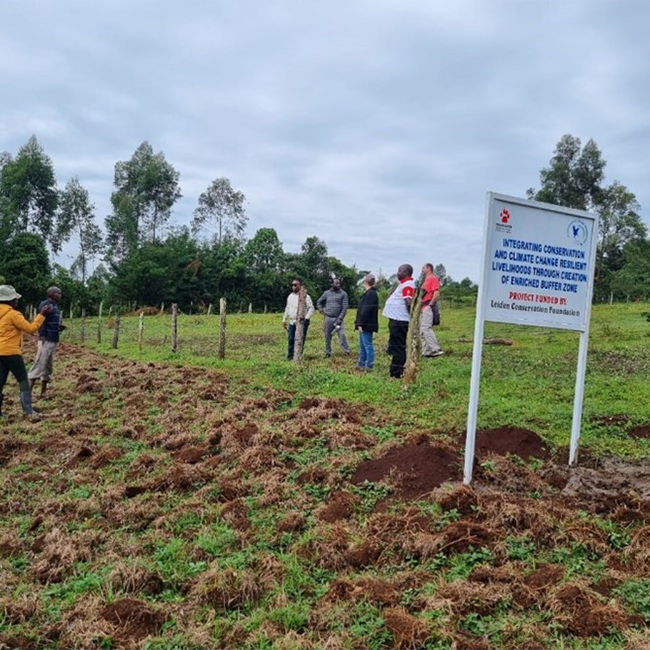
Buffer zone being created by the EWT/ICF
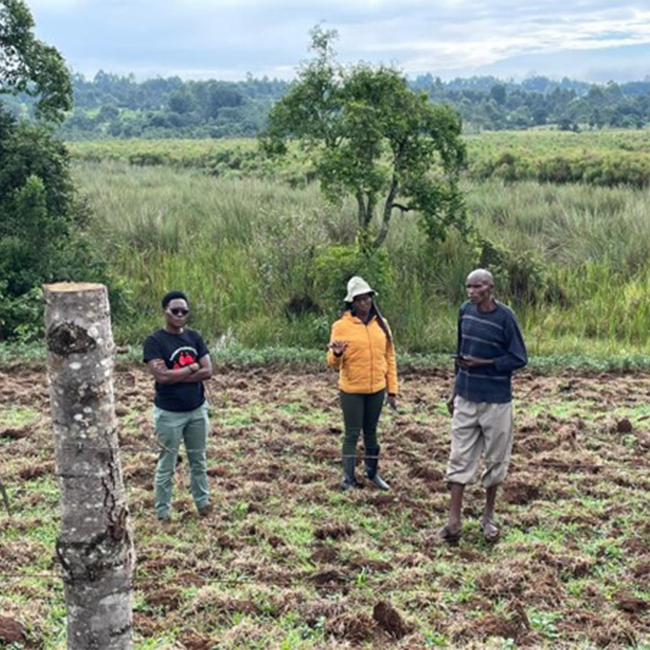
Fantastic work being done by the ICF-EWT team in Nandi county, western Kenya. Restoring wetlands for cranes and the environment
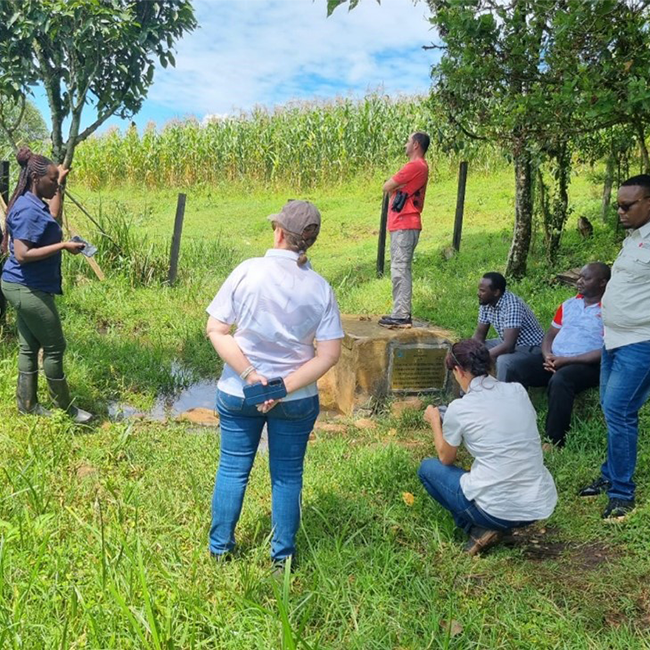
Visiting protected protected sites
African Conservation Forum emerges with united voice on conservation and biodiversity

African Conservation Forum emerges with united voice on conservation and biodiversity


African Conservation Forum emerges with united voice on conservation and biodiversity

By Eleanor Momberg


The African Conservation Forum (ACF), hosted by Kenya in June this year, was an important opportunity for the continent to develop a unified and collaborative position related to its conservation requirements ahead of the 2025 IUCN World Conservation Congress.

Endangered Wildlife Trust CEO Yolan Friedmann, Head of Conservation Ian Little, Head of the African Crane Conservation Programme Kerryn Morrison and the ICF/EWT Partnership’ s East African Regional Manager Adalbert Aineo-mucunguzi were among the NGO’ s representative at the International Union for Conservation of Nature (IUCN) Africa Conservation Forum.

Held in Nairobi, Kenya, under the theme “African Solutions for Nature and People: Creating transformative responses to the biodiversity and climate crisis in Africa,” the three-day forum was attended by governments, IUCN members, international and African NGO’ s, business representatives, Indigenous Peoples and scientific experts gather to discuss biodiversity, conservation and the sustainable development challenges faced by the continent.

This was the first time that the three IUCN sub-regions in Africa, had gathered under one roof to discuss the significant challenges facing the continent as a result of biodiversity loss and climate change.

Speaking after the Forum, the EWT’ s Dr Ian Little said within the ACF the role of governments and NGO’ s are equally important. Unlike some other international conventions and forums, the NGO sector is welcomed in ACF high-level forums and are able to make a constructive contribution.

Within Africa, he said, governments play a huge role in setting policies and laws, but it is often the NGO sector that implement the work on the ground. This is largely due to a shortage of dedicated conservation funding and capacity on a continent that is faced with numerous other social challenges.

The ACF’ s role in setting the global agenda for conservation has been elevated through the hosting of a united meeting for the African sub-regions. All countries that attended are members of the global IUCN, but, because Africa is usually poorly represented at many global meetings, the 2024 ACF had allowed Africa, as a continent, to consolidate its thinking and expectations ahead of such meetings.

Kerryn Morrison, who is also the International Crane Foundation’ s (ICF) Africa director, agreed, saying Africa emerged from the ACF with a coordinated voice.

“In so many global organisations the African voice is lost and we often only hear the North American and European voice. Having a stronger voice that represents Africa means that the continent will play a more solid role at the table,” she said. “This Forum provided a platform for Africa to come together, talk about issues and show more cohesiveness. This could assist the continent in accessing financing and the capacity needed for conservation.”


The sub-regions did, however, hold separate meetings during the ACF in order to compare regionally relevant notes and then produce a clear position of what the continent requires to achieve the goals of the Global Biodiversity Framework, especially Target 3, which requires the conservation of at least 30 percent of terrestrial, inland water and coastal marine areas by 2030.

“We were able, as a continent to determine how one should approach trying to achieve this ambitious goal, which has strategic thinking, funding and capacity requirements. It was about formulating positions and identifying synergy and resultant partnership opportunities,” said Little.

“With regard to greater collaboration to reach our conservation goals, Africa is in a position where a significant amount of the driving force in conservation is in the NGOs, whether national or international, so it is important to pull them together, with government support, to achieve what needs to be done,” he said.

In a post forum statement, the IUCN said the ACF had concluded with a call for inclusive, cross-sector action to preserve nature and biodiversity.

Delegates had agreed that cooperation across countries, governments, communities and sectors was vital to effectively address the significant challenges facing the continent due to the dual crisis of climate change and biodiversity loss.
Among the key outcomes was a new call for action in preparation for the next IUCN World Conservation Congress to be held in the United Arab Emirates in 2025. The IUCN Congress in turn sets the global conservation agenda for the years ahead.

IUCN Vice President and Regional Councillor Imèn Meliane said: “We’ ve run out of time: existing actions are inadequate and true transformation means moving from transformation rhetoric to integrated actions in the biodiversity-climate-energy nexus now.”

Dr Alfred Mutua, Kenya’ s Cabinet Secretary for Tourism and Wildlife committed to the hosting of all future African Conservation Forums in Kenya.