Start22 July 2026
First Cheetah Successfully Returned to Zambia’s Greater Luangwa Ecosystem
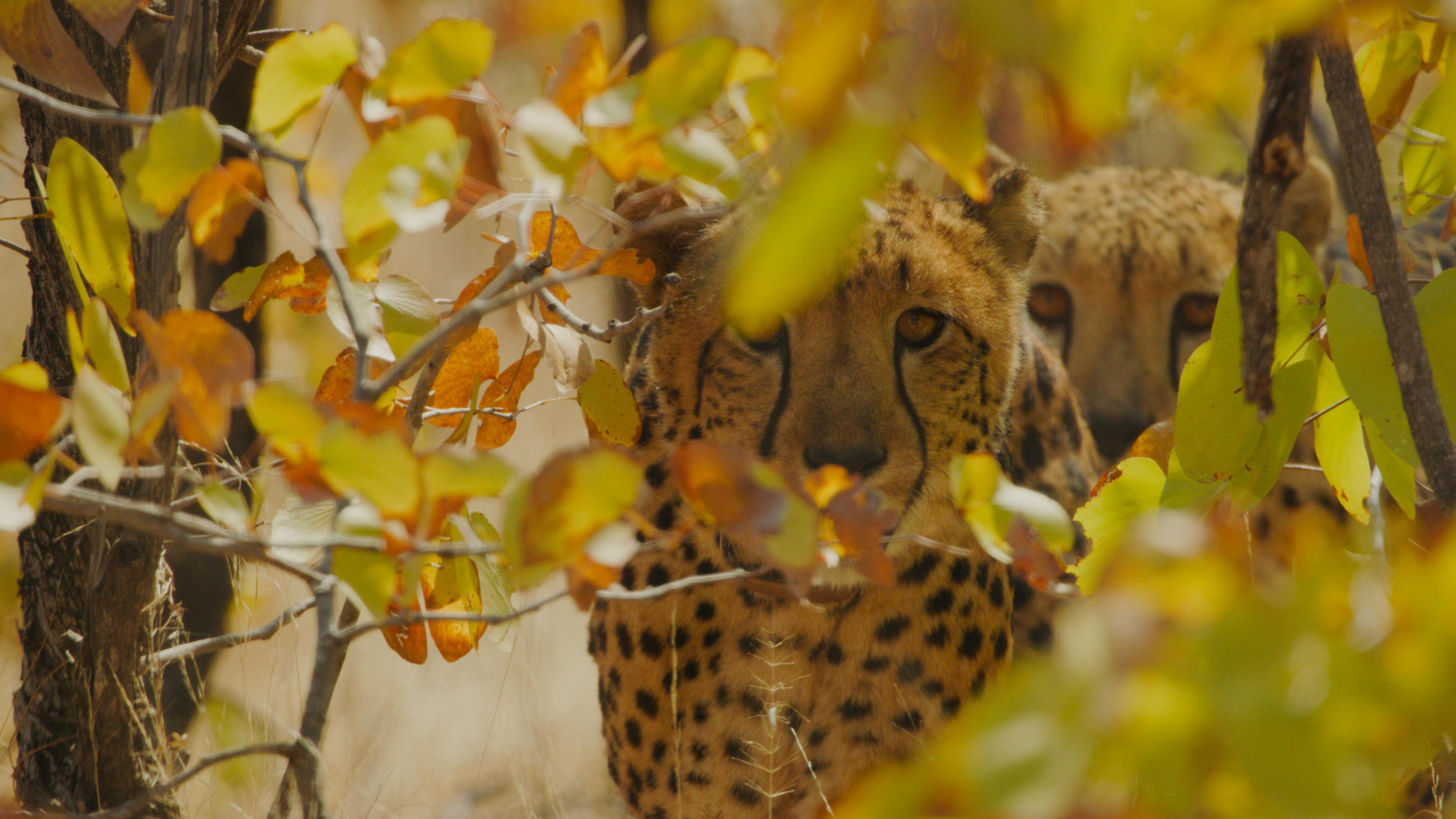
Six Cheetah have successfully been translocated from South Africa to Zambia in a significant effort to restore this threatened species to the Greater Luangwa Ecosystem.
This reintroduction, which sees the return of Cheetah to the Greater Luangwa Ecosystem in more than 30 years, marks the culmination of more than a decade of planning and international collaboration led by Zambia’s Department of National Parks and Wildlife (DNPW). The initiative has been supported by a coalition of conservation organisations, including the Endangered Wildlife Trust, African Range-Wide Cheetah Conservation Initiative/Zoological Society of London, North Luangwa Conservation Programme/Frankfurt Zoological Society, Zambian Carnivore Programme, Conservation South Luangwa, , with funding from the Howard G. Buffett Foundation.
Once widespread across much of Africa and southwestern Asia, the Cheetah (Acinonyx jubatus) has experienced a dramatic range contraction over the past century. Today, the species occupies only a fraction of its historical distribution, with most remaining populations found in eastern and southern Africa.
Global Cheetah numbers are estimated at approximately 6,500 mature individuals, with populations continuing to decline. The species is classified as Vulnerable on the IUCN Red List of Threatened Species due to its relatively small population size and ongoing pressures on habitat and prey availability. Over the past 15 years, numbers are estimated to have declined by around 37%, driven by habitat loss, human-wildlife conflict, illegal wildlife trade, and diminishing prey populations.
Southern Africa remains one of the Cheetah’s most important strongholds, with the species ranging from Angola and Mozambique to South Africa and Malawi. However, even within this region, populations face ongoing decline due to habitat fragmentation and expanding human land use.
In South Africa, most remaining wild Cheetahs occur within a network of fenced reserves that collectively operate under a metapopulation management approach. This system supports genetic and demographic stability across individual reserves. Since the establishment in 2012 of the Cheetah metapopulation by the Endangered Wildlife Trust (EWT) in collaboration with landowners and provincial and national government, it has become one of the few growing Cheetah populations with an average annual growth of 8.8%. This growth has enabled the population to contribute individuals to strategic reintroduction efforts, such as this project, supporting the expansion of the species’ range and overall numbers.
The six Cheetahs, comprising three males and three females, were carefully sourced, with consideration given to relatedness and demographics, by the EWT from private reserves in South Africa. Contributing reserves include Thanda Private Game Reserve, Manyoni Game Reserve, Nkomazi Game Reserve, and Dinokeng Game Reserve. The Cheetahs were initially relocated to the WildlifeVets.com holding facilities near Mbombela for quarantine before being flown to the release site in a remote southern sector of North Luangwa National Park, Zambia.
Following an initial acclimatisation period in bomas, the Cheetahs will be released using a two-stage approach. Some individuals will be introduced into a 2,000-hectare predator-proof sanctuary to encourage scent marking and settlement, while others will be released directly into the wider ecosystem. These individuals will later be joined by an additional six Cheetahs expected to arrive later this year.
All six Cheetahs have been fitted with satellite collars and will be monitored continuously by trained teams from the Zambian Carnivore Programme, alongside veterinarians and international specialists. Monitoring efforts will track movement patterns, behaviour, and ecological interactions on an ongoing basis.
The arrival of Cheetahs in Zambia represents an important step toward a long-term vision of restoring the species within the Greater Luangwa Ecosystem while delivering tangible benefits for communities living alongside wildlife between the North and South Luangwa National Parks. This restoration effort reflects a significant and sustained commitment to ecological recovery and community partnership, recognising that the long-term success of Cheetah conservation is closely tied to local livelihoods. As a large-scale and complex undertaking, it marks meaningful progress toward re-establishing a self-sustaining Cheetah population in southern Africa, where only a limited number of viable populations remain. By working across landscapes and institutions, the initiative supports the gradual return of Cheetah to more than seven million hectares of suitable protected habitat where they once occurred, contributing to the long-term security of one of Africa’s most threatened large carnivores.
Project Partners
Zambia Department of National Parks and Wildlife (DNPW); Endangered Wildlife Trust (EWT); African Range Wide Cheetah Conservation Initiative (CCI) / Zoological Society of London (ZSL); North Luangwa Conservation Programme (NLCP) / Frankfurt Zoological Society (FZS); Zambian Carnivore Programme (ZCP); Conservation South Luangwa (CSL); and funded by the Howard G. Buffett Foundation. The EWT is also supported by the Ford Wildlife Foundation.
END