Help protect Africa's 

The Perfect Patch: Decoding African Grass Owl Nest Selection

The Perfect Patch: Decoding African Grass Owl Nest Selection

Science Snippet:

The Perfect Patch: Decoding African Grass Owl Nest Selection

By: Erin Adams and Lizanne Roxburgh. EWT Conservation Planning and Science Unit
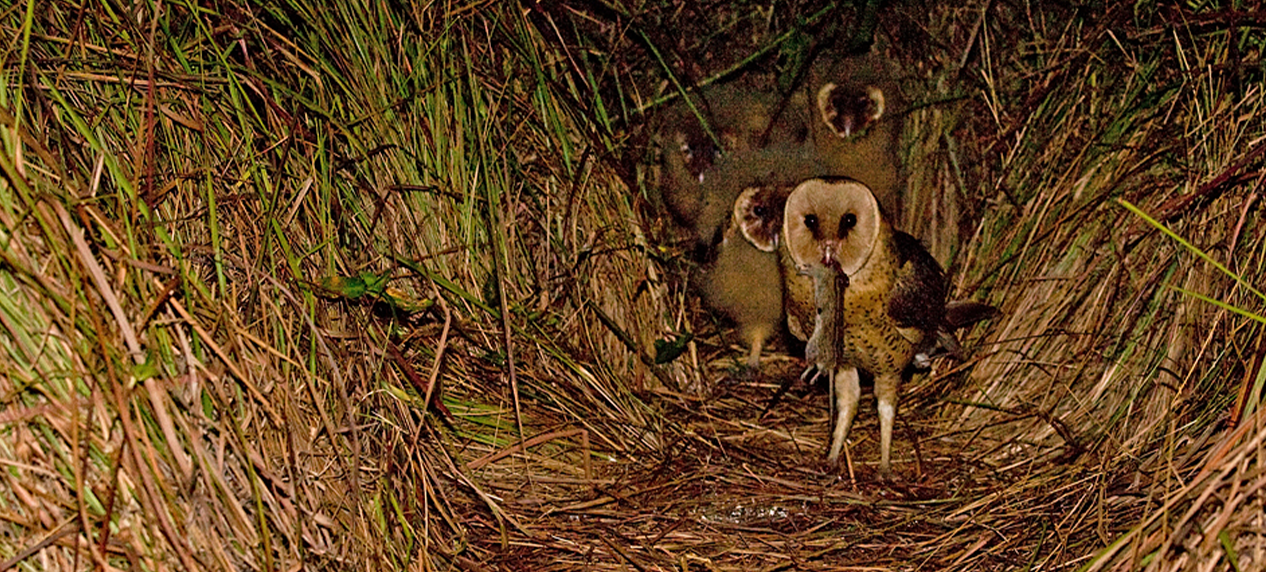
 

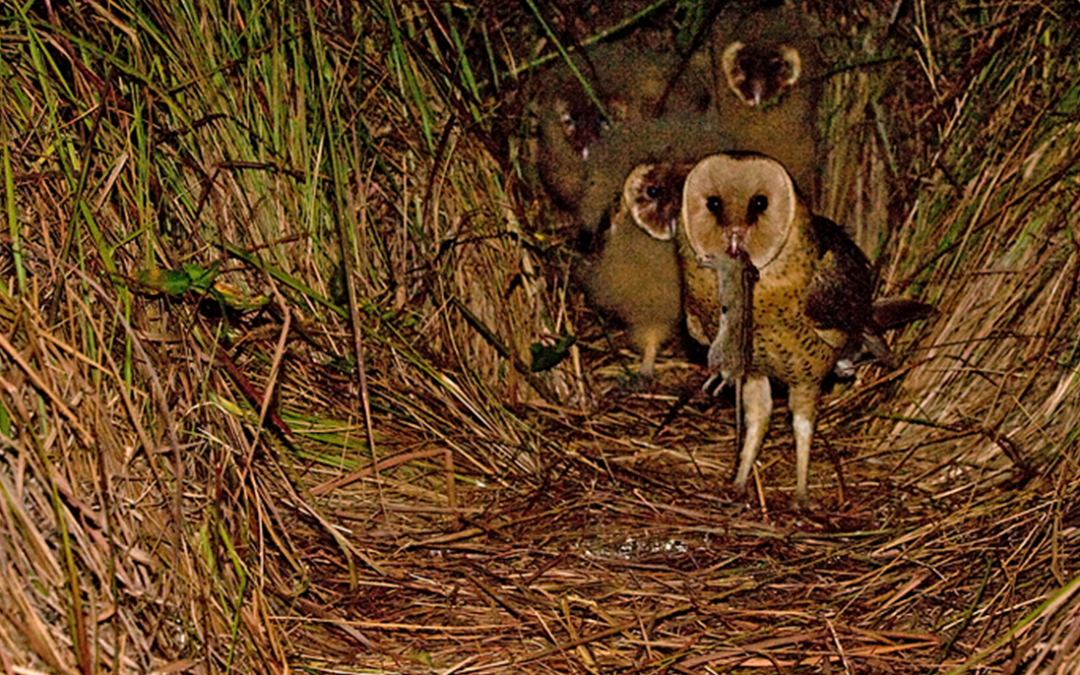
Dense Imperata cylindrica grass providing nesting habitat for an African Grass Owl

Habitat loss and degradation are among the greatest threats facing wildlife today. This is especially true for bird species that depend on specific environmental conditions for breeding.

Understanding where birds choose to breed and forage is therefore essential for effective conservation planning. When selecting a nesting site, birds consider factors at different scales. At the local scale, they may respond to conditions such as temperature, food availability, and protection from predators. At a broader landscape scale, factors such as vegetation type, habitat size, and the surrounding environment become important. For species that do not build their own nests, finding a suitable breeding site can be even more challenging.

The African Grass Owl is one of only two owl species in South Africa that lays its eggs on the ground, using nests concealed within dense grass or sedges. Despite this unique nesting behaviour, relatively little is known about how these owls choose their breeding sites. In a recent publication co-authored by EWT scientists*, researchers investigated which habitat features are most important in nest site selection by African Grass Owls.

African Grass Owls inhabit moist grasslands in South Africa. Because they do not construct their own nests and breed directly on the ground, suitable nesting habitat is critical to their survival. To better understand their nesting preferences, researchers tracked seven breeding females and monitored 41 nests in Gauteng and Mpumalanga between 2009 and 2017. By comparing nesting locations with the surrounding landscape, they were able to identify the characteristics that influence nest site selection.

The study revealed that African Grass Owls are extremely selective when choosing breeding sites. Within their entire home range, there may be only one location that meets all the requirements for successful nesting. Researchers also found that breeding pairs often return to previously used nest sites when suitable conditions remain unchanged.

One of the most important factors influencing nest selection was the presence of Imperata cylindrica, a grass species found at 88% of the monitored nests. The owls showed a strong preference for this grass over other available species and were observed leaving their territories if this particular species is not available. Imperata cylindrica is also highly susceptible to fire, which could further limit nesting.

The researchers also found that nests were most commonly oriented towards the east-southeast, with an average orientation of 102.16°. In addition, Grass Owls showed a strong preference for nesting near wetlands while avoiding developed areas. Avoiding developed areas may help reduce the risk of predation from domestic and feral cats and dogs, which pose a significant threat to ground-nesting birds. The owls also avoided cultivated fields, possibly because these areas support different prey species.

Agricultural fields are typically dominated by gerbils and other seed-eating rodents, whereas wetlands provide habitat for larger herbivorous rodents such as the vlei rat, one of the Grass Owl’s preferred prey species. Finally, the owls were found to avoid woodlands, mining areas, and urban environments. This behaviour may help reduce competition or conflict with other owl species, including the Barn Owl.

This study provides valuable insight into the breeding habitat requirements of the African Grass Owl, a species currently listed as Vulnerable on the IUCN Red List. The findings highlight the importance of conserving suitable nesting habitat if populations are to persist into the future.

Based on their results, the researchers recommend maintaining a mosaic of wetlands and moist grasslands that includes extensive stands of Imperata cylindrica. These areas should be protected through the use of firebreaks, while controlled burns should be conducted every three to six years to maintain suitable habitat. Ideally, a secondary patch of Imperata cylindrica should be managed alongside the main nesting area and burned on an alternating schedule to ensure that suitable nesting habitat is always available. The researchers also recommend limiting development within Grass Owl home ranges, excluding livestock from key breeding areas, and controlling invasive alien plants such as pom-pom weed. Together, these measures could help protect and restore the specialised habitats that African Grass Owls depend on for survival.

* Pretorius, M. D., Malan, G., Rachuene, T., Tate, G. J., Botha, A., Van Niekerk, A., Chetty, K. & Durgapersad, K. (2026). African Grass Owl nest site use and nest survival in fragmented grassland landscapes. African Journal of Wildlife Research, 56(1). https://doi.org/10.3957/056.056.0110
 

Birds in Decline: Comparing Road Surveys and Citizen Science Data in South Africa

Birds in Decline: Comparing Road Surveys and Citizen Science Data in South Africa

Birds in Decline: Comparing Road Surveys and Citizen Science Data in South Africa

By: Erin Adams and Lizanne Roxburgh, Conservation Planning and Science Unit


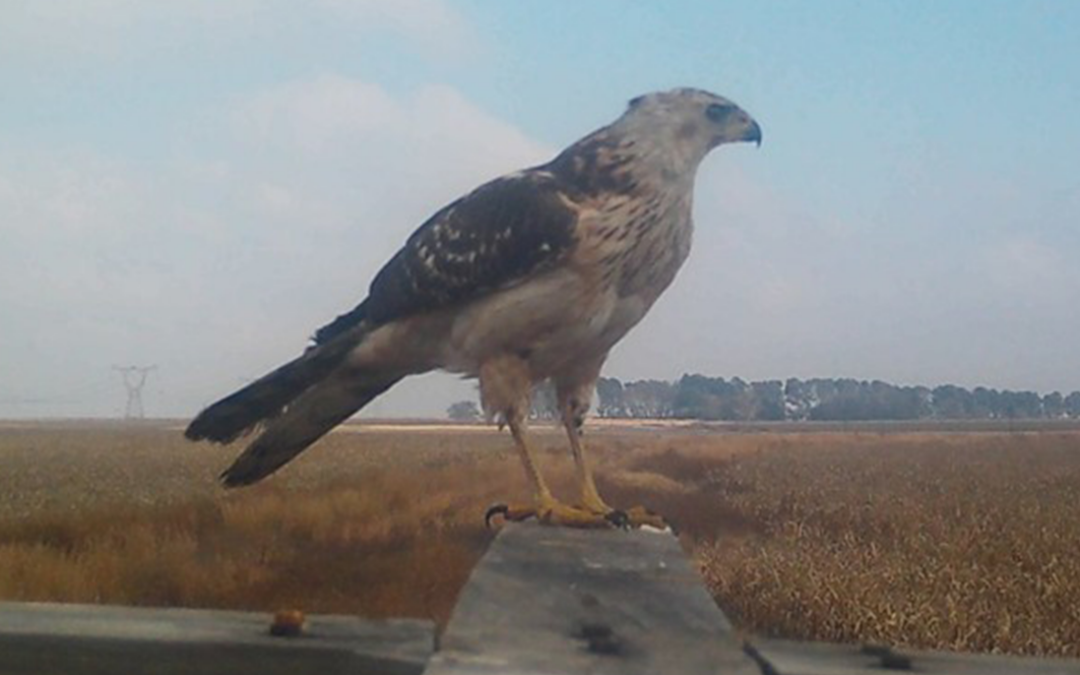
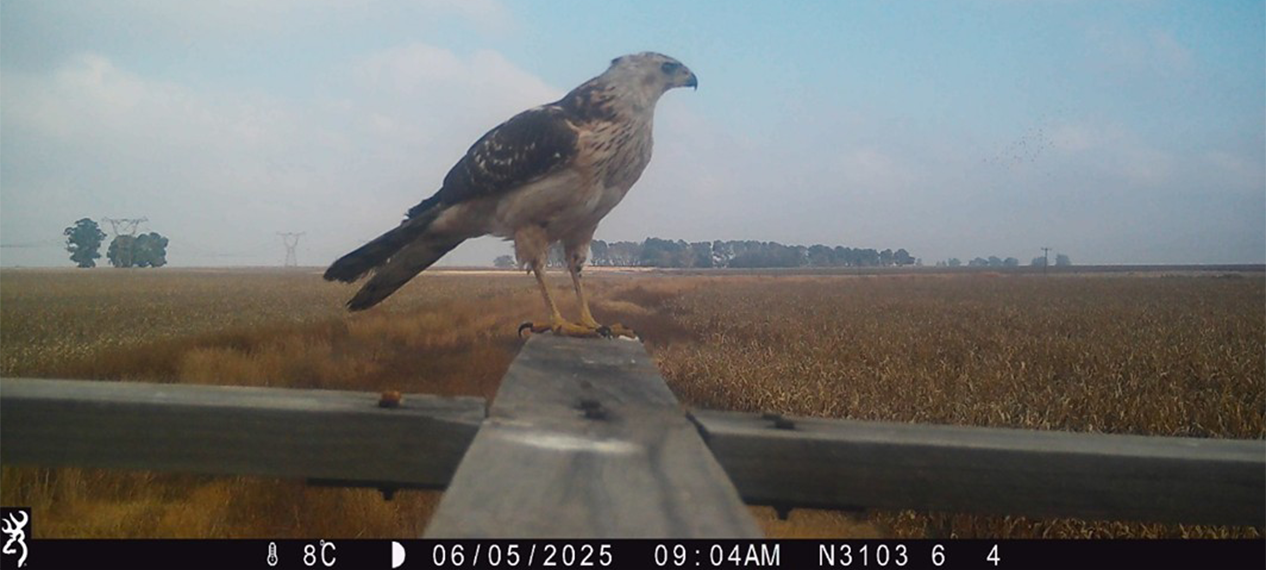
Researchers conducting roadside bird surveys to monitor raptor populations in South Africa.

Monitoring animal populations is a crucial part of conservation, but it can be very expensive and time-consuming. As a result, researchers are increasingly turning to citizen science platforms, which provide valuable data, especially in areas where information is limited.

While well-established citizen science programmes exist in the Global North, many biodiversity-rich regions in the Global South remain underrepresented. South Africa, for example, has some of the highest levels of bird species richness in the world, but it is also experiencing significant declines in bird populations.

To help address this gap, the Southern African Bird Atlas Project 2 (SABAP2) was launched in 2007 and has been running ever since. SABAP2 uses a checklist approach, where participants record whether species are present or absent during surveys. This makes it useful for tracking changes in where species occur. In addition, repeated surveys over time allow researchers to estimate changes in how often species are reported, which can provide insights into their abundance. However, checklist-based data may not always be reliable for measuring changes in population size across large areas or for multiple species. To investigate this further, a recent study co-authored by EWT scientists* tested how accurate this type of citizen science data really is.

The researchers examined population trends for 26 bird species in South Africa, including 18 raptors and eight large terrestrial bird species. They conducted road counts along 752 transects, covering nearly 400,000 km across different biomes (Nama-Karoo, Savanna, and Grassland) in central South Africa between 2009 and 2025. The average transect was 521 km long, with some as short as 80 km and others up to 2,300 km.

During these surveys, one of the researchers drove at 80 km/h on unpaved roads and 120 km/h on paved roads. All raptors and large terrestrial bird species seen (whether flying or perched) were counted along each transect. Birds were identified visually, or, when necessary, by stopping to use binoculars. A GPS device was used to record the exact location of each sighting, along with the number of individuals observed. The data collected from these road counts were then compared with SABAP2 data for 24 of the 26 species, focusing on the same area and time period.

The researchers found that the road count data showed that half of the species (13 out of 26) declined significantly over the study period, while only three species (12%) showed significant increases. The remaining ten species (38%) showed no clear trend.

In contrast, the SABAP2 data suggested a very different picture. Only 3 out of 24 species (13%) showed significant declines, while 11 species (46%) appeared to be increasing. The remaining ten species again showed no clear trend.

When the researchers compared whether trends were increasing or decreasing (regardless of whether they were statistically significant), they found that the two methods agreed only about half the time. In most cases where the results differed, road counts showed declines, while SABAP2 suggested increases.

These findings indicate that many raptors and large terrestrial bird species in South Africa have been declining at worrying rates over the past 16 years, with only a few species showing increases. The exact causes of these declines are not fully understood, but elsewhere in Africa they have been linked to pressures associated with growing human populations, such as expanding agriculture and poaching.

Importantly, this study shows that a checklist-based citizen science programme like SABAP2 may fail to detect population declines in around half of cases. Despite this limitation, SABAP2 and similar atlas projects across Africa remain some of the best tools currently available for monitoring biodiversity.

With some improvements in how the data are collected or analysed, these programmes could become even more accurate and valuable for conservation.

* Zuluaga, S., Murgatroyd, M., Visagie, R., Tate, G., & Amar, A. (2026). Road counts expose widespread declines in South African raptors underestimated by atlas data. Biological Conservation, 111764. https://doi.org/10.1016/j.biocon.2026.111764

Signals from the Skies: What Injured Raptors Tell Us About Our Changing World

Signals from the Skies: What Injured Raptors Tell Us About Our Changing World

Science snippet

Signals from the Skies: What Injured Raptors Tell Us About Our Changing World

By Erin Adams and Lizanne Roxburgh, conservation planning science unit


raptor conservation threats urban expansion

As cities and infrastructure continue to expand, wildlife is increasingly affected by human activities. These impacts can be direct, such as deliberate persecution, or indirect, through the growth of energy networks and transport systems that leads to accidental mortalities on infrastructure. Understanding how and why animals are injured or killed is an essential step in improving conservation efforts.

One group particularly affected by human expansion is raptors. Raptors consist of birds of prey such as hawks, eagles, kites, harriers, vultures, falcons, and owls. Raptors play an important role in ecosystems because their presence reflects environmental health, and many species also provide valuable services, such as removing carcasses through scavenging. In a recent publication co-authored by EWT scientists*, researchers examined data from wildlife rehabilitation centres around the world to better understand the most common causes of raptor injury and death.

The researchers analysed just under 150,000 wildlife rehabilitation admissions recorded globally between 1989 and 2023. These records included 148 raptor species from multiple continents. For each admission, information was collected on the rehabilitation centre, species, age of the animal (adult, non-adult, or unknown), country and continent, and the year of admission.

Each admission was also classified by injury type (human-related, natural, or unknown) and by the specific cause of injury, where possible. Human-related causes included factors such as habitat destruction, poisoning, vehicle collisions, or contact with infrastructure. Natural causes included events like severe weather, disease, or falls from nests. The final outcome, or fate, of each bird was also recorded, including whether it was released back into the wild, died or was euthanised, remained in permanent care, or had an unknown outcome.

The scientists found that owls made up the largest proportion of admissions, accounting for just over 34% of all records, followed by falcons (24%) and Buteo hawks (22%). This pattern may reflect the ability of these groups to live in or near urban environments.

Overall, 41% of admissions were listed as having an unknown cause, while 39% were linked to human activities and 20% to natural causes. Among the human-related cases, the most frequent causes were unspecified trauma, vehicle collisions, and injuries related to electrical infrastructure or gas flaring.

In terms of outcomes, approximately 57% of admitted raptors died or were euthanised. Around 44% were successfully rehabilitated and released back into the wild, while just under 2% remained in permanent care.

This study highlights how vulnerable raptors are to the pressures associated with urban expansion. The high proportion of cases that do not result in release underscores the seriousness of these threats. As human development continues to grow, it is increasingly important to implement effective conservation strategies that reduce risks to raptors and promote safer shared landscapes for both people and wildlife.

* Panter, C. T., Bullock, H. E., Brown, M., Mori, D., & Thompson, L. J. (2026). Taking the pulse of the world’s raptors—A systematic quantitative review of wildlife rehabilitation centre admissions. Biological Conservation, 316, 111746. https://doi.org/10.1016/j.biocon.2026.111746


Camera Traps Reveal a Hidden Predator in Zinave

Camera Traps Reveal a Hidden Predator in Zinave

Science Snippets:

Camera Traps Reveal a Hidden Predator in Zinave

By: Erin Adams and Lizanne Roxburgh


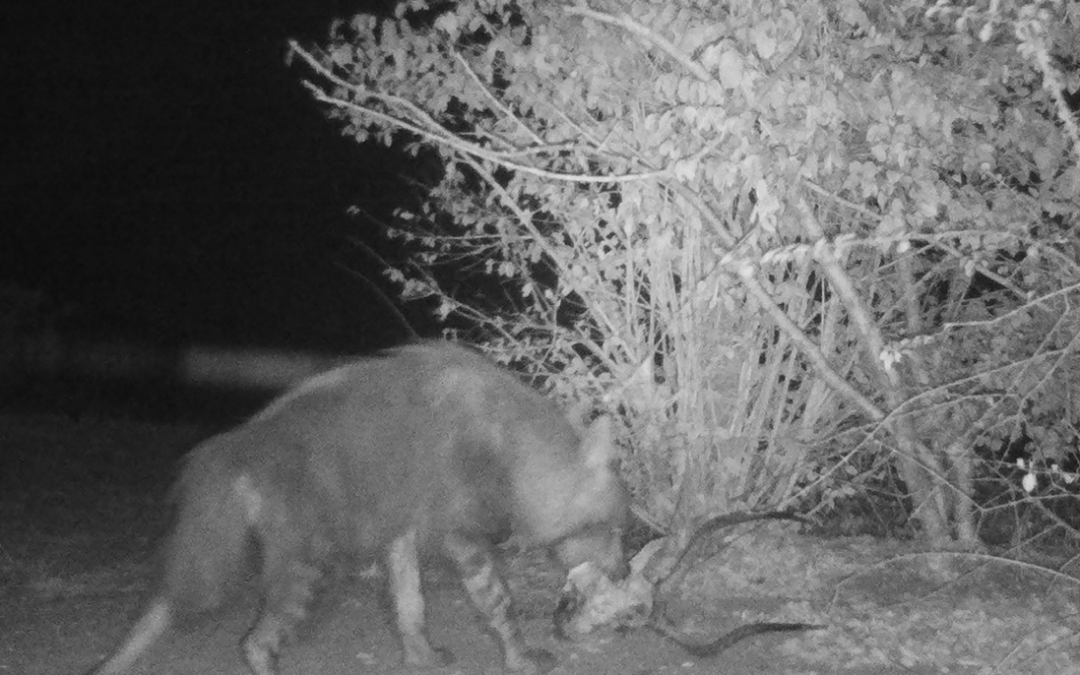
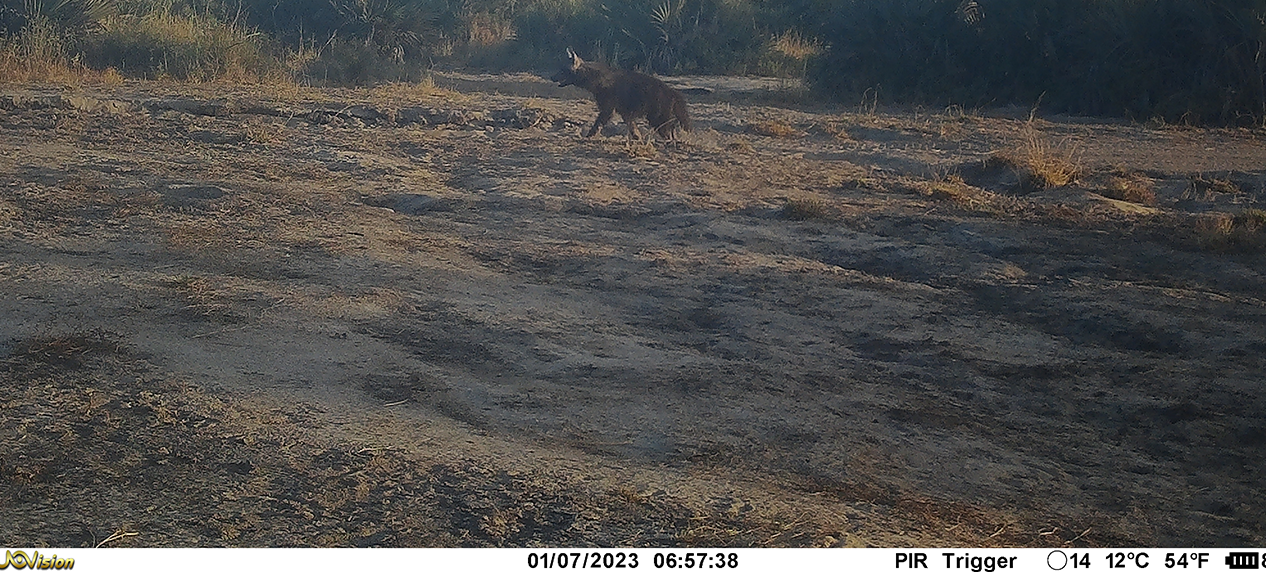
brown hyaena camera trap image Mozambique

Large carnivores have disappeared from much of their natural range around the world, and Mozambique has been no exception. Decades of civil conflict, drought, and limited management capacity led to the loss of many large mammals in several of the country’ s national parks and wildlife areas. Zinave National Park is one such place, now undergoing an encouraging recovery thanks to strengthened management and dedicated restoration efforts.

Since 2015, more than 2,000 herbivores have been reintroduced to the park. Predator reintroductions followed: four Spotted Hyaenas were released in 2020, and two Leopards in 2021. In late 2021, a Lion was spotted that had not been reintroduced, signalling that carnivores might be returning naturally. By 2023, three more Lions and an additional Leopard were recorded in the park. As of 2025, an estimated seven Lions reside in Zinave.

Up until 2023, however, park staff and researchers did not know which other species might have dispersed into the area on their own. To answer this question, they established a long-term, permanent grid of camera traps across the park. Additional cameras were placed on carcasses to detect scavenging species. After a year, the findings were published in a study co‑authored by EWT scientists.*

When the images were analysed, the team documented 37 different species, including 11 scavenging mammals and five scavenging bird species. Among these observations was a particularly surprising discovery: a Brown Hyaena. This marks the first recorded sighting of a Brown Hyaena in Zinave National Park, an area previously thought to lie outside the species’ natural distribution range. Brown Hyaenas are classified as Near Threatened on the IUCN Red List, with a global population estimated at fewer than 10,000 individuals. Their population size in Mozambique remains unknown.

Studies like this are vital for understanding how biodiversity shifts over time and for monitoring recovery or decline in populations. Permanent camera trap grids make it possible to detect elusive and rarely seen species, track changes in species’ ranges, and generate reliable, long-term data. This information helps park management make informed decisions and supports the development of effective conservation strategies.

brown hyaena camera trap image Mozambique

*Abrao, O. J., Sievert, O., Roodbol, M., Roxburgh, L., Van Lent, B., Abacar, A., da Conceição, A. G., Chinder, G., Nganhane, I. D. N., & Nicholson, S. K. (2025). A Novel Record of Brown Hyaena (Parahyaena brunnea) in Zinave National Park, Mozambique. Ecology and Evolution, 15(11), e72473. https://doi.org/10.1002/ece3.72473

The Kudu Connection: Surprising Diet Choices of Liwonde’ s Carnivores

The Kudu Connection: Surprising Diet Choices of Liwonde’ s Carnivores

Science Snippet

The Kudu Connection: Surprising Diet Choices of Liwonde’ s Carnivores

By Erin Adams & Lizanne Roxburgh


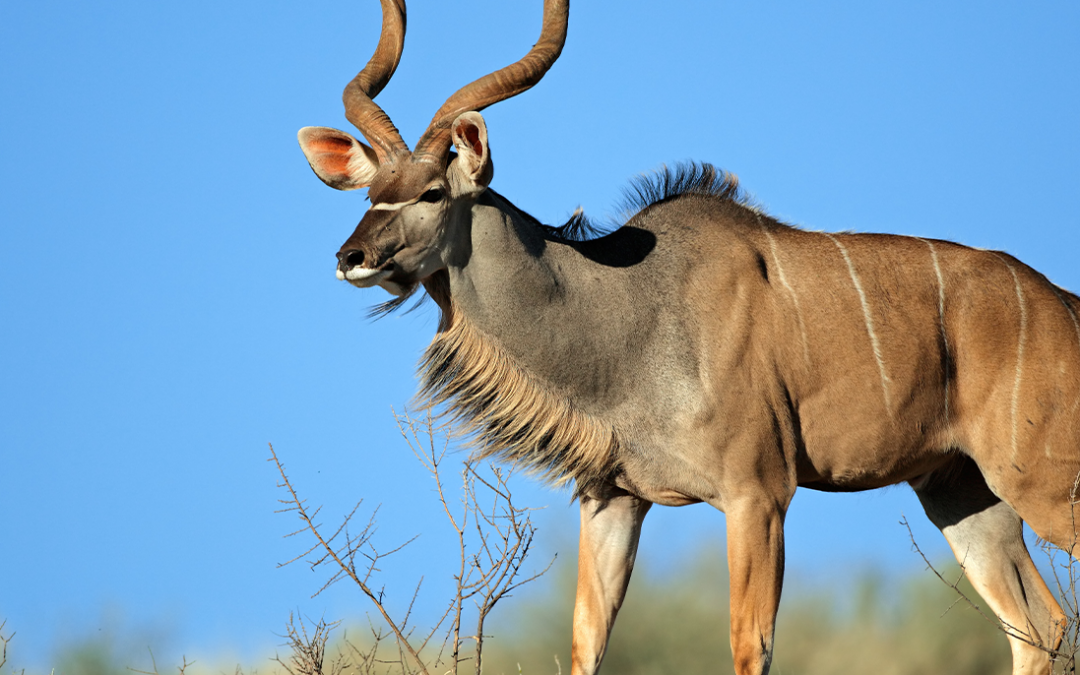
Kudu antelope in Liwonde landscape

Large carnivores are usually able to co‑exist in a landscape by eating different prey species, being active at different times of the day, and inhabiting different habitats. Among these factors, diet is often the main indicator of which carnivore species is present in a particular landscape, as many carnivores have evolved to make the most of their preferred prey. Studying what different carnivores consume therefore provides valuable insight into how best to manage them within a shared environment. In a recent publication co‑authored by EWT scientists*, the diets of lions, spotted hyaenas, and cheetahs were examined in Liwonde National Park, Malawi, to understand how these species overlap in their prey preferences.

The researchers collected scat samples from each predator species and opportunistically photographed direct feeding events whenever they were encountered. The scat samples were processed, and ten hairs from each sample were examined to determine which prey species they belonged to.

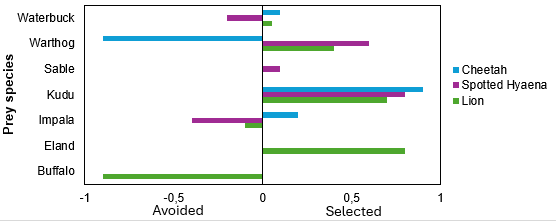
The scientists found a high degree of overlap in the prey species consumed by the three carnivores. Lions and cheetahs were each observed feeding on seven prey species, while spotted hyaenas fed on nine. Although all three species showed a preference for kudu (Tragelaphus strepsiceros) and waterbuck (Kobus ellipsiprymnus), there were notable differences: cheetahs preferred impala (Aepyceros melampus) and waterbuck and avoided warthog (Phacochoerus africanus); lions preferred eland (Taurotragus oryx) and warthog and avoided buffalo (Syncerus caffer); and spotted hyaenas preferred warthog and avoided impala.

Fig. 1: Prey species avoided and selected for by lions, spotted hyaenas and cheetah in Liwonde National Park (figure adapted from the original publication).[

One of the standout findings was that all carnivores strongly preferred kudu, even though kudu were not very abundant in the landscape, indicating a clear selective preference.

Waterbuck were also frequently consumed by lions and cheetah, likely because they were highly abundant during the study period and easier to hunt due to their tendency to travel in small groups. These results highlight the importance of studying both predators and prey when assessing the health and functioning of an ecosystem. Understanding carnivore diet preferences, especially when they target less abundant species, helps conservationists make informed decisions about wildlife management, prey population monitoring, and maintaining balanced predator–prey dynamics within protected areas.

*Kayuni, B., Sievert, O., Davis, R. S., & Mzumara, T. I. (2025). Dietary Composition and Overlap Among Large Carnivores in Liwonde National Park, Malawi. African Journal of Ecology, 63(4), e70061.

Searching ships for contraband

Searching ships for contraband

News from the field:

Searching ships for contraband

By Cliantha Kay, K9 Unit dog handler


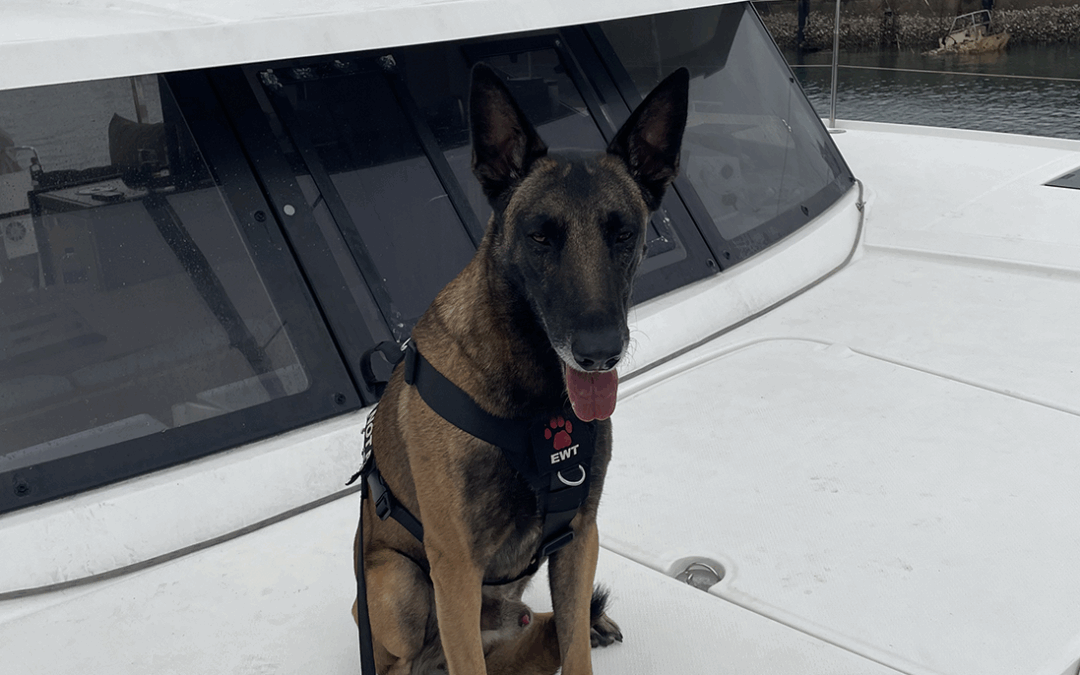
Mufassa the EWT K9 on ship inspection


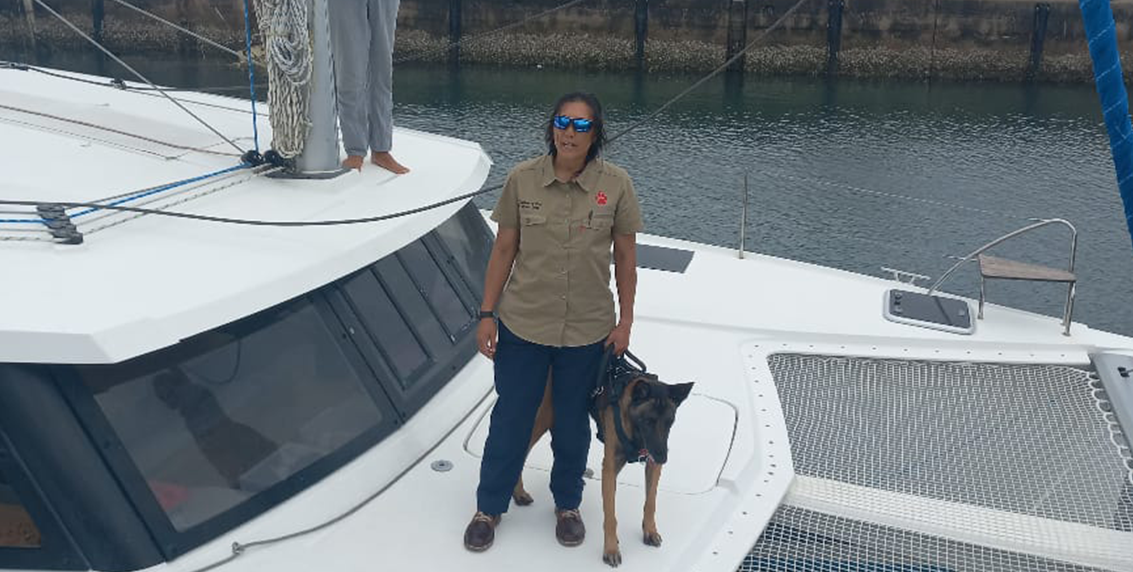
I do not like heights, my knees get weak and wobbly when I approach a high structure.  But, my K9 companion, Mufassa, keeps me in check.   With my focus firmly on Mufassa we recently walked up the gangway to board a massive coal ship docked at South Africa’ s largest coal terminal.  

Mufassa had never been on a gangway, let alone a ship, and here he was taking it all in his stride, oozing the confidence needed for this job. He has set the bar high for his fellow EWT canines given that he is the first of our esteemed team to board a ship, or work as a detector of wildlife contraband in a harbour.

The EWT was on a joint operation with the Border Management Authority (BMA), South African Police Services (SAPS) and the Department of Forestry, Fisheries and the Environment (DFFE) to support an operation to search coal ships and private yachts in Richards Bay harbour.

True to his nature, Mufassa took the lead in boarding the ships we searched, with the SAPS dog following suite. They scanned the bridge and cabin crew’ s quarters for any endangered wildlife and related products, totaling over thirty rooms and four private yachts. I don’ t think the yachtsmen, all international visitors to South African waters who have been sailing around the world, were expecting to see detection dogs boarding their vessels. Despite the limited space on the yachts and in the confines of the ships, the numerous and narrow stairways, and the amount of people around them, the canines were in their element doing what they do best — sniffing out stuff.