Good Dog. Serious Job.
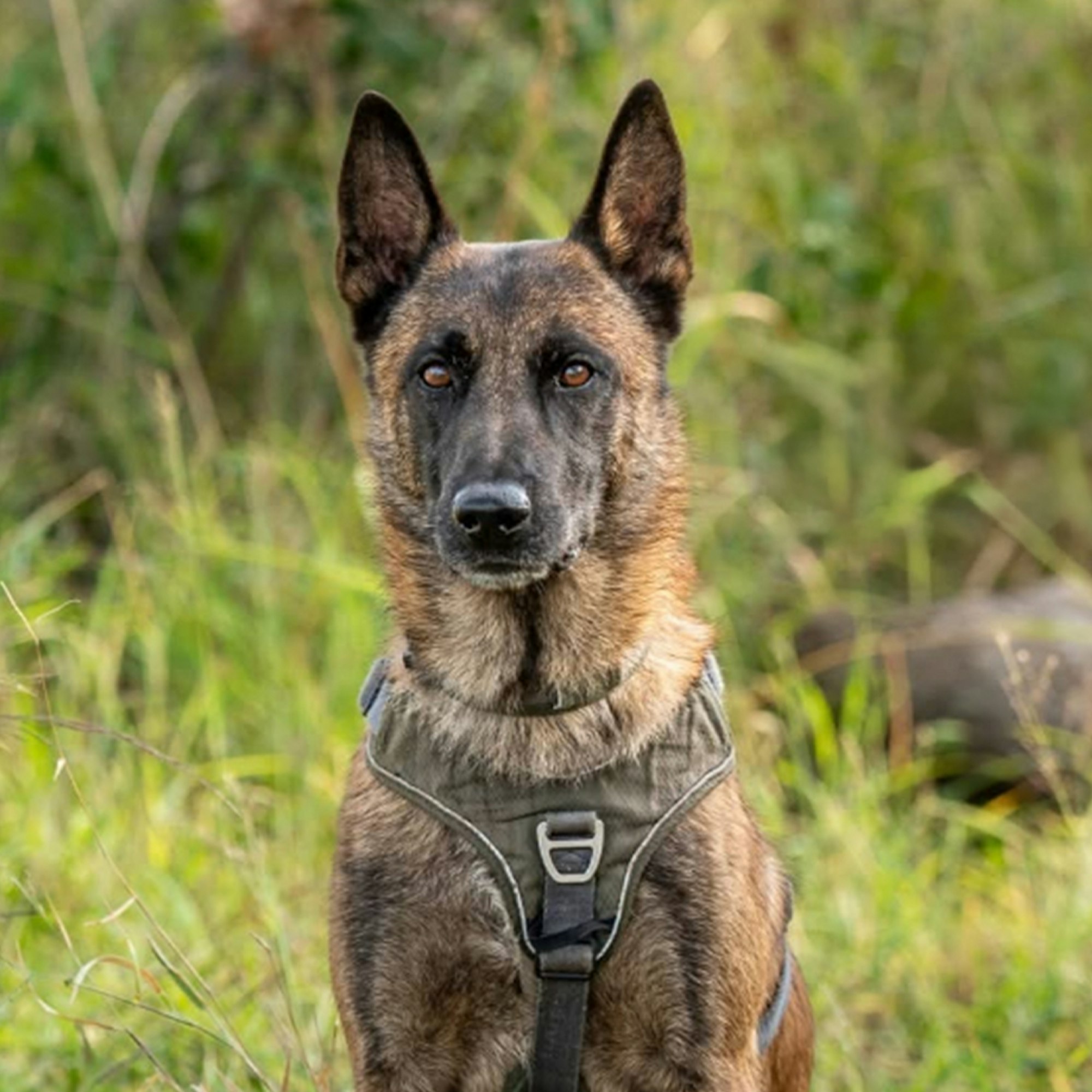
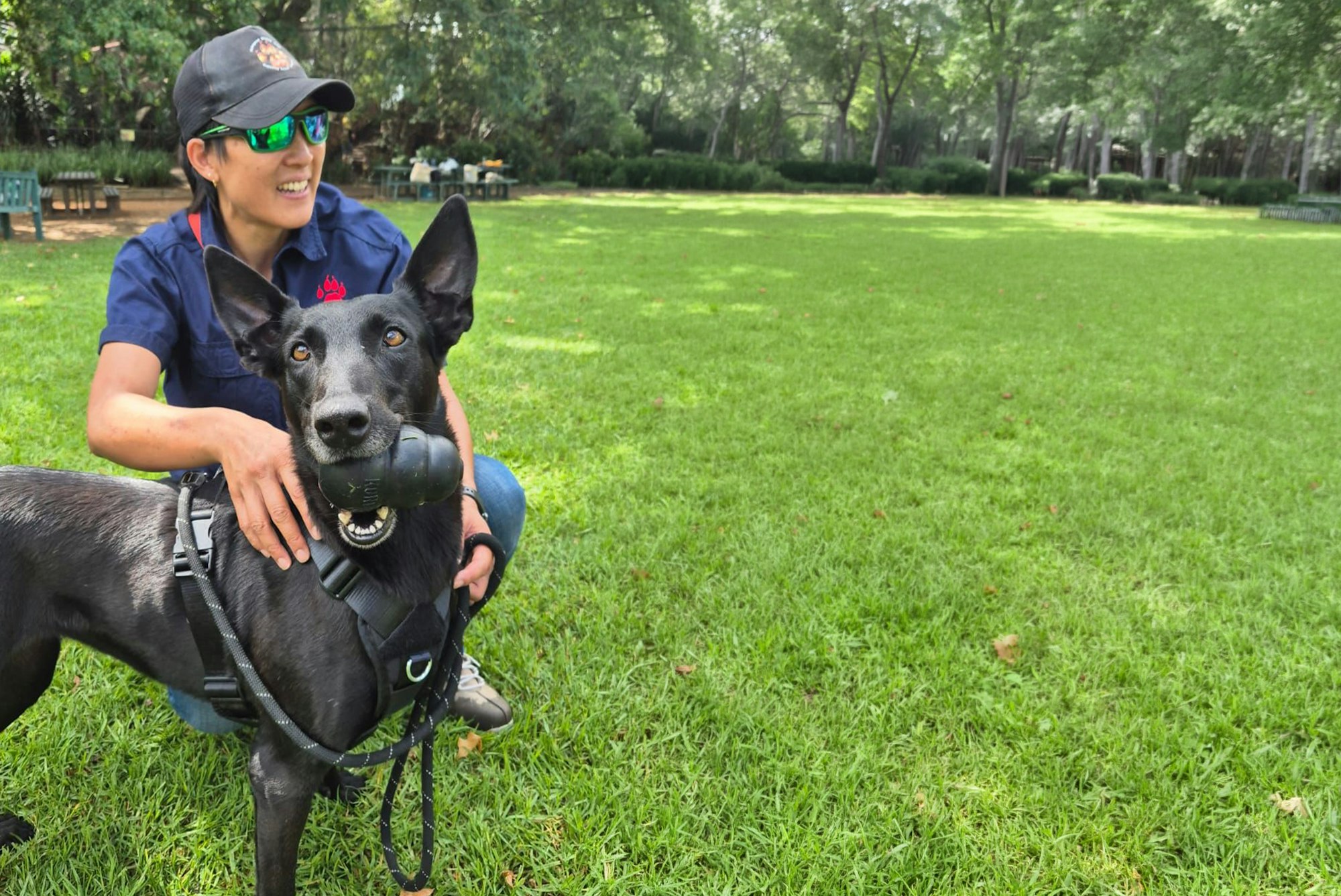
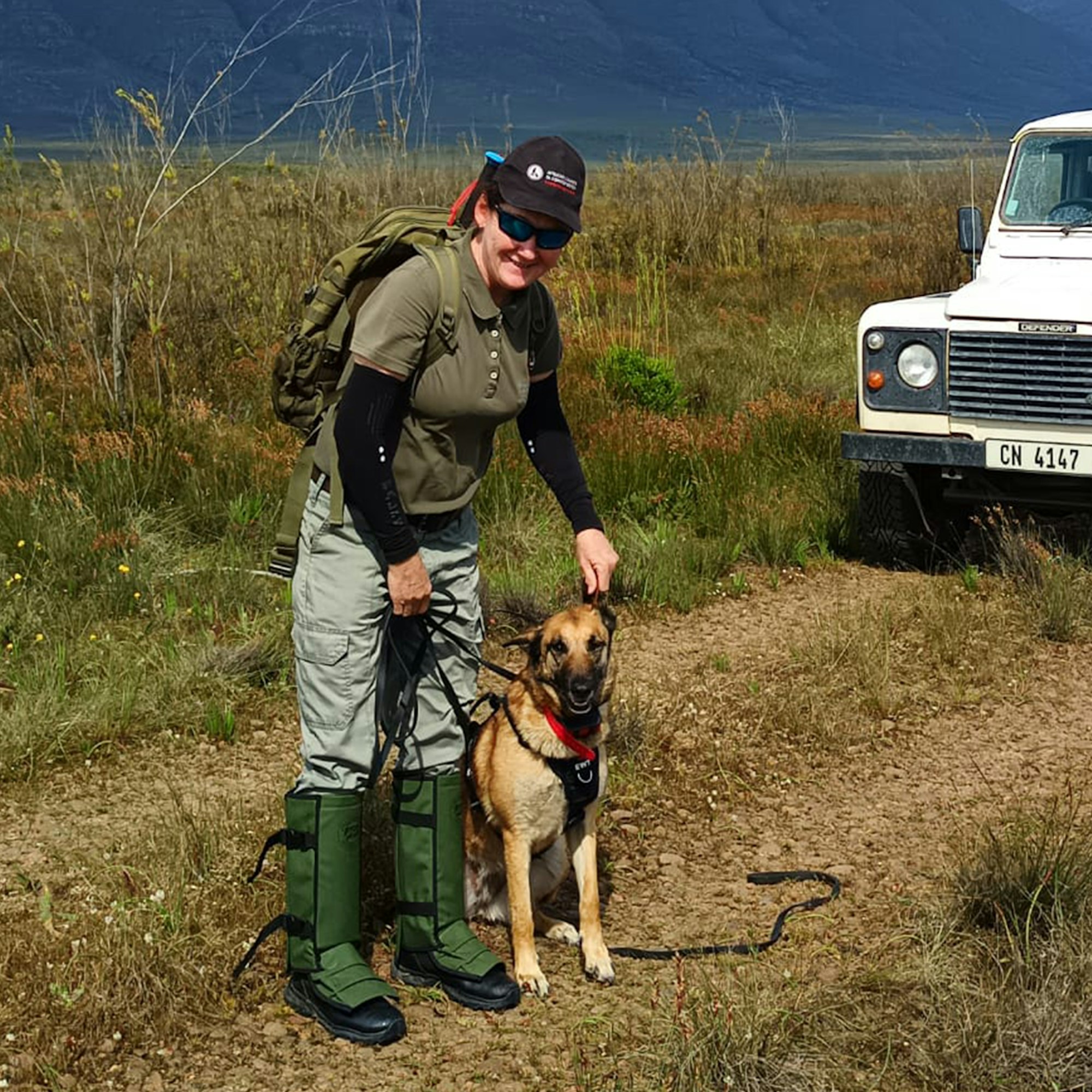
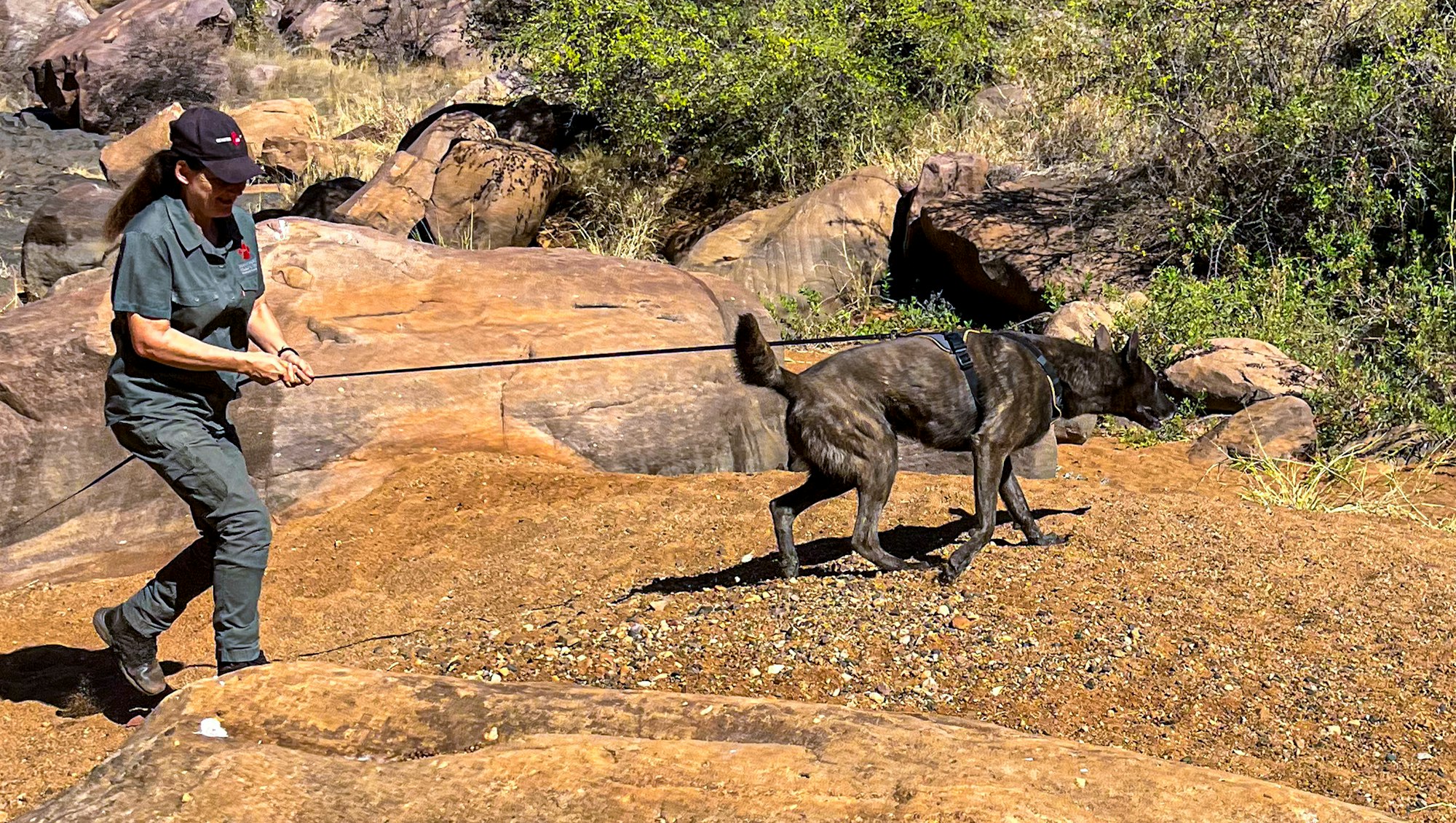
Across southern Africa, the Endangered Wildlife Trust’s Conservation Canine Unit helps protect threatened and endangered species through highly specialised detection, tracking, and research support.
Our dogs are not mascots. They are trained conservation professionals, working alongside expert handlers to reduce poaching, disrupt illegal wildlife trade, and help scientists find what human eyes often cannot.
What makes these jobs so serious?
The Endangered Wildlife Trust’s working dogs support some of conservation’s most specialised and practical fieldwork.
They help detect illegal wildlife products, track threats, identify snares, and support scientists searching for rare and overlooked species. Their speed, precision, and scenting ability help make conservation work smarter, faster, and more effective in the field.
Not every conservation specialist walks on two legs.
Different jobs. One mission.
Each dog has a specific role to play in helping protect wildlife. Fast. Practical. Highly effective.
- Detection: illegal wildlife products, trafficking routes and human movement
- Tracking: snare identification, poacher tracking and rare species locations
- Research: hard-to-find species, habitat protection and conservation studies
Meet the dogs protecting wildlife
Each dog in the Endangered Wildlife Trust’s Canine Conservation Unit brings a specific strength to the job.
Together, they help protect heavily trafficked species such as rhino, lion, and pangolin, while also supporting research on rare and overlooked species critical to ecosystem health.
Juice
Belgian Malinois | Detection specialist
Juice works alongside his handler to detect illegal wildlife products, including rhino horn, helping deter poaching and protect threatened species.
In conservation, time, accuracy, and practicality matter. A trained dog can detect what the human eye cannot easily see and help teams work more efficiently in real-world environments. Whether supporting field operations, tracking threats, or helping locate species that are difficult to find, dogs are a fast, practical, and highly effective conservation tool.
What your donation helps fund
Working dogs deliver an outsized impact on nature conservation, yet they are seldom recognised and supported.
Your donation helps keep highly trained conservation dogs operational in the field, sustain anti-poaching, detection, tracking, and research capacity, protect the health and welfare of working dogs, and strengthen frontline conservation response where it is needed most.
Every dog has a job. Every job matters.
From detection and tracking to research support, the Endangered Wildlife Trust’s working dogs play a serious role in conservation.
Their work helps protect species. Your support keeps them working.