BIRDS OF PREY
CONSERVATION
We protect vultures, eagles, owls, and other birds of prey through science, rapid response, and practical conservation, helping keep Africa’s ecosystems healthy and resilient
BIRDS OF PREY
WHY BIRDS
OF PREY MATTER
Birds of prey are among Africa’s
most important wildlife
Vultures act as nature’s clean-up crew, rapidly removing carcasses and helping prevent the spread of disease across landscapes. Eagles, owls, hawks, and other raptors help regulate rodent and pest populations, providing valuable ecological services that benefit both ecosystems and agriculture.
Raptors are also indicators of ecosystem health. When their numbers decline, it is often a warning sign that something is wrong in the environment, whether through poisoning, habitat degradation, or other human pressures. Protecting birds of prey helps safeguard the broader ecosystems that support both wildlife and people.
Because many raptors occur naturally at low densities and reproduce slowly, populations can take decades to recover from even small losses. Conservation action is therefore critical to securing their future.
BIRDS OF PREY
THE BIRDS OF
PREY WE PROTECT
We focus our conservation efforts
on some of Africa’s most
threatened raptors
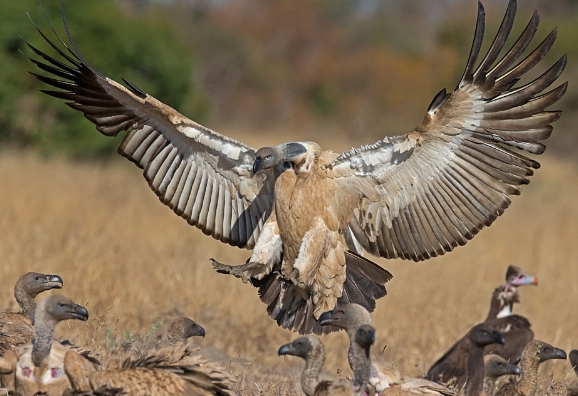
White-backed Vulture
Critically Endangered
One of Africa’s most widespread vultures, now experiencing rapid declines due to poisoning, habitat loss, and wildlife crime.
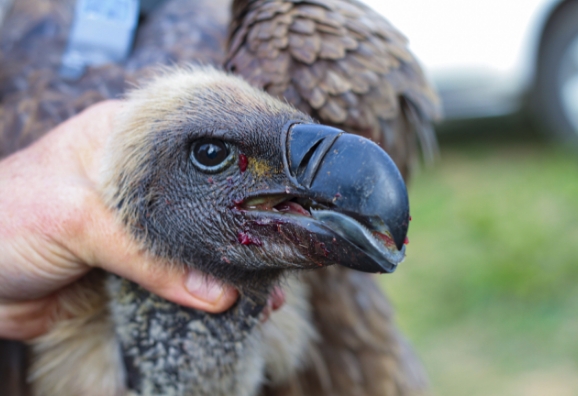
Cape Vulture
Endangered
Southern Africa’s only endemic vulture species, with important breeding colonies in the Eastern Cape and Limpopo provinces.
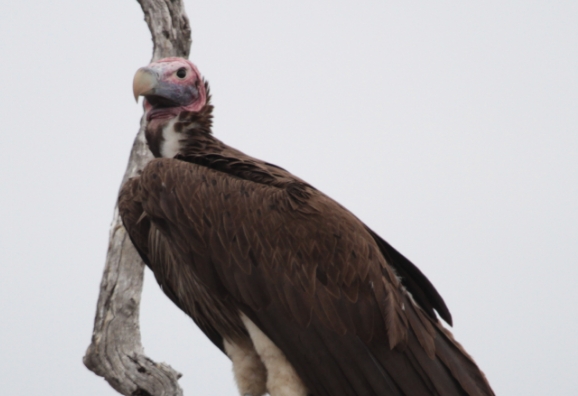
Lappet-faced Vulture
Endangered
One of Africa’s largest vultures, requiring vast territories and highly sensitive to disturbance and poisoning.
Hooded Vulture
Critically Endangered
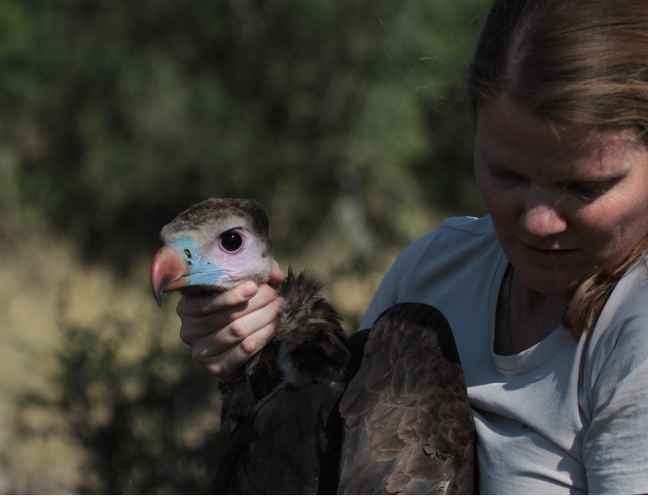
A small scavenging vulture that has declined dramatically across Africa due to poisoning, persecution, and the illegal trade in wildlife parts.
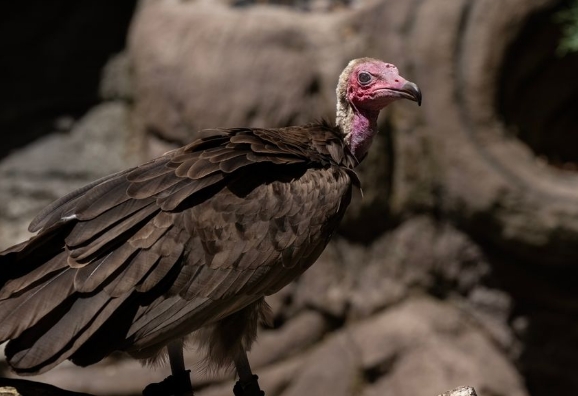
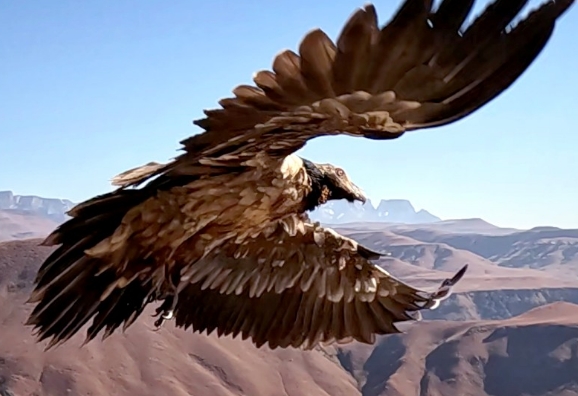
Bearded Vulture
Near Threatened
With fewer than 100 breeding pairs remaining in the Drakensberg, this species is one of southern Africa’s most threatened birds of prey.
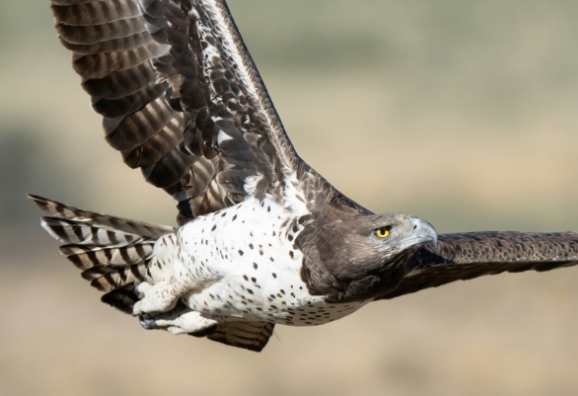
Martial Eagle
Endangered
Africa’s largest eagle, facing ongoing declines due to habitat loss, persecution, electrocution, and poisoning.
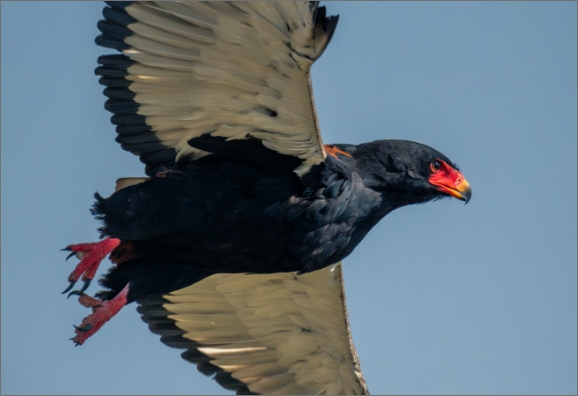
Bateleur
Endangered
A striking and highly mobile raptor increasingly threatened by poisoning and collisions with power infrastructure.
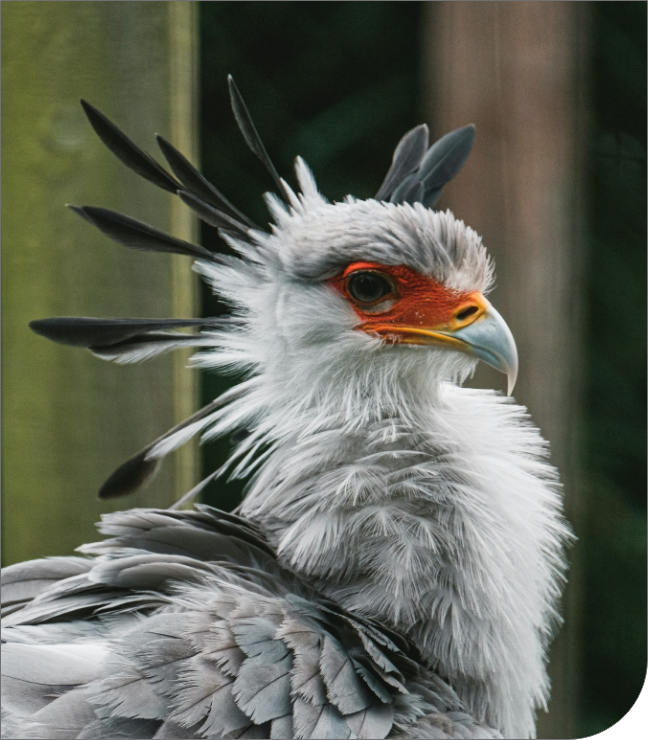
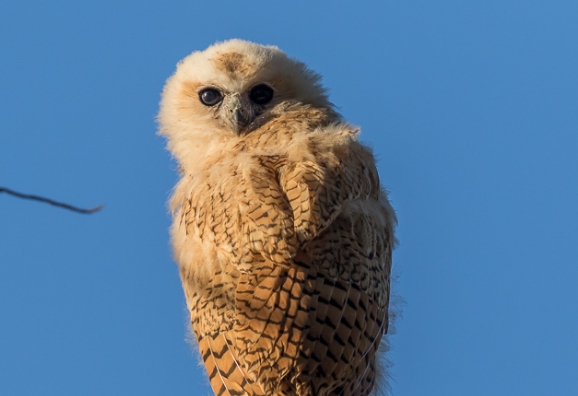
We also work with owls, hawks, Secretarybirds, and other raptor species across southern Africa
BIRDS OF PREY
THE THREATS
BIRDS OF PREY FACE
Birds of prey face increasing
pressure across Africa, including:
Wildlife poisoning
Is the leading cause of death for
many vulture species.
Electrocution
& collisions
With power lines and other
infrastructure.
Habitat loss
& disturbance
Reduce nesting and foraging
opportunities.
Persecution
Linked to conflict with livestock
and game farming.
Slow
reproductive
rates
Make population recovery
particularly difficult.
BIRDS OF PREY
HOW WE PROTECT
BIRDS OF PREY
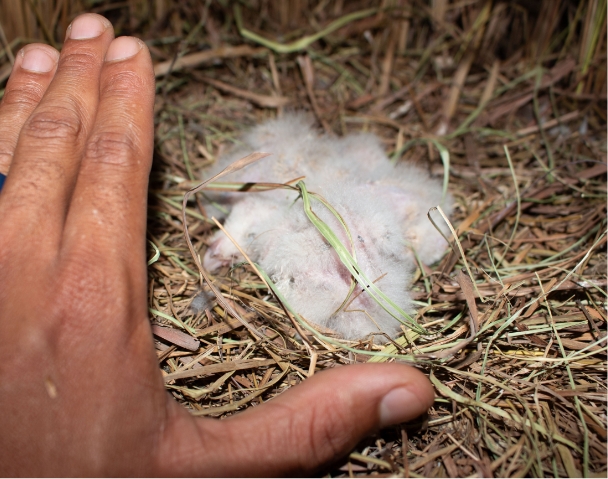
Monitoring populations
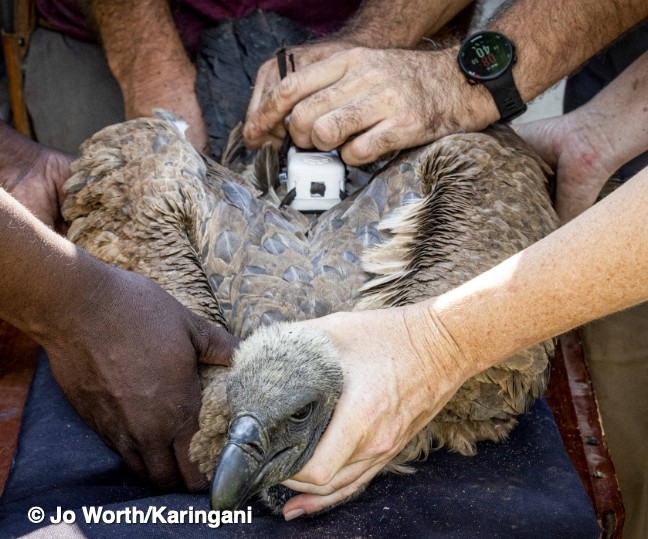
Understanding how birds of prey are faring is the foundation of effective conservation. We monitor breeding colonies, track survival, and use satellite technology to understand movement patterns, identify emerging threats, and guide conservation action across southern Africa.
Responding to wildlife poisoning
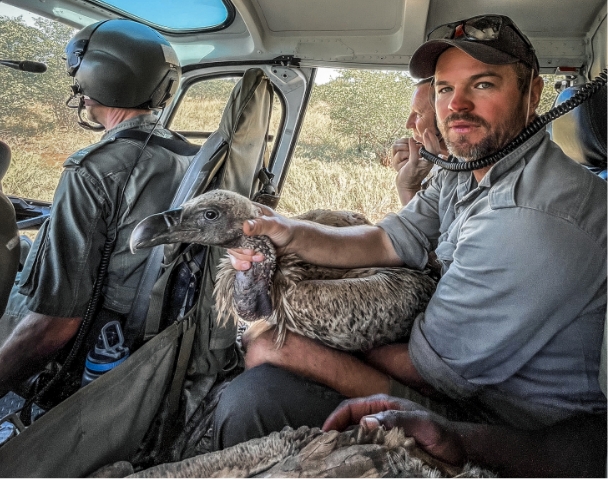
Wildlife poisoning remains the greatest threat to Africa’s vultures. We pioneered poisoning response protocols in South Africa, equipping rangers and conservation practitioners to respond quickly when incidents occur. Through our specialist Vulture Ambulance and veterinary partnerships, we can provide life-saving treatment before birds are transferred for rehabilitation.
Creating safe landscapes
Vultures need safe places to feed, breed, and move. We work with landowners, protected areas, and communities to establish Vulture Safe Zones that reduce poisoning risk and protect important breeding and foraging habitats.
Making infrastructure safer
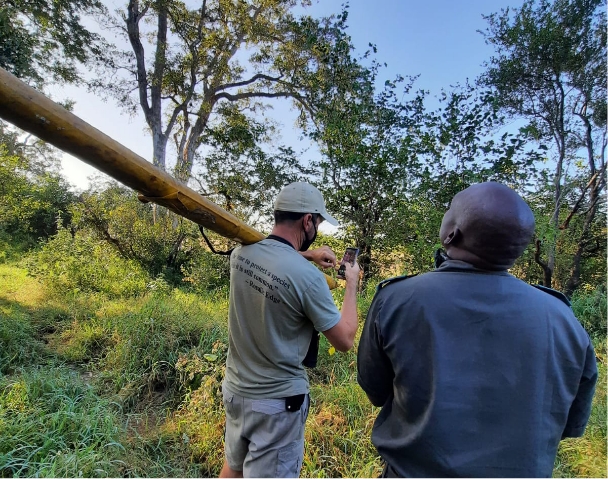
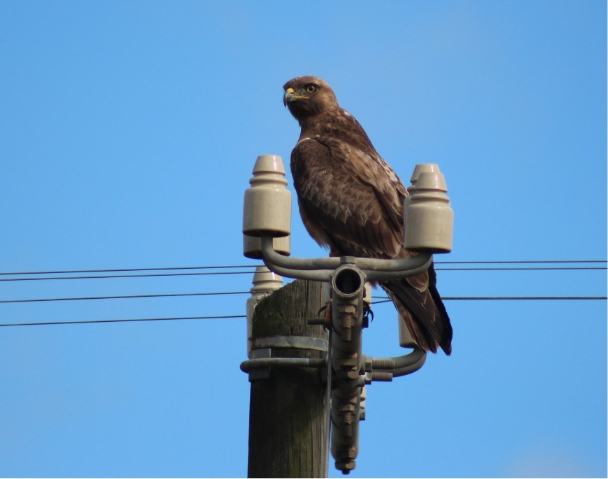
Power infrastructure can pose a significant threat to large birds of prey. We work with energy providers and infrastructure specialists to identify collision and electrocution hotspots, retrofit dangerous infrastructure, and develop practical solutions that protect both wildlife and essential services.
Rehabilitating and releasing birds
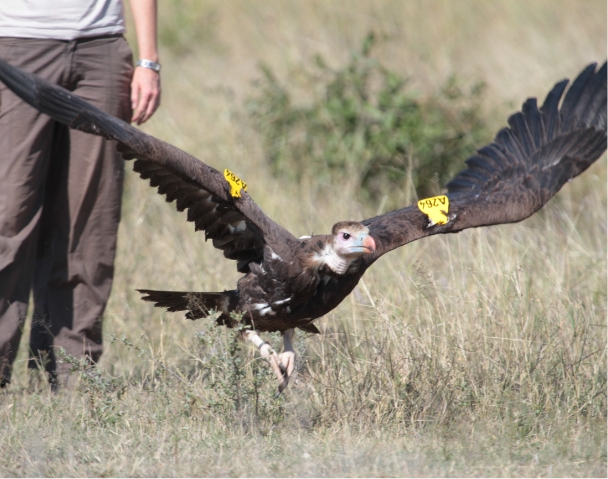
Together with veterinary and rehabilitation partners, we rescue, treat, and release injured birds back into the wild. Satellite tracking following release helps us monitor survival and improve future conservation interventions.
Building conservation leaders
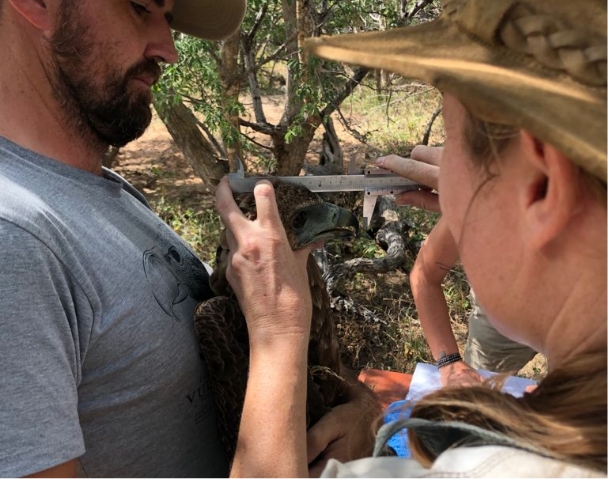
Protecting birds of prey requires skilled conservationists. Through internships, field training, and practical mentoring, we equip emerging conservation practitioners with the skills needed to monitor raptors, respond to poisoning incidents, and lead conservation across Africa.
BIRDS OF PREY
SAVING 84 VULTURES IN
A RACE AGAINST TIME
We saved 84 vultures from one of southern Africa’s largest recorded wildlife poisoning incidents because we detected the threat early and acted before it was too late
When poachers laced an elephant carcass with highly toxic poison in the Kruger National Park, more than 120 vultures had already died. Our wildlife poisoning detection system raised the alarm, and we immediately mobilised one of the largest coordinated wildlife rescue operations ever undertaken in the region. Together with SANParks, veterinarians, rehabilitation specialists, helicopter crews, and other conservation partners, we treated poisoned vultures in the field before flying them to safety for intensive care.
Within weeks, we released the surviving vultures back into the wild. Their rescue showed what we can achieve when we combine science, technology, specialist expertise, and strong partnerships, and when every minute counts.
Wildlife poisoning remains one of the greatest threats to vultures and other birds of prey across Africa. That is why we continue to strengthen our early-warning systems, expand our rapid-response capacity, train rangers and field teams, and work alongside partners to prevent poisoning before it happens. Every bird we save helps keep Africa’s skies filled with these remarkable scavengers and preserves the vital ecological role they play in keeping ecosystems healthy.
BIRDS OF PREY
GET INVOLVED
Whether you choose to donate, partner with us,
or follow our work, you’ll be helping us respond
to wildlife emergencies, protect threatened
species, and build a safer future for Africa’s
birds of prey.