ZAMBEZI
TO MALAWI

STRATEGIC CONSERVATION
LANDSCAPE

Protecting the landscapes that connect the Zambezi Delta to the
mountains of Malawi

We are expanding our work across the Zambezi Delta–Malawi Landscape, building partnerships to restore habitats, conserve wildlife, and strengthen the ecosystems that support communities across this remarkable region.

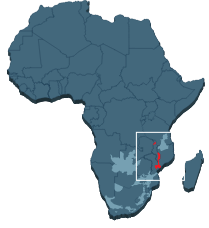
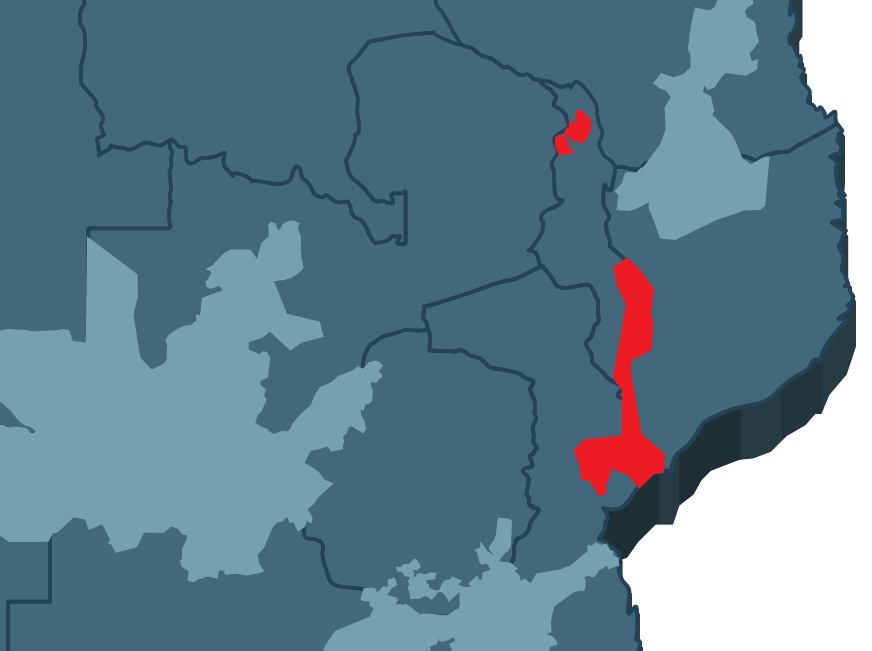
3D map of the Zambezi Delta to Malawi Strategic Conservation Landscape
Locator map showing the Zambezi Delta to Malawi Strategic Conservation Landscape in Africa

Linking habitats,
sustaining life

Stretching from the Zambezi Valley towards Malawi, this landscape crosses a vast region of rivers, wetlands, woodlands and savannahs in south-central Africa

ZAMBEZI TO MALAWI

RESTORING A
SHARED FUTURE

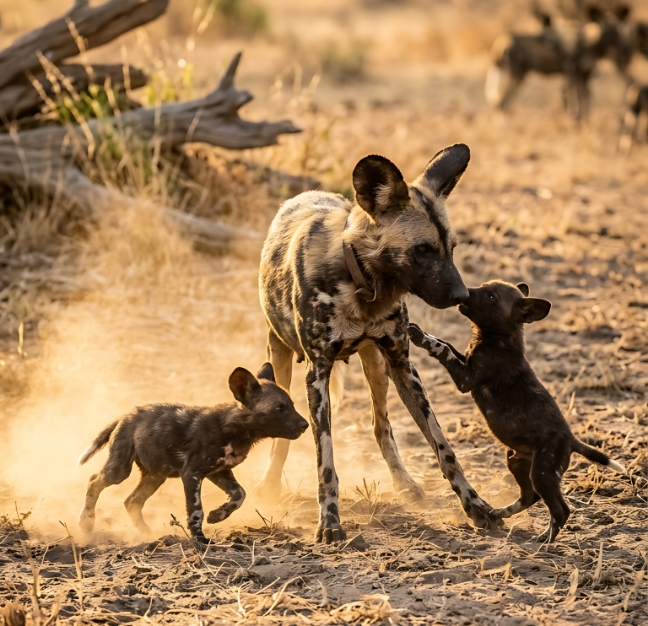
In the grasslands of Gorongosa National Park, the birth of a litter of African Wild Dog pups marked a milestone few thought possible. Decades of conflict and habitat loss had driven the species from much of the region, leaving large areas of suitable habitat empty.

Through carefully planned reintroductions supported by our African Wild Dog metapopulation programme, the first packs began to establish themselves once again. Within a year, the population had grown rapidly, and the dogs were beginning to move beyond the boundaries of the park, reclaiming parts of a landscape they had once occupied.

Their return is a reminder of what restoration can achieve. Across the Zambezi Delta–Malawi Landscape, restoring habitats, reconnecting ecosystems, and supporting local stewardship are helping create the conditions for wildlife and communities to thrive together once more.

As we expand our work across the landscape, we are building partnerships that support the long-term recovery of species and ecosystems across southeastern Africa.

African wild dog with pups

ZAMBEZI TO MALAWI

WHY THE ZAMBEZI
DELTA–MALAWI
MATTERS

Where rivers, wetlands, forests, and
mountains sustain wildlife and
communities

Stretching from the floodplains of the Zambezi Delta in Mozambique to the mountains and wetlands of southern Malawi, the Zambezi Delta–Malawi Strategic Conservation Landscape connects some of southeastern Africa’s most important and under-protected ecosystems. Wetlands, mangroves, savannahs, forests, rivers, and montane habitats combine to form a vital ecological corridor that supports exceptional wildlife while strengthening climate resilience across the region.

The landscape is home to an extraordinary diversity of species, including African Wild Dogs, lions, leopards, cheetahs, vultures, cranes, reptiles, amphibians, and highly localised endemic species such as Chapman’s Pygmy Chameleon. Together, these species reflect the remarkable ecological richness of this landscape.


These ecosystems are equally important for people. The wetlands of the Zambezi Delta support fisheries, agriculture, and livelihoods, while the forests of southern Malawi capture and release water that communities depend on downstream. Protecting and restoring these natural systems strengthens resilience for both people and nature as climate pressures continue to grow.

Species we protect

Carnivores icon

Carnivores

Birds of prey icon

Birds of
Prey

Cranes icon

Cranes

Amphibians icon

Threatened
Endemic Species

ZAMBEZI TO MALAWI

CONSERVATION
IN ACTION

As we expand our work across the Zambezi Delta–Malawi Landscape, we are building partnerships that support long-term conservation across one of southeastern Africa’s most important ecological corridors. Working with governments, conservation organisations, researchers, protected area managers, and local communities, we are identifying opportunities where our expertise can help restore ecosystems, conserve wildlife, and strengthen resilient landscapes for people and nature alike.

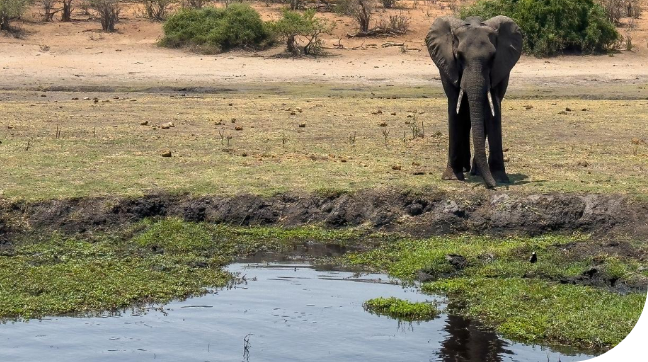
Elephant in a wetland

Supporting habitat restoration

Healthy ecosystems are the foundation of thriving wildlife populations and resilient communities. We are exploring opportunities to restore forests, wetlands, mangroves, and other critical habitats that provide refuge for wildlife, strengthen climate resilience, and sustain the ecosystem services on which people depend. By restoring ecological function, we aim to help create healthier landscapes that support both biodiversity and local livelihoods.

Contributing species conservation
expertise

The landscape supports a remarkable diversity of wildlife, including African Wild Dogs, carnivores, vultures, cranes, reptiles, and amphibians. We are contributing our specialist expertise in species conservation to support efforts that secure, recover, and strengthen wildlife populations across the region while sharing knowledge and building local conservation capacity.

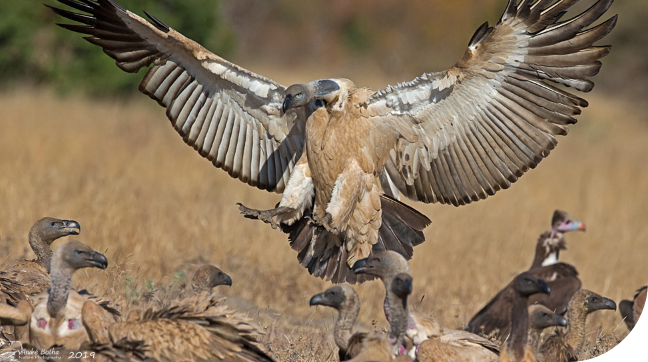
Vulture landing with wings spread
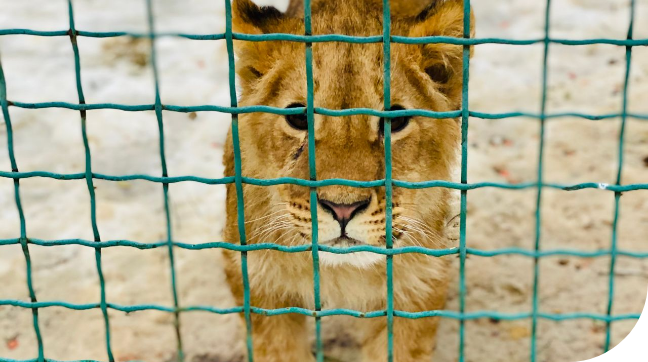
Leopard behind a wire snare fence

Reducing threats to wildlife

Poaching, snaring, poisoning, habitat loss, and illegal wildlife trade continue to threaten many of the landscape’s most important species. We are identifying opportunities to support initiatives that reduce these pressures, improve habitat security, and create safer conditions for wildlife across the landscape.

Building strong conservation
partnerships

Conservation at this scale depends on collaboration. We partner with governments, conservation organisations, researchers, protected area managers and local communities to strengthen conservation across Africa. Through our partnership with African Parks, we support Cheetah and African Wild Dog recovery and management in Majete and Liwonde National Parks in Malawi, including reintroductions and relocations to maintain healthy populations. We also use GPS-tracked vultures as part of our Eye in the Sky system, helping rangers detect and respond to poaching and wildlife poisoning.

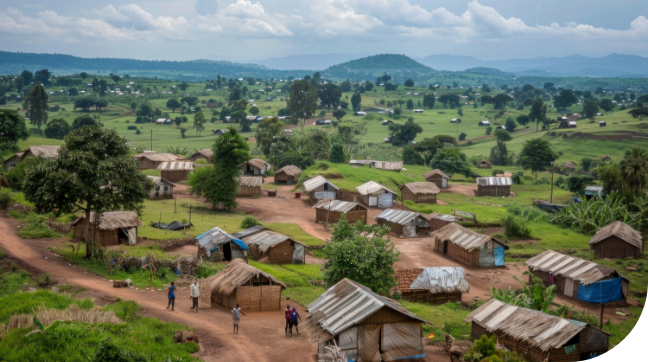
Rural village surrounded by trees

ZAMBEZI TO MALAWI

OUR CONSERVATION
APPROACHES

Specialist expertise. Greater conservation impact.

Many of the conservation challenges facing the Zambezi Delta to Malawi Landscape are shared across our eight strategic conservation landscapes.

Our Strategic Conservation Approaches bring together the expertise, innovation, partnerships, and tools needed to address these challenges at scale. By combining specialist knowledge with on-the-ground implementation, we apply these approaches across our Strategic Conservation Landscapes and in other priority areas where we can deliver strategic conservation outcomes.

Sustainable finance icon

Securing the long-term investment and innovative financing needed to sustain conservation, ecosystem restoration and community stewardship.

Wildlife infrastructure icon

Reducing the impacts of infrastructure on wildlife and nature while promoting development that is better planned, more responsible and compatible with conservation.

Biodiversity business icon

Working with businesses to integrate nature into decision-making, reduce environmental impacts, and support more sustainable business practices.

People in conservation icon

Supporting communities, farmers, landowners and local partners to strengthen stewardship, sustainable livelihoods and coexistence between people and wildlife.

Wildlife in trade icon

Combating wildlife crime and illegal trade through research, intelligence, partnerships, policy engagement and support to law-enforcement agencies.

Conservation tools and technology icon

Using science, technology and innovation to detect threats, monitor wildlife, guide decisions and improve conservation responses across vast and complex landscapes.

ZAMBEZI TO MALAWI

GET INVOLVED

Support conservation in
the Zambezi Delta to
Malawi

Your support helps us restore habitats, conserve wildlife, and strengthen one of southeastern Africa’s most important ecological corridors for the benefit of both people and nature.

Partner with us

Conservation at this scale depends on collaboration. We welcome partnerships with organisations, governments, researchers, communities, and businesses committed to protecting the Zambezi Delta–Malawi Landscape.

Stay connected

Follow our work across the Zambezi Delta–Malawi Landscape and discover how restoration and partnership are helping create a brighter future for wildlife and communities.